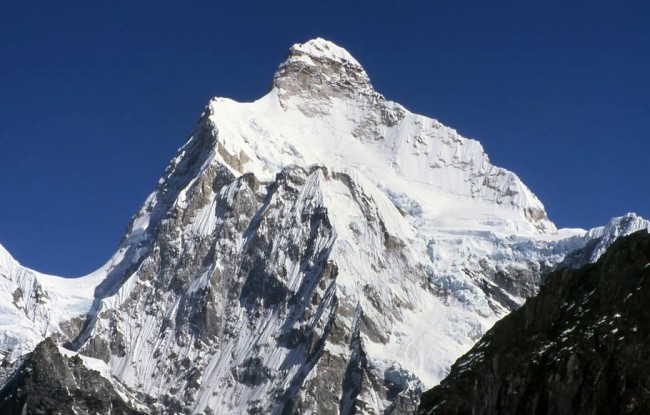
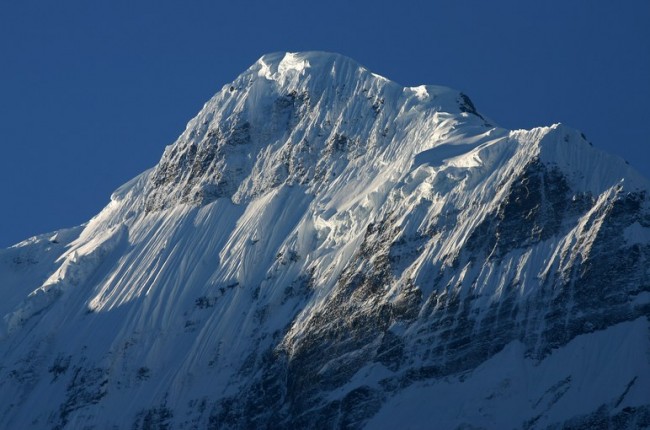
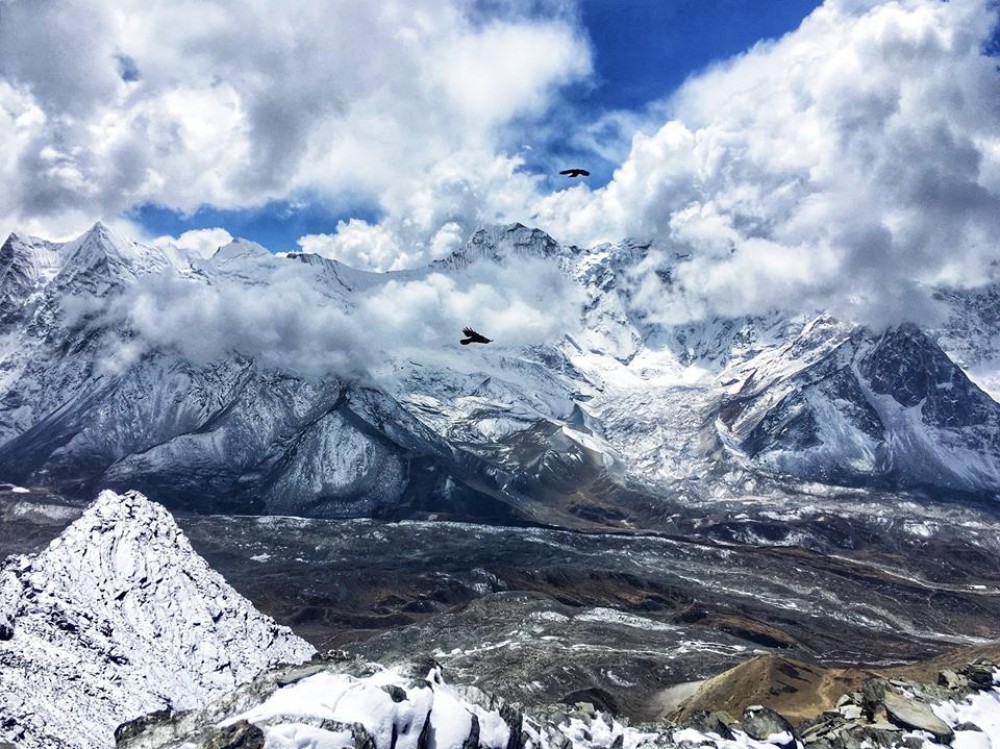
Chamar Peak (7,187 meters) is a challenging and adventurous peak located in the remote and rugged region of the Annapurna Conservation Area in Nepal. As one of the lesser-known trekking peaks, Chamar offers climbers the chance to experience Nepal's stunning mountain landscapes away from the crowds, while still being part of the famous Annapurna Range.
Chamar Peak (7,187 meters) is a challenging and adventurous peak located in the remote and rugged region of the Annapurna Conservation Area in Nepal. As one of the lesser-known trekking peaks, Chamar offers climbers the chance to experience Nepal's stunning mountain landscapes away from the crowds, while still being part of the famous Annapurna Range.
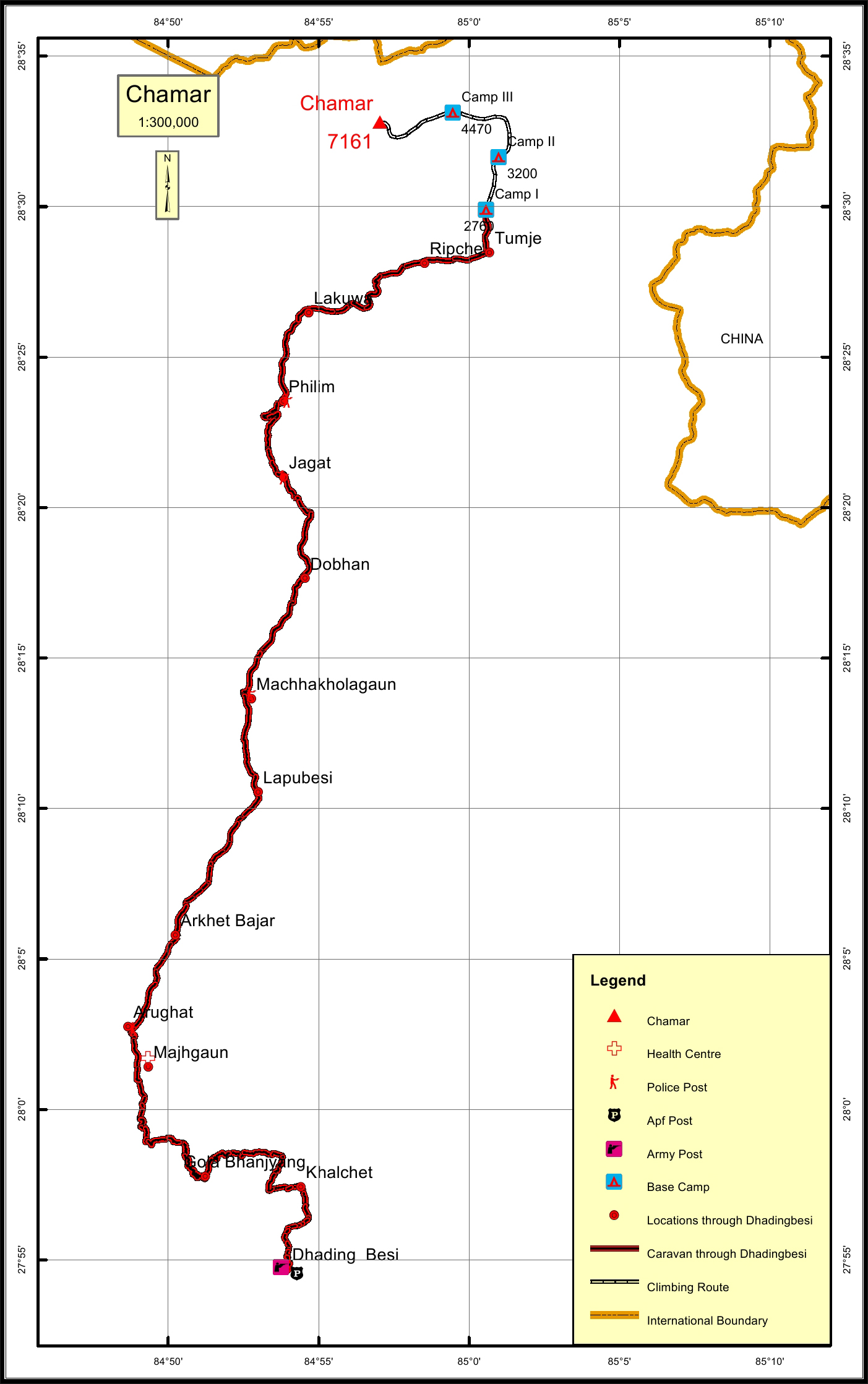
Chamar Peak is situated in the northern part of the Annapurna region, near the border of the Mustang District. The peak is accessible via the popular trekking route to Annapurna Base Camp (ABC) or through Jomsom. The trek to Chamar Peak involves a combination of hiking through scenic villages, rhododendron forests, and alpine meadows before reaching the high-altitude base camp, which serves as the starting point for the climb.
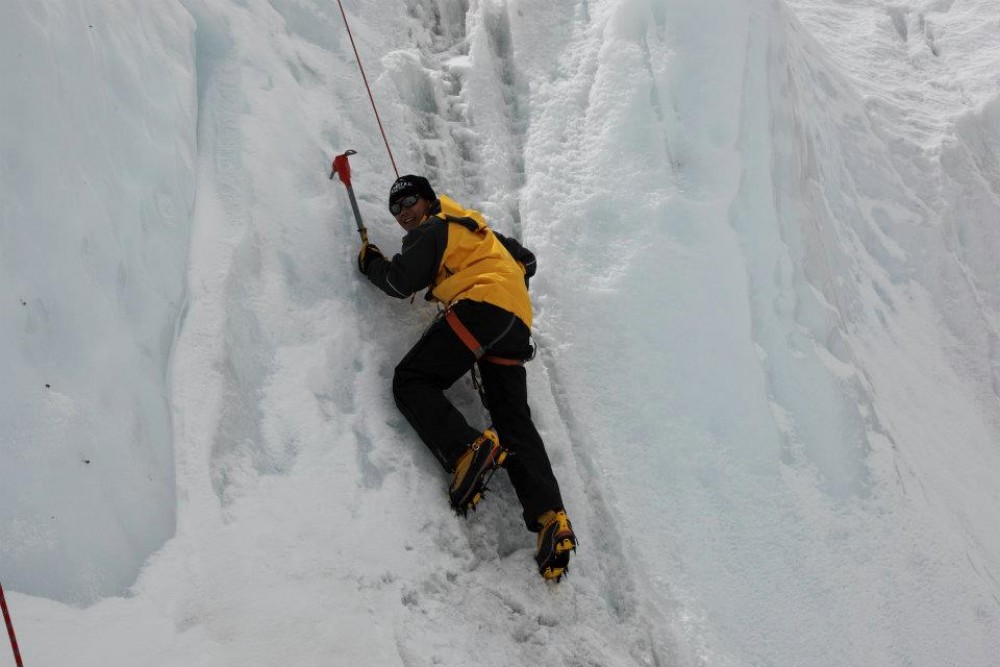
Chamar Peak is categorized as a technical climbing peak and is best suited for experienced trekkers and climbers who have prior experience in high-altitude mountaineering. The climb involves steep rock faces, mixed snow and ice conditions, and requires proper use of technical gear such as ice axes, crampons, and ropes. Climbers need to have solid mountaineering skills and be physically fit to tackle the harsh conditions and altitude.
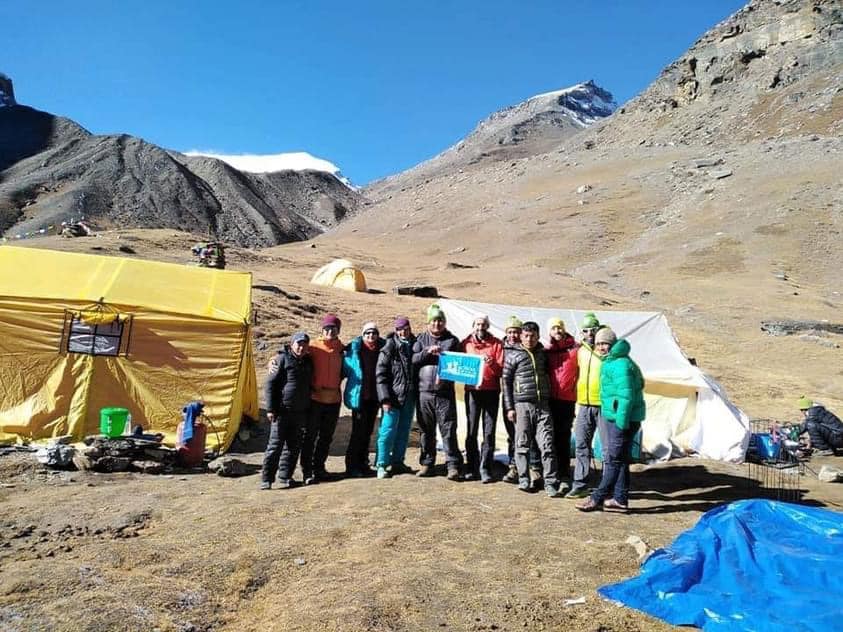
The journey begins with a scenic trek from Pokhara to Jomsom, which is the gateway to Mustang. From Jomsom, climbers continue to Kagbeni and then into the more remote parts of the Annapurna region. After several days of trekking, the base camp is set up at an altitude of around 5,300 meters, where climbers begin their preparations for the summit.
The ascent of Chamar Peak involves a mix of snow and ice climbing, along with technical rock climbing at certain sections. The summit day is physically demanding, with climbers having to navigate steep slopes and potentially hazardous weather conditions. The final push to the summit is often made during the early morning hours to avoid adverse weather.
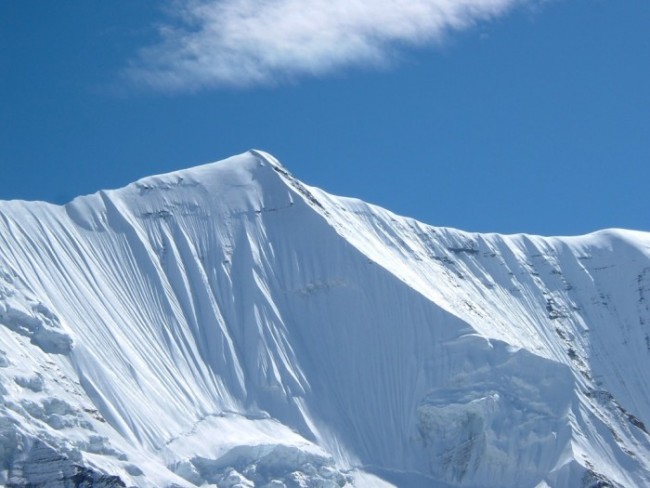
While not as technically difficult as some of the higher 8,000-meter peaks, Chamar presents significant challenges, including crevasses, snowfields, and steep ridgelines, requiring a high level of skill and determination.
One of the main attractions of Chamar Peak climbing is the breathtaking scenery. The trek to base camp and the climb itself offer spectacular views of some of the world’s highest mountains, including Annapurna I, Dhaulagiri, Machapuchare, and Nilgiri. The Annapurna region is known for its unique biodiversity, and climbers will pass through remote villages, terraced fields, and monasteries, experiencing the rich culture of the indigenous people.
The ideal time to climb Chamar Peak is during the pre-monsoon (spring) season, from March to May, or the post-monsoon (autumn) season, from September to November. These periods offer the best weather and climbing conditions, with stable weather and clear skies.
Climbers need to obtain several permits before attempting Chamar Peak:
Climbing Chamar Peak is a rewarding challenge for those seeking an off-the-beaten-path mountaineering experience in Nepal. The peak provides a combination of technical climbing and stunning views, making it a desirable goal for climbers looking to test their skills in a remote, beautiful environment. While the climb is not as heavily trafficked as other peaks in the region, it remains a formidable and unforgettable adventure for those who take on the challenge.


Enjoy the popular trekking and tour packages in Nepal Himalayas.















© Copyright 2010 - 2026 Actual Adventure Pvt Ltd Developed By: Xenatech Nepal