Nestled in the subtropical lowlands of southern Nepal, Chitwan National Park stands as a haven for wildlife enthusiasts, nature lovers, and adventure seekers. Established in 1973 as Nepal's first national park and recognized as a UNESCO World Heritage Site in 1984, the park is celebrated for its diverse ecosystem, abundant wildlife, and lush green landscapes. Among the various activities the park offers, the Chitwan Jeep Safari is one of the most popular and exhilarating ways to explore this natural treasure.
Nestled in the subtropical lowlands of southern Nepal, Chitwan National Park stands as a haven for wildlife enthusiasts, nature lovers, and adventure seekers. Established in 1973 as Nepal's first national park and recognized as a UNESCO World Heritage Site in 1984, the park is celebrated for its diverse ecosystem, abundant wildlife, and lush green landscapes. Among the various activities the park offers, the Chitwan Jeep Safari is one of the most popular and exhilarating ways to explore this natural treasure.
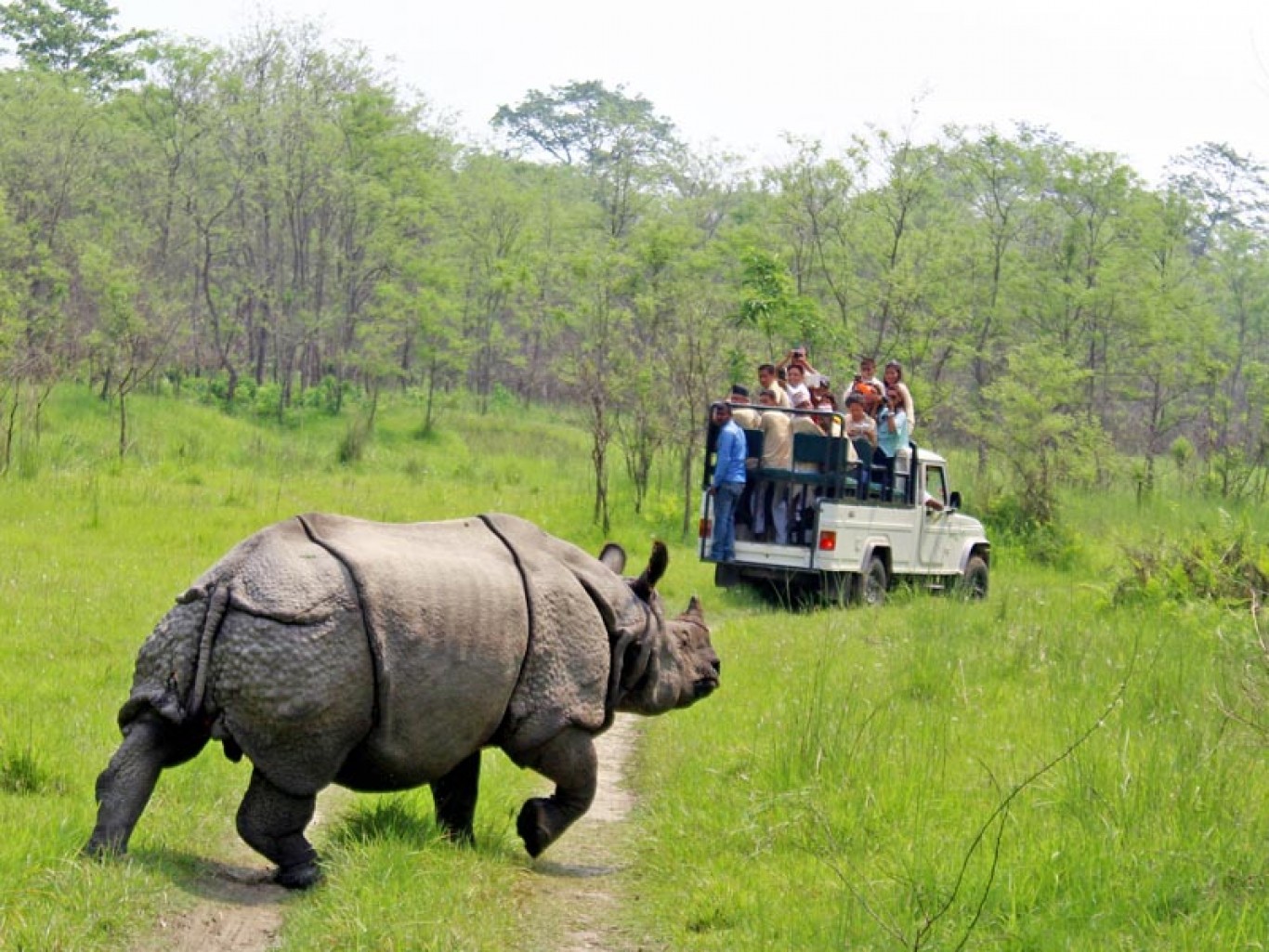
The Chitwan Jeep Safari is a guided wildlife exploration activity that allows visitors to venture deep into the heart of Chitwan National Park in the comfort and safety of a four-wheel-drive vehicle. Unlike walking or canoeing, a jeep safari enables you to cover larger areas of the park in a relatively short time while increasing the chances of spotting the region’s elusive wildlife. From majestic Royal Bengal Tigers and endangered one-horned rhinoceroses to wild elephants, crocodiles, and an array of bird species, the safari delivers an unforgettable experience.
With experienced guides and naturalists leading the way, a jeep safari offers a thrilling yet educational adventure that combines comfort with immersion in nature. Whether you are a seasoned wildlife photographer, a curious traveler, or someone simply looking for a taste of Nepal’s incredible biodiversity, a Chitwan Jeep Safari promises something special for everyone.
Cover More Ground
Chitwan National Park spans a vast area of 952.63 square kilometers. A jeep safari allows you to traverse large sections of the park, giving you access to areas where wildlife sightings are more frequent.
Comfort and Safety
Jeeps are designed for comfort and safety, making the safari suitable for families, older travelers, and children. It provides a secure vantage point to observe wildlife without disturbing the natural environment.
Higher Chances of Wildlife Sightings
Traveling through dense forests, open grasslands, and riverbanks, a jeep safari increases your chances of spotting some of the park’s most iconic wildlife, such as:
One-Horned Rhinoceros: The park is home to a significant population of this endangered species.
Royal Bengal Tiger: Though elusive, lucky visitors may catch a glimpse of this majestic predator.
Sloth Bears, Leopards, and Wild Boars: Frequently seen during safaris.
Gharial and Mugger Crocodiles: Common along riverbanks.
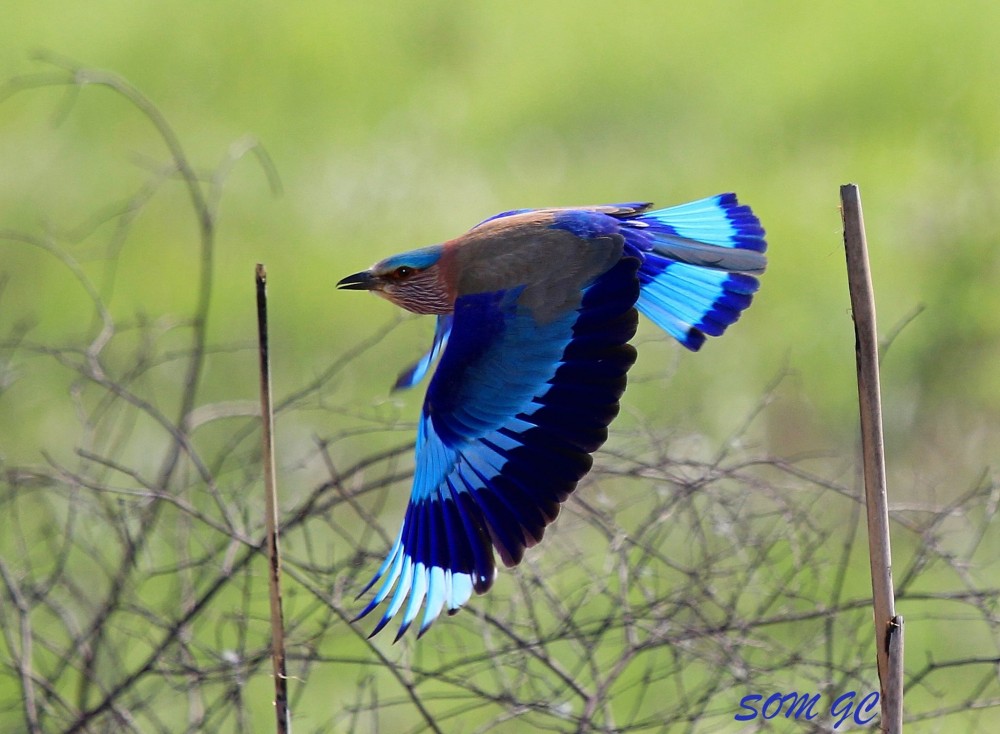
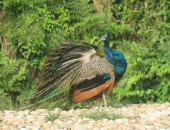
Bird Species: Over 500 species of birds, including peacocks, hornbills, and kingfishers, can be spotted.
Guided Experience
Professional naturalists and experienced guides accompany you on the jeep safari. They provide valuable insights into the park’s flora, fauna, and conservation efforts.
Ideal for Photographers
The open design of safari jeeps offers unobstructed views, making it easier for wildlife photographers to capture stunning shots of animals and landscapes.
The best time to go on a jeep safari in Chitwan National Park is during the dry season, which runs from October to March. During this period:
The weather is pleasant and dry, making it easier to traverse the park.
Vegetation is less dense, improving visibility for wildlife spotting.
Animals tend to congregate near water sources, increasing chances of sightings.
March to May is also a good time, but temperatures can rise significantly during the day. The monsoon season, from June to September, is less ideal due to heavy rainfall, flooding, and muddy trails.
Jeep safaris in Chitwan National Park are typically conducted in two main shifts: morning and afternoon. The duration and routes may vary based on the park’s regulations, safari packages, and your preferences.
Morning Safari (6:00 AM – 10:00 AM)
Mornings are an excellent time for wildlife spotting, as animals are active and temperatures are cooler. You might catch predators such as tigers or leopards returning to their dens after nocturnal hunts.
Afternoon Safari (2:00 PM – 6:00 PM)
During the afternoon, animals venture out of the shaded forest to graze or drink water. This is also a great time for bird watching and capturing the park’s scenic beauty under golden light.
Full-Day Safari
For those wanting a more in-depth experience, full-day safaris are available. These extended journeys offer a greater chance of encountering rare wildlife and exploring remote corners of the park.
Popular jeep safari routes include trips to Sauraha, Kasarah, and the Tiger Tops area, each with its own unique landscapes and wildlife attractions.
Wildlife:
Mammals: One-horned rhinoceros, Royal Bengal tigers, wild elephants, sloth bears, leopards, spotted deer, barking deer, wild boars, and langurs.
Reptiles: Gharial crocodiles, mugger crocodiles, pythons, and monitor lizards.
Birds: Peacocks, hornbills, kingfishers, woodpeckers, and migratory birds (winter season).
Flora:
The park is characterized by diverse vegetation, including dense Sal forests, open grasslands, and riverine forests. The unique biodiversity supports a wide range of animals and birds.
Book in Advance: Safaris are popular, especially during peak seasons, so secure your booking early.
Wear Neutral Clothing: Avoid bright colors to blend in with the environment and not scare away wildlife.
Carry Essentials: Bring sunscreen, sunglasses, a hat, insect repellent, and a refillable water bottle.
Respect Wildlife: Maintain silence and follow your guide’s instructions to avoid disturbing animals.
Pack Binoculars and Cameras: Enhance your wildlife spotting experience and capture memorable moments.
Stay Patient: Wildlife sightings depend on luck and patience; remain observant and enjoy the journey.
The cost of a jeep safari varies depending on the duration, group size, and package inclusions. On average:
Half-Day Safari: $25 to $50 per person (excluding park entry fees).
Full-Day Safari: $100 to $150 per person.
Additional fees may apply for park entry permits, guide charges, and private jeep rentals. Group tours tend to be more affordable than private safaris.
The Chitwan Jeep Safari offers an exceptional opportunity to explore the breathtaking beauty and incredible biodiversity of Chitwan National Park. From the thrill of spotting a Royal Bengal Tiger to observing the gentle one-horned rhinoceros grazing in the wild, the safari guarantees memories that will last a lifetime. Combining adventure, education, and comfort, the jeep safari is a must-do activity for anyone visiting Nepal.
Whether you are a wildlife enthusiast, a photographer, or simply a traveler in search of unforgettable experiences, the Chitwan Jeep Safari opens the door to a world of natural wonder. Plan your trip, prepare for adventure, and immerse yourself in the untamed beauty of one of Nepal’s most treasured national parks.

Enjoy the popular trekking and tour packages in Nepal Himalayas.














© Copyright 2010 - 2026 Actual Adventure Pvt Ltd Developed By: Xenatech Nepal