
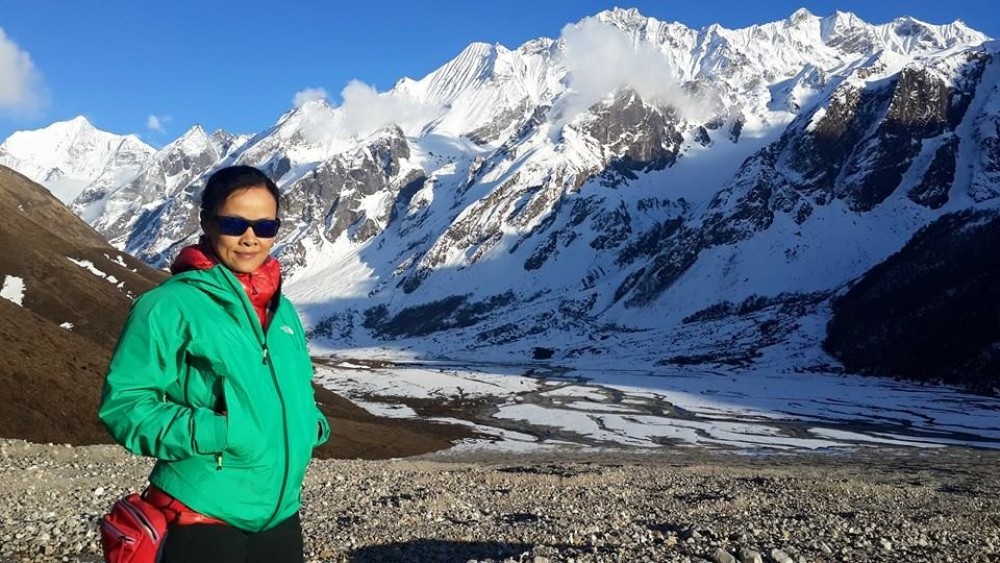
The Langtang Valley starts just north of Kathmandu, close to the border with Tibet. To reach there, you need to drive for 5-6 hours from Kathmandu to Syabrubeshi and trek for two days with an overnight stay in Syabrubeshi and Lama Hotel. Langtang Village is thought to have been first settled by ethnic Tibetans in approximately the 15th century. Local legends state that a traveling Buddhist Lama was chasing an escaped yak when he spotted the fertile valley. For most of its history, Langtang Village depended on subsistence agriculture. The valley is dominated by Langtang Lirung (7246m), the highest peak in the area. This is a superb introduction to trekking in Nepal among some of the most beautiful scenery in the whole country.
The Langtang Valley Trek is one of Nepal’s most spectacular and accessible Himalayan adventures, offering breathtaking views of snow-capped peaks, lush forests, glacial valleys, and rich Tamang culture. Just a few hours from Kathmandu, this trek is ideal for both first-time trekkers and experienced hikers seeking a serene yet adventurous journey. Langtang Valley, also known as Lamtang Valley, is a Himalayan valley in the mountains of north-central Nepal, known for its trekking routes and natural environment.
The Langtang Valley starts just north of Kathmandu, close to the border with Tibet. To reach there, you need to drive for 5-6 hours from Kathmandu to Syabrubeshi and trek for two days with an overnight stay in Syabrubeshi and Lama Hotel.
Langtang Village is thought to have been first settled by ethnic Tibetans in approximately the 15th century. Local legends state that a traveling Buddhist Lama was chasing an escaped yak when he spotted the fertile valley. For most of its history, Langtang Village depended on subsistence agriculture.
The valley is dominated by Langtang Lirung (7246m), the highest peak in the area. This is a superb introduction to trekking in Nepal among some of the most beautiful scenery in the whole country.
The Langtang Valley trek, from Syaphrubesi to Kyanjin Gompa and back, is known to be the third most popular trek in Nepal, after the Annapurna Circuit and Everest Base Camp (EBC) treks. There are several treks that go through the Langtang valley and link it to nearby valleys, like the Helambu valley.
In most of these treks, one can stay at local 'tea-houses', which are run by locals in nearly every village in the valley, and where one gets basic lodging and food. There are several mountain-climbing options available too in the Langtang valley, ranging from relatively easy-to-climb peaks around 5,000 m high, such as Kyanjin Ri and Tsergo Ri, to technically challenging peaks, such as Dorje Lhakpa and Langtang Lirung.
The valley of Langtang is a concentration of fauna and flora with many animals such as the red panda or the snow panther. The national park is a protected area. Nature lovers, this trek is a mix of greenery and rock.
To explore Langtang Valley, Actual Adventure Pvt. Ltd has a Langtang Valley trek Package with a well-managed itinerary and safety for our customers throughout the journey.
Langtang region gives you different experience of trekking in each seasons. Each season has different weather conditions. Langtang region has mainly four season’s autumn, spring, Monsoon and winter. The best time to trek to Langtang is during Autumn and Spring. With proper itinerary and gears this region can also be visited during other seasons as well.
Here’s what Langtang region receives and offers during different seasons of a year.
Nepal receives numbers of tourists from all over the world during Autumn being one of the peak tourist seasons. Autumn Season offers the best weather to visit Langtang Region. During Autumn the weather is warm and offers stunning views under blue sky.
The temperature ranges from 10°C-15°C (50°F-59°F) during the day. The mornings and nights are a bit colder than the days. This season gives you the most favorable weather for trekking with most stunning and sharpest views of the beautiful valleys and Himalayas.
Spring is the second best season to go trekking in the Langtang Region. During spring the day temperature ranges from 10°C-20°C (50°F-68°F). The days are long and warm during spring and you will have no rush reaching towards your destination. Moreover, you will witness the beautiful blooming flowers along the way during this season. You don’t need to worry about rain or snow during your trek to Langtang in the spring season.
Summer season falls during the months of June, July and August. As summer is the hottest season of the year and also beginning of the Monsoon season trekking is not very suitable during these months. The roads might be blocked due to mud slides and there are chances of heavy rainfall which makes the trial slippery and uncomfortable with leeches, bugs and worms. On the lighter side you can enjoy the greenery and rain washed surrounding of the Langtang region. Though sometimes the fog might interrupt the views but it gets clear after rainfall.
The Langtang region gets extremely cold during winter. Winter is the coldest season of the year and it fall during the month of December to February. The temperature drops to minus degree Celsius during the night and day temperature ranges from 6°C-9°C (42.8°F-48.2°F). Furthermore, the heavy snow fall, strong winds and harsh weather condition may create hazards during the trek. However, winter trek in Langtang region can be an option for peace loving and challenge seeking trekkers.
Langtang Valley Trek, one of the pleasant walks in the Himalayas, takes you to the Valley of Glacier in the beautiful Himalaya region of Langtang. During the journey you trek through the alpine meadows and yak pastures, majestic waterfalls, and the magnificent forests of the Langtang Valley. The pleasant walk will be supported by panoramic views of Langtang-Ri, Langsisa RI, Langtang Himal, Ganjala Peak. Reaching at the ultimate destination, the Langtang Valley, you experience the unique cultural practice influenced by Tibetan Buddhism. In closely observing the landmarks of Langtang region: panoramic Himalayan views, diverse flora and fauna, innocent people, Tibetan influenced culture, and magnificent monasteries you attain unbeatable trekking experience. The fantastic trip also covers popular landmarks of Kathmandu.
Langtang Valley trek offers you peaceful trekking routes near from Kathmandu. This trek can be a best trek for trekkers willing to skip the crowd of the popular trekking routes. Nevertheless, the Langtang Valley Trek is equally rewarding like the most popular trekking trials of Nepal. Along with the stunning views of the mountains and glaciers Langtang Valley Trek also gives you a chance to explore the old and intact traditional cultures of the Tamang People.
You will need following permits to trek to Langtang Valley.
A well-planned Langtang Valley Trek map is essential for understanding the trail, which begins at Syabrubesi and passes through traditional Tamang villages, dense rhododendron forests, and high alpine landscapes, culminating at Kyanjin Gompa. For precise planning, a Langtang Valley trek map with distance provides daily trekking distances and elevation changes, helping trekkers prepare for each stage of the journey.
| Day | Route | Distance (km) | Highlights |
|---|---|---|---|
| Day 1 | Kathmandu – Syabrubesi | 120 km drive | Drive through scenic valley roads |
| Day 2 | Syabrubesi – Lama Hotel | 10 km | Forest trails, Tamang villages |
| Day 3 | Lama Hotel – Langtang Village | 12 km | Riverside walk, mountain views |
| Day 4 | Langtang Village – Kyanjin Gompa | 8 km | Glacial landscapes, panoramic views |
| Day 5 | Kyanjin Gompa Exploration | 5 km local hike | Langtang Glacier, Kyanjin Ri viewpoint |
| Day 6 | Kyanjin Gompa – Langtang Village | 8 km | Return trek, Himalayan scenery |
| Day 7 | Langtang Village – Lama Hotel | 12 km | Village visits, river valley walk |
| Day 8 | Lama Hotel – Syabrubesi | 10 km | Forest trail, peaceful villages |
| Day 9 | Syabrubesi – Kathmandu | 120 km drive | Return to Kathmandu |
| Day 10 | Kathmandu Leisure/Departure | - | Shopping, sightseeing, or flight home |
| Day | Route | Distance (km) | Highlights |
|---|---|---|---|
| Day 1 | Kathmandu – Syabrubesi | 120 km drive | Scenic valley drive |
| Day 2 | Syabrubesi – Langtang Village | 22 km | Forest trail, riverside walk |
| Day 3 | Langtang Village – Kyanjin Gompa | 8 km | Glacial views, Kyanjin Ri hike |
| Day 4 | Kyanjin Gompa – Syabrubesi | 20 km | Return trek, Himalayan scenery |
| Day 5 | Syabrubesi – Kathmandu | 120 km drive | Return to Kathmandu |
The total Langtang Valley trek distance depends on the itinerary: approximately 65–70 km for the 10-day trek and 35–40 km for the shorter 5-day trek.
The Langtang Valley trek cost varies based on whether you trek independently or with a guide. Typical expenses include permits (TIMS and Langtang National Park), tea house accommodations, meals, and optional guide or porter services, ensuring a safe and smooth trekking experience.
The Langtang Valley trek photos showcase stunning Himalayan panoramas, traditional Tamang villages, cascading waterfalls, and serene glacial landscapes — all reasons why Langtang remains a must-visit trekking destination in Nepal.
Drive from Kathmandu to Syabrubesi:
Morning:
On the designated day, our Langtang Valley Trek adventure begins with an early start. After having breakfast at your hotel in Kathmandu, you'll meet your guide and trekking team, and then set off on the scenic drive to Syabrubesi. The drive takes you through picturesque landscapes, offering glimpses of rural life, terraced fields, and distant Himalayan views.
Duration: Approximately 4-5 Hours
The journey to Syabrubesi typically takes around 5-6 hours by road, covering a distance of approximately 117 kilometers (73 miles). The road winds through winding mountain roads, passing through various towns and villages along the way.
Scenic Views:
As you leave Kathmandu, the road gradually ascends, offering stunning vistas of rolling hills, river valleys, and lush forests. Keep your camera ready to capture the beautiful scenery as you make your way towards the Langtang region.
Lunch Break:
Around midday,you'll likely stop for a lunch break at a roadside restaurant or a town along the route. Enjoy a delicious meal and perhaps try some local Nepali cuisine before continuing your journey.
Arrival in Syabrubesi:
In the afternoon, you'll arrive in Syabrubesi, a charming village situated at an elevation of 2,380 meters (7,830 feet). Syabrubesi serves as the starting point of our Langtang Valley Trek. The village is located on the banks of the Langtang Khola (river), surrounded by green hills and the distant mountains.
Evening dinner at hotel:
As the sun sets, you will enjoy a hearty dinner at the teahouse's dining area, where you can savor both Nepali and international dishes. Take this opportunity to rest and prepare for the exciting trekking days ahead.
Overnight Stay in Syabrubesi:
Upon reaching Syabrubesi, your trekking team will assist you in checking into your teahouse or guesthouse accommodation where you will stay overnight.
Morning:
After a goodnight's rest and a nutritious breakfast in Syabrubesi, you'll start our trek towards Lama Hotel. This is the first day of your Langtang Valley Trek, and you'll embark on a journey that will take you deeper into the stunning Langtang region.
Trek Duration: Approximately 5-6 Hours
The trek from Syabrubesi to Lama Hotel usually takes around 5 to 6 hours, covering a distance of approximately 11 kilometers (6.8 miles). The trail is a mix of uphill and downhill sections, providing you with tour first taste of the varied terrain of the Langtang Valley.
Scenic Trail:
The trail follows the Langtang Khola (river) and leads you through dense forests of rhododendron, bamboo, and pine trees. We'll cross several suspension bridges over the river, providing picturesque views of the rushing water below. Keep an eye out for colorful birds and, if you're lucky, you might spot some wildlife too.
Passes through Tea Houses and Villages:
Along the way, you'll pass through small Tamang and Sherpa villages, each with its own unique charm and cultural character. These villages offer insights into the local way of life and provide opportunities to interact with the friendly villagers.
Lunch Break:
Around midday, you'll stop for a lunch break at one of the teahouses or lodges en route, where you can enjoy a warm meal and take a short break to rest your legs and recharge before continuing your trek.
Arrival in Lama Hotel:
As you approach Lama Hotel, you'll notice the change in altitude and landscape. Lama Hotel is situated at an elevation of 2,500 meters (8,202 feet), surrounded by lush forests and the soothing sound of the Langtang Khola. Upon reaching Lama Hotel, you'll feel a sense of accomplishment and satisfaction.
Upon arrival in Lama Hotel, our guide will help you check into a teahouse or lodge where you'll spend the night.
Dinner and Overnight stay in Lama Hotel.
In the evening, you will enjoy a hearty dinner at the teahouse's dining area. Relish the warm atmosphere and the company of fellow trekkers, sharing stories and experiences from the day's journey. After that, retire to your room for a restful sleep.
Morning:
After a peaceful night's sleep and a hearty breakfast at Lama Hotel, we'll embark on the next leg of your Langtang Valley Trek. This day's journey takes you from Lama Hotel to Langtang Valley.
Trek Duration: Approximately 6-7 Hours
The trek from Lama Hotel to Langtang Valley usually takes around 6 to 7 hours, covering a distance of approximately 14 kilometers (8.7 miles). The trail continues to wind along the Langtang Khola, gradually gaining elevation as we ascend deeper into the Langtang Valley.
Scenic Pathways:
As you trek, you'll pass through dense forests, cross suspension bridges, and follow the natural contours of the landscape.
Gradual Ascent:
The path includes both uphill and flat sections, allowing you to pace yourself as you gain altitude.
Tea Houses and Views:
Along the way, you'll come across tea houses and lodges where you can take breaks, enjoy refreshments, and rest. Keep an eye out for yaks grazing in the meadows and the distant peaks that form the backdrop of your trekking journey.
Lunch Break:
Around midday, you'll pause for a lunch break at a suitable spot along the trail or at one of the tea houses. Enjoy a satisfying meal that provides the energy we need to continue our trek.
Arrival in Langtang Village:
As you approach Langtang Village, you'll notice the change in landscape and architecture. The village offers a mix of Tibetan and Nepali cultures, making it a fascinating destination for cultural exploration. After settling into our accommodation, you can take a stroll around Langtang Village.
Dinner and Overnight Stay in Langtang Village:
You will enjoy a hearty dinner at your accommodation. After dinner, our guide will assist you in checking into a teahouse or lodge where you'll spend the night.
Trek from Langtang Village to Kyanjin Gompa:
Morning:
You will begin your day with a sense of anticipation as you enjoy breakfast in the culturally rich Langtang Village. After your meal, you'll lace up your hiking boots and set out on the trail that leads to Kyanjin Gompa. This is a day of exploration and gradual ascent, with the promise of reaching higher elevations and captivating landscapes.
Trek Duration: Approximately 5-6 Hours
The trek from Langtang Village to Kyanjin Gompa typically takes around 5 to 6 hours, covering a distance of approximately 8 kilometers (5 miles). The trail is a combination of gentle inclines and steady uphill sections as we make your way closer to Kyanjin Gompa.
Mountain Views:
As you leave Langtang Village behind, you'll continue to be treated to breathtaking views of the surrounding mountains. The Langtang range and its majestic peaks will remain a constant presence, inspiring you to keep moving forward.
Tea Houses and Landscape:
Along the trail, you'll pass by charming tea houses and lodges where you can take breaks, enjoy snacks, and rest. The landscape gradually transforms as you climb, with a mix of alpine meadows, rocky terrain, and pristine forests.
Kyanjin Gompa and Monastery:
As you approach Kyanjin Gompa, you'll catch your first glimpse of the iconic Kyanjin Gompa monastery against the backdrop of the mountains. This ancient monastery holds great spiritual significance for the local Tibetan Buddhist community and is an architectural gem nestled in the Himalayan landscape.
Lunch Break:
Around midday, you'll take a lunch break at a suitable spot along the trail or at one of the tea houses. Enjoy a nourishing meal that provides the energy needed to continue the ascent.
Arrival in Kyanjin Gompa:
After several hours of trekking, you'll finally arrive in Kyanjin Gompa, situated at an elevation of 3,870 meters (12,696 feet). The village is surrounded by impressive peaks and offers a serene and welcoming atmosphere for trekkers.
Overnight Stay in Kyanjin Gompa:
Upon reaching Kyanjin Gompa, your guide will assist you in checking into a teahouse or lodge where you'll spend the night. The village serves as a hub for trekkers, climbers, and those seeking to explore the Langtang region's natural beauty.
Evening Exploration:
Take advantage of the time you have in Kyanjin Gompa to explore the area. Visit the ancient Kyanjin Gompa monastery, interact with the locals, and perhaps take a short hike to gain higher vantage points for stunning mountain views.
Dinner and Rest:
In the evening, you will enjoy a delicious dinner at the teahouse's dining area. Share stories with fellow trekkers and savor the sense of camaraderie that comes with shared experiences, then retire to your bed for restful sleep.
Trek from Kyanjin Gompa to Tserko Ri and Return:
Morning:
Prepare for a challenging and rewarding day as you set out early from Kyanjin Gompa for an ascent to Tserko Ri. This optional side trip offers spectacular panoramic views of the Langtang Himalayan range and the surrounding landscapes.
Trek Duration: Approximately 8-9 Hours (including breaks)
The trek from Kyanjin Gompa to Tserko Ri and back typically takes around 8 to 9 hours. The trekking distance can vary due to the steep terrain and altitude gain.
Steep Ascent:
The trail to Tserko Ri involves a steep uphill climb, gaining altitude quickly. The path is well-defined but can be challenging due to the elevation. Take your time, pace yourself, and remember to stop for rests and enjoy the scenery.
Spectacular Views:
As you ascend, you'll be treated to increasingly breathtaking views. The Langtang Lirung, Langtang II, Langtang Lirung, Ganesh Himal, and other neighboring peaks will gradually come into sight. The higher you climb, the more expansive and awe-inspiring the panorama becomes.
Lunch Break:
Around midday, you'll likely find a suitable spot to have lunch and rest. Carry some snacks and a packed lunch to sustain your energy throughout the day.
Reaching Tserko Ri:
After a challenging climb, you'll reach the summit of Tserko Ri at an elevation of around 5,000 meters (16,404 feet). The sense of accomplishment and the unparalleled mountain views make the effort truly worthwhile. You'll have a chance to capture stunning photographs and absorb the beauty of the Himalayas stretching out before you.
Descent and Return to Kyanjin Gompa:
After spending time soaking in the views and enjoying the accomplishment, you'll begin the descent back to Kyanjin Gompa. The downhill journey is relatively faster, but we still need to be cautious on the rugged terrain.
Overnight Stay in Kyanjin Gompa:
Upon your return to Kyanjin Gompa, you'll settle back into our teahouse or lodge for another night's stay.
Trek from Kyanjin Gompa to Lama Hotel:
Morning:
As we wake up in Kyanjin Gompa and enjoy our breakfast, we'll reflect on the rewarding experience of the Tserko Ri trek. Today, we'll begin our descent from the higher altitudes back to lower elevations, retracing our steps towards Lama Hotel.
Trek Duration: Approximately 6-7 Hours
The trek from Kyanjin Gompa to Lama Hotel usually takes around 6 to 7 hours, covering a distance of approximately 14 kilometers (8.7 miles). While we'll be descending, keep in mind that the trail can still be challenging due to its rugged nature.
Descending Path:
The trail descends gradually, allowing us to soak in the changing landscapes as we move from the alpine environment of Kyanjin Gompa to the lush forests and valleys of lower elevations.
Tea Houses and Villages:
We'll pass by the familiar tea houses and villages that we encountered on our way up. Take this opportunity to revisit some of the places we've come to know during our journey.
Lunch Break:
Around midday, we'll stop for lunch at one of the tea houses or lodges along the route. Enjoy a satisfying meal and take a well-deserved rest before continuing the descent.
Arrival in Lama Hotel:
As we approach Lama Hotel, we'll likely notice the change in elevation and surroundings. Lama Hotel's lower altitude of 2,380 meters (7,808 feet) is a welcome change, offering a more temperate climate and the familiar comforts of our previous stay.
Overnight Stay in Lama Hotel:
Upon arriving in Lama Hotel, our guide will assist us in checking into a teahouse or lodge where we'll spend the night. The village will feel familiar, and the accommodation will offer a comfortable place to rest after the day's trek.
Evening Reflection:
Take some time in the evening to reflect on the journey we've undertaken over the past days. Share stories and memories with fellow trekkers, and perhaps even plan our next day's activities.
Dinner and Rest:
Enjoy a satisfying dinner at the teahouse's dining area, savoring the flavors of the Nepali and international dishes. As we rest during the night, remember that we've come a long way and that your journey is gradually drawing to a close.
Morning:
Start your day early to make the most of the trekking hours. Begin your journey from Lama Hotel, situated at an elevation of 2380 meters. Lama Hotel is surrounded by lush greenery and provides a serene starting point for your trek.
Trail Description:
The trail from Lama Hotel to Syabrubesi offers a diverse range of landscapes and vegetation. As you leave Lama Hotel, you'll trek through enchanting rhododendron forests, with the sounds of flowing rivers accompanying you. The path undulates, providing both uphill and downhill sections.
Mid-morning:
After a couple of hours of trekking, you'll reach Ghore Tabela (Horse Stable), a popular resting spot. Take a break, enjoy some refreshments, and soak in the breathtaking views of the Langtang Valley.
Afternoon:
Resume your trek, and the trail gradually descends to Bamboo, a small settlement with tea houses and lodges. Continue your journey, crossing suspension bridges over the Langtang River and passing through quaint villages.
Lunch Break:
Stop for lunch in one of the villages along the way. The local teahouses and lodges offer a variety of meals, providing you with an opportunity to experience traditional Nepali cuisine.
Late Afternoon:
As you approach Syabrubesi, the trail becomes more open, revealing panoramic views of the surrounding mountains. Syabrubesi is a charming village located at the confluence of the Bhote Koshi and Langtang rivers. It serves as a gateway to the Langtang Valley and is a perfect place to rest and rejuvenate after a day of trekking.
Evening:
Check into a lodge or teahouse for your overnight stay in Syabrubesi. Enjoy a warm meal and engage with fellow trekkers or locals, sharing stories and experiences. Take in the tranquility of the Himalayan night and get a good night's rest for the adventures that lie ahead.
Accommodation Tip: Look for a lodge with basic amenities, and don't forget to enjoy the clear night sky, perfect for stargazing in the mountains.
Drive from Syabrubesi to Kathmandu:
Morning:
After a restful night in Syabrubesi, wake up and enjoy a leisurely breakfast. Today, we'll embark on the journey back to Kathmandu, completing the full circle of our Langtang Valley Trek adventure.
Drive Duration: Approximately 4-5 Hours
The drive from Syabrubesi to Kathmandu usually takes around 4 to 5 hours, covering a distance of approximately 117 kilometers (73 miles). We'll retrace the route we took on our way to Syabrubesi, enjoying the scenic landscapes and reflecting on the trekking experiences We've had.
Scenic Return:
As we leave behind the Langtang region, we'll once again witness the diverse landscapes, villages, and river valleys that characterize the journey. Take this time to appreciate the transition from the mountains back to the bustling city of Kathmandu.
Lunch Break:
During the drive, we'll likely make a stop for lunch at a roadside restaurant or town along the route. Enjoy a meal and take a break to stretch our legs before continuing the journey.
Return to Kathmandu:
As we approach Kathmandu, we'll see the urban landscape gradually coming into view. The energy of the city contrasts with the peacefulness of the mountains we've just left behind.
Transfer to Hotel:
Upon arriving in Kathmandu, we'll be transferred to our hotel by a representative from the Actual Adventure Pvt. Ltd or hotel. This marks the end of our trekking adventure, and we can now look forward to a comfortable stay in the city.
Overnight Stay in Kathmandu:
Settle back into the comforts of our hotel room in Kathmandu. Take a well-deserved shower, rest, and relish the luxury of modern amenities. We'll likely find a sense of nostalgia for the mountain landscapes we've left behind, and we'll have the opportunity to reflect on the incredible journey we've undertaken.
Evening in Kathmandu:
In the evening, we can choose to explore the vibrant streets of Kathmandu, shop for souvenirs, or dine at a local restaurant to celebrate the successful completion of our trek.
Please Note: On our tours/trek packages, rooms or tents are provided on a twin sharing basis. A single person supplement charge will be added. This is waived for certain treks. Please discuss this with us. Occasionally, we can match you with a compatible partner for trekking purposes with your approval.

Altitude Sickness: The main and common risk while trekking above about 2500m is Altitude sickness. Altitude sickness is caused by acute exposure to low partial pressure of oxygen at high altitude. The available amount of oxygen to sustain mental and physical alertness decreases with altitude. Available oxygen drops as the air density itself, the number of molecules (of both oxygen and nitrogen) per given volume, drops as altitude increases. So don’t ignore, if you have any symptoms then descending to a lower altitude is the only option.
Water: Have some means to purify water, iodine or a fine ceramic filter are the best options. The streams should be considered polluted and whilst bottled water is often available, the disposal of plastic bottles is a problem.
Nepal is a developing country, Outside of major cities area electricity on trekking can be scares. You should have to pay 100-800 NRs per hour to charge goods on many lodges and also many tea-house treks, including in Annapurna base camp trek, Everest Base camp trek and many others treks also. Chargers often won't work on low power solar systems you find right up in the mountains so u can buy alternative bayonet light to electricity power plug converter, which will only works in low voltage is highlow. The standard Nepalese electrical outlet is a three-pronged triangle so bring three-pronged triangle chargers.
Nepal is a landlocked country which lies in Hindu Kush Himalayan region. Nepal has monsoonal climate having four main seasons: spring, summer, monsoon, autumn and winter.
Below is a general guide to conditions at different seasons:
January to March (winter): In this season temperature will decrease at often 0°C (32°F) at night, with extreme cold at high elevations. It is possible to trek in places like the Everest region during the winter but due to extreme cold weather and heavy snow fall it may be quite difficult than as usual.
April to June (summer): In these months it is quite warm and dry weather. There is an abundance of blooming flowers in the Himalayas at this time, with rhododendrons, in particular, adding a splash of color to the landscape. This season is the best time to undertake mountain expeditions.
June to September (Monsoon): There will be heavy monsoonal rainfall in this season. Rains are generally lighter in high Himalayan reasons. In this season the mountain ranges are not often visible due to the clouds.
October to December (autumn): These months are cool and clear which is due to the end of monsoon, there is little dust in the air so this is the best season to visit the hilly and mountainous regions.
Visa in Nepal can be acquired on arrival at Tribhuwan International Airport, Kathmandu and also at the border entry points in Kakadvitta, Birgunj, Bhairahawa, Nepalgunj, Gaddachowki border of Nepal - India and Kodari on Nepal-China border. Visa can also acquire at the nearest Nepal Embassy. For visa renewal purpose you can contact at Department of Immigration, Kalikasthan at Kathmandu. A valid passport and one passport -size photo with a light background is required. Visa can be obtained only through payment of cash in the following currency: Euro, Swiss Franc, Pound Sterling, US Dollar, Australian Dollar, Canadian Dollar, Hong Kong Dollar, Singapore Dollar and Japanese Yen. Credit card, Indian currency and Nepali currency are not accepted as payment of visa fee.
Visa Facility Duration Fee
Multiple entry 15 days US$ 25 or equivalent convertible currency
Multiple entry 30 days US$ 40 or equivalent convertible currency
Multiple entry 90 days US$ 100 or equivalent convertible currency
In Nepal, “Namaste” or “Namaskar” is said to an older or high-status person with palms together, figure up. It is used to greet a person in place of goodbye or hello. There is no limitation how many times you say “Namaste” but, it is better if you say once per person, per day. If You want to say “Thank You” then you can say “Dhanyabaad /'ðɅnjɅbɑ:d/ (Dhan-ya-baad)”
You are travelling in the remote Himalayan region where you may face unintended hindrances. The unintended hindrances like adverse weather or poor health condition of a trip member or unexpected natural disasters in the mountains may cause disturbances in the trip. In such situation our company is extremely concern about your safety, that is, safety matters than the completion of the trip. The adverse situations may result into amendments in the itinerary or even cancelation of any part of the itinerary. In such situation, your trek leader has the authority to handle the situation in his best. Even if our every effort aims to accomplish the itinerary we cannot guarantee the unpredictable high mountain environment. Hence, it is our kind request to adjust the unpredictable situations in the high mountain trails.
Itinerary days of Actual Adventure Pvt. Ltd is longer than the other travel agency because the acutal trek starts/ends to syabru besi. which minimizes the days of itinerary.
We Actual Adventure Pvt. Ltd have clearly mentioned the day of arrival to departure from Kathmandu thats makes you, trouble free to settle here in Kathmandu instant of your arrival. It also helps you to manage your time as you pre-book the ticket for Langang village trek.
In case you already here in Kathmandu, we can surely minimize the days in itinerary. But, we recommend to take extra days while travelling for any inconvinience due to urgency and climate variation as well.
The cost of an 11-day Langtang Village Trek package can vary based on several factors, including the trekking agency you choose, the inclusions in the package, the level of service, and the season in which you're trekking. The cost for an 11-day Langtang Village Trek package could range from approximately USD 700 to USD 1200 per person. This range includes various levels of service, such as guide and porter services, accommodation, meals, permits, transportation, and more.
It's important to note that trekking agency prices can differ, and the cheapest option might not always provide the best experience or safety standards. Here are a few things to consider when comparing trekking packages:
Packing the right clothes, gear, and climbing equipment is crucial for a successful and comfortable Langtang Valley Trek. Here's a comprehensive list of items you should consider bringing:
Base Layers:
Moisture-wicking t-shirts and long-sleeve shirts
Thermal underwear (top and bottom) for colder days
Insulation Layers:
Fleece or soft-shell jacket for warmth
Insulated down or synthetic jacket for colder temperatures
Outer Layers:
Waterproof and windproof jacket with a hood
Waterproof and windproof pants
Trekking Pants:
Lightweight, quick-drying pants with zip-off legs or convertible options
Shorts/Skirts:
Lightweight options for warme