Complete Himalayan Gear Requirements | Trekking, Peak Climbing & Expedition Guide

 Kedar Neupane
15th Jan, 2026
Kedar Neupane
15th Jan, 2026
Kedar Neupane
I am Kedar Neupane, a passionate traveler, entrepreneur, mentor, and social contributor, born and raised in a village near the Nepal-China border in Sindhupalchok, Nepal. With a Master’s degree in Business from Tribhuvan University and Level 2 proficiency in the German language, I have dedicated my life to tourism, trade, mentorship, and holistic well-being.
🌍 A Global Explorer with a Vision
Having explored 26+ countries, I have gained profound insights into diverse cultures, business landscapes, and global tourism. My travels have taken me to:
🇹🇭 Thailand | 🇧🇹 Bhutan | 🇲🇾 Malaysia | 🇸🇬 Singapore | 🇨🇳 China | 🇭🇰 Hong Kong | 🇩🇪 Germany | 🇵🇱 Poland | 🇦🇹 Austria | 🇨🇭 Switzerland | 🇭🇺 Hungary | 🇳🇱 Netherlands | 🇧🇪 Belgium | 🇫🇷 France | 🇦🇪 UAE | 🇬🇧 UK | 🇺🇸 USA | 🇹🇷 Turkey | 🇶🇦 Qatar | 🇮🇳 India | 🇮🇩 Indonesia | 🇨🇦 Canada
Through my journeys, I have developed a deep appreciation for cultural exchange, adventure tourism, and sustainable business practices.
🏔️ Entrepreneurial & Professional Journey
I am actively involved in tourism, trade, and mentorship, leading multiple ventures that promote sustainable travel, adventure tourism, and business development:
✔ Founder & MD – Actual Adventure Pvt. Ltd. (A leading adventure travel company in Nepal)
✔ CEO – Himalayas Destination Management Company (Creating premium travel experiences)
✔ MD – Nepal Export & Import Pvt. Ltd. (Promoting Nepalese products globally)
✔ MD – Actual Mentor Pvt. Ltd. (Empowering entrepreneurs and professionals)
✔ Chairman – World Expedition Nepal (Focusing on high-altitude expeditions and trekking)
Through my entrepreneurial journey, social contributions, global explorations, and commitment to lifelong learning, I strive to inspire others to pursue their passions while making a meaningful difference. My dream is to build a world where travel, business, and holistic well-being come together, fostering growth, sustainability, and happiness for all.
Traveling in the Himalayas demands careful preparation, and having the right gear is one of the most important factors for a safe and successful journey. Whether you are planning a classic Himalayan trek, a challenging peak climb, or a full-scale high-altitude expedition, the extreme environment of the Himalayas requires equipment that can handle cold temperatures, unpredictable weather, rugged terrain, and long days of physical activity. Unlike ordinary hiking destinations, the Himalayas combine altitude, isolation, and rapid climate changes, making proper gear selection essential rather than optional.
Table of Contents
The complete gear requirements for the Himalayas are designed to protect you from cold, wind, snow, rain, and intense ultraviolet exposure while ensuring comfort and mobility throughout your journey. A well-planned gear system helps regulate body temperature, prevents moisture buildup, reduces the risk of altitude-related problems, and allows you to adapt to changing conditions from warm valleys to freezing high passes and camps. Layered clothing, reliable footwear, and durable equipment are the foundation of any Himalayan adventure, regardless of whether you are trekking at moderate elevations or climbing technical peaks.
Himalayan trekking and mountaineering gear generally follows a layered approach, combining base layers for moisture control, insulating layers for warmth, and outer shells for weather protection. In addition to clothing, essential gear includes high-quality trekking or mountaineering boots, backpacks suitable for multi-day travel, sleeping systems rated for sub-zero temperatures, and safety accessories such as headlamps, trekking poles, and sun protection. For peak climbing and expeditions, additional technical equipment like crampons, ice axes, harnesses, helmets, and high-altitude down insulation becomes necessary to safely navigate snow, ice, and steep terrain.
Another important consideration in Himalayan gear planning is deciding what to rent and what to buy. Kathmandu, particularly the Thamel area, is a major hub for trekking and mountaineering equipment, offering both rental and purchase options for almost all types of gear. Heavy or single-use items such as sleeping bags, down jackets, tents, and technical climbing equipment are often rented, while personal items like boots, base layers, gloves, and safety gear are best purchased for proper fit and hygiene. Planning your gear in advance not only saves cost but also ensures you are not carrying unnecessary weight in the mountains.
Ultimately, the complete gear requirements for the Himalayas vary depending on the season, altitude, route, and style of travel. A short teahouse trek in spring requires very different equipment than a winter expedition or a high-altitude peak climb. For this reason, it is always recommended to consult experienced trekking or expedition professionals who can provide a customized gear checklist based on your specific destination and timeframe. With the right equipment and proper preparation, the Himalayas become not only an achievable adventure but a truly rewarding and life-changing experience.
The Himalayas are among the most demanding mountain regions in the world. From popular trekking routes such as Everest Base Camp and Annapurna Base Camp to challenging peak climbing and high-altitude expeditions, having the correct gear is essential for safety, comfort, and success.
This detailed Himalayan gear guide explains what equipment you need, why it is important, and how to prepare smartly for trekking, peak climbing, and expeditions in Nepal and the greater Himalayan region.
Why Proper Gear Is Critical in the Himalayas
- Temperatures can fall below –20°C at higher altitudes
- Weather changes rapidly with strong winds and snowfall
- Remote locations limit rescue and replacement options
- Long trekking days demand comfort and durability
Poor-quality or incorrect equipment can cause exhaustion, frostbite, altitude sickness, or even trip failure. Proper preparation significantly improves safety and enjoyment in the Himalayas.
1. Clothing System for the Himalayas
A layered clothing system allows flexibility for changing temperatures and activity levels.
Base Layer (Moisture Control)
- Thermal tops and bottoms (merino wool or synthetic)
- Quick-dry, sweat-wicking materials
Mid Layer (Insulation)
- Fleece jacket or softshell
- Light insulated jacket
Outer Layer (Weather Protection)
- Waterproof and windproof jacket
- Waterproof trekking pants
High-Altitude Insulation (For Peak & Expedition)
- Heavy down jacket (800–900 fill power)
- Down pants for extreme cold
2. Footwear for Himalayan Terrain
Trekking Boots
- Waterproof, high-ankle trekking boots
- Strong grip and ankle support
Mountaineering Boots
- Double or triple insulated boots
- Crampon-compatible soles
Additional Footwear
- Wool trekking socks
- Camp shoes or sandals
- Gaiters for snow and mud
3. Backpack & Carry System
- Daypack (25–35L): Daily essentials
- Main Backpack (60–90L): For self-carry or climbing days
- Duffel Bag: For porter or yak transport
4. Sleeping Gear for the Himalayas
- Sleeping bag rated from –10°C to –40°C depending on altitude
- Sleeping bag liner
- Insulated sleeping mat
Sleeping bags and mats can be rented in Kathmandu, especially in the Thamel area.
5. Trekking & Climbing Equipment
Trekking Essentials
- Trekking poles
- Headlamp with spare batteries
- Sunglasses (UV400)
- Sun hat and warm beanie
- Gloves (inner + insulated outer)
Technical Climbing Gear
- Climbing harness
- Helmet
- Crampons
- Ice axe
- Carabiners and safety devices
6. Camping & Expedition Equipment
- Four-season high-altitude tents
- Cooking stove and fuel
- Cooking pots and utensils
- Repair and maintenance kit
Most camping and expedition equipment is provided by professional trekking and expedition companies.
7. Safety, Navigation & Emergency Gear
- First-aid kit with personal medication
- Water purification tablets or filter
- GPS device or trekking map
- Power bank or solar charger
- Emergency contact card
8. Personal Hygiene & Accessories
- Sunscreen (SPF 50+)
- Lip balm with UV protection
- Quick-dry towel
- Biodegradable toiletries
- Toilet paper and wet wipes
9. Gear Requirements by Activity Type
Himalayan Trekking
Focus on comfort, weather protection, and durability.
Peak Climbing
Requires technical climbing equipment and high-altitude insulation.
Himalayan Expeditions
Professional-grade equipment designed for extreme cold and altitude is mandatory.
9. Gear Requirements by Activity Type
| Activity Type | Essential Gear Requirements | Key Focus |
|---|---|---|
| Himalayan Trekking |
|
Comfort, weather protection, durability, and adaptability to changing mountain conditions. |
| Peak Climbing |
|
Technical safety, cold protection, and equipment suitable for snow, ice, and steep terrain. |
| Himalayan Expeditions |
|
Maximum protection against extreme cold, high altitude, isolation, and prolonged exposure. |
10. Rent or Buy Gear in Kathmandu?
Best to Rent
- Sleeping bags
- Down jackets
- Tents
- Crampons and ice axes
Best to Buy
- Trekking and mountaineering boots
- Base layers and socks
- Personal safety gear
Kathmandu, especially the Thamel area, is one of the best places in the world to rent or buy Himalayan trekking and climbing gear.
Expedition Gear List for the Himalayas for Peak Climbing and Expedition
| Category | Equipment List | Purpose / Notes |
|---|---|---|
| Clothing – Base & Insulation |
|
Maintains body warmth, manages moisture, and protects against extreme cold at high altitude. |
| Outer Protection |
|
Shields the body from wind, snow, ice, and severe weather conditions. |
| Footwear |
|
Essential for warmth, stability, and crampon compatibility in snow and ice terrain. |
| Hand & Head Protection |
|
Prevents frostbite and protects eyes and skin from intense UV exposure. |
| Sleeping System |
|
Ensures survival and recovery during rest at extreme altitude. |
| Backpacks & Bags |
|
Used for load carrying between camps and porter/yak transport. |
| Technical Climbing Equipment |
|
Required for safe movement on icefalls, snow slopes, and fixed lines. |
| Camping & Cooking |
|
Supports long-term camping at base camp and higher camps. |
| Safety & Navigation |
|
Essential for navigation, emergency response, and communication. |
| Personal Accessories |
|
Supports hydration, skin protection, and device power in remote areas. |
Expedition Gear Requirements for the Himalayas – Detailed Overview
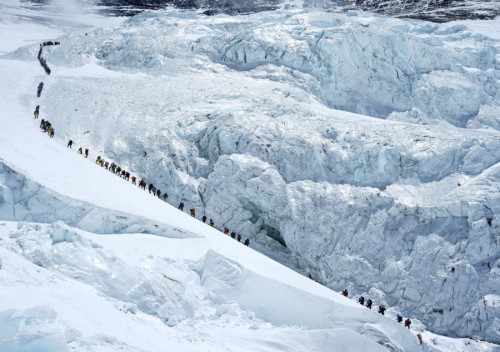
Himalayan expeditions operate in the most extreme mountain environments on Earth, where temperatures can drop below –40°C, weather conditions can change within minutes, and access to rescue or resupply is extremely limited. Expedition gear is therefore not simply about comfort; it is a critical safety system designed to protect climbers from severe cold, high winds, altitude-related stress, and prolonged exposure in remote terrain. Every piece of equipment used on a Himalayan expedition must be reliable, durable, and suitable for long-term use at high altitude.
The foundation of expedition gear is a comprehensive clothing system built for extreme cold and high elevation. This includes multiple base layers for moisture control, heavy insulation layers for warmth, and expedition-grade outer shells for protection against wind, snow, and ice. High-altitude down jackets or full down suits with high fill power are essential above 6,000 meters, where temperatures remain consistently low even during the day. Insulated down pants, mittens, balaclavas, and face protection are equally important to prevent frostbite and heat loss during summit pushes and long hours in exposed conditions.
Footwear for Himalayan expeditions must provide maximum insulation, stability, and compatibility with technical climbing equipment. Double or triple insulated mountaineering boots are mandatory for extreme altitude, often paired with inner liners that can be dried inside sleeping bags overnight. These boots must be compatible with automatic crampons and provide enough warmth to protect feet during prolonged exposure on snow and ice. Proper expedition socks, gaiters, and backup foot insulation are also essential components of the overall system.
Sleeping and shelter systems are another critical element of expedition gear. High-altitude sleeping bags rated to –40°C or lower, combined with insulated sleeping mats, protect climbers during rest periods when the body is most vulnerable to cold. Expedition tents are designed to withstand strong winds, heavy snowfall, and extended use in harsh conditions. These four-season tents are heavier and more robust than trekking tents, offering stability and protection at base camp and higher camps where weather can be severe and unpredictable.
Technical climbing equipment forms the backbone of safe movement in expedition terrain. This includes crampons, ice axes, ropes, harnesses, helmets, ascenders, carabiners, and belay devices, all selected for high-altitude performance and durability. On larger expeditions, additional fixed-line equipment, snow protection devices, and anchors are required to secure routes through icefalls, steep snow slopes, and exposed ridges. Every technical item must be carefully checked and maintained, as equipment failure at altitude can be life-threatening.
Expedition gear also includes essential safety, navigation, and communication equipment. Headlamps with spare batteries, GPS devices, maps, radios, and satellite communication systems are vital for coordination and emergency response. Medical and survival gear, including comprehensive first-aid kits, altitude medication (as advised by medical professionals), oxygen systems (where applicable), and emergency shelters, play a crucial role in managing risks associated with extreme altitude and isolation.
In addition to technical and protective equipment, expedition gear planning must consider logistics and weight management. Large-capacity backpacks, expedition duffel bags, and load-hauling systems are used to transport equipment between camps, often with the support of porters, yaks, or high-altitude workers. Food storage, cooking systems, fuel management, and waste management equipment are also integral to maintaining health and environmental responsibility throughout the expedition.
In conclusion, expedition gear for the Himalayas is a carefully integrated system designed to support human survival and performance in one of the harshest environments on the planet. Unlike trekking or peak climbing, expedition-level equipment must perform consistently over weeks or even months at extreme altitude. Proper gear selection, combined with professional guidance and experience, significantly increases the chances of a safe, successful, and rewarding Himalayan expedition.
Top FAQs About Gear for the Himalayas
1. Why is proper gear so important for Himalayan trekking and expeditions?
Proper gear is essential in the Himalayas because the environment is extreme and unpredictable. Temperatures can drop well below freezing, weather can change suddenly, and access to medical help or replacement equipment is limited. The right gear protects you from cold, wind, snow, rain, and intense UV exposure while helping your body manage altitude stress. Inadequate or poor-quality equipment increases the risk of frostbite, hypothermia, exhaustion, and altitude-related illness, making proper preparation a critical part of any Himalayan journey.
2. Can I use regular hiking gear for the Himalayas?
Regular hiking gear may be sufficient for low-altitude or short treks, but it is generally not suitable for most Himalayan routes. Himalayan trekking often involves cold mornings, high winds, snow, and long walking days at altitude. Specialized trekking gear such as layered clothing systems, insulated jackets, waterproof shells, and sturdy high-ankle boots are necessary. For peak climbing and expeditions, technical mountaineering gear is mandatory and cannot be replaced with standard hiking equipment.
3. What is the most important piece of gear for the Himalayas?
Footwear is one of the most important pieces of gear for the Himalayas. Well-fitted trekking or mountaineering boots provide stability, protect ankles, and keep feet warm and dry in snow, ice, and rocky terrain. Poor footwear can cause blisters, foot injuries, and cold-related problems, which can end a trip early. Clothing layers, sleeping bags, and weather protection are also equally critical for overall safety and comfort.
4. Do I need different gear for trekking, peak climbing, and expeditions?
Yes, gear requirements vary significantly depending on the activity. Himalayan trekking focuses on comfort, weather protection, and durability. Peak climbing requires additional technical equipment such as crampons, ice axes, harnesses, helmets, and warmer insulation. Himalayan expeditions demand professional-grade gear designed for extreme cold, high altitude, and long-term exposure, including expedition boots, extreme cold sleeping bags, and advanced safety equipment.
5. Should I rent or buy gear in Kathmandu?
Kathmandu is one of the best places in the world to rent or buy Himalayan gear. Heavy or single-use items such as sleeping bags, down jackets, tents, crampons, and ice axes are often rented to save cost and luggage weight. Personal items like boots, base layers, gloves, and safety equipment should be purchased to ensure proper fit and hygiene. Renting is practical for short trips, while buying makes sense for frequent or long-term mountain travel.
6. How cold does it get in the Himalayas, and how should I prepare?
Temperatures in the Himalayas vary by season and altitude. On popular trekking routes, nighttime temperatures can drop to –10°C or lower, while high-altitude expeditions can experience temperatures below –40°C. Preparing with a proper layering system, high-quality insulation, and a sleeping bag rated for expected conditions is essential. Windproof and waterproof outer layers are equally important to prevent heat loss.
7. Are down jackets and sleeping bags necessary for trekking?
Yes, down jackets and proper sleeping bags are highly recommended even for trekking. Even at moderate altitudes, mornings and evenings can be extremely cold. Down jackets provide excellent warmth with minimal weight, and sleeping bags rated for sub-zero temperatures ensure proper rest and recovery. These items are essential for maintaining body heat and preventing cold-related issues.
8. What technical gear is required for peak climbing in the Himalayas?
Peak climbing requires specialized technical equipment to safely navigate snow, ice, and steep terrain. This includes mountaineering boots, crampons, an ice axe, climbing harness, helmet, ropes, and safety devices such as carabiners and ascenders. These items are critical for protection and movement on glaciers, fixed lines, and exposed slopes, and they should meet international safety standards.
9. Is safety and emergency gear really necessary if I am trekking with a guide?
Yes, safety and emergency gear is always necessary, even when trekking with a guide. While guides carry group equipment and have experience managing risks, personal safety items such as headlamps, first-aid kits, water purification systems, and emergency contact information are essential. In remote Himalayan regions, being prepared for unexpected delays or weather changes can make a significant difference.
10. How can I be sure I am carrying the right gear for my Himalayan trip?
The best way to ensure you have the right gear is to consult your trekking or expedition company and follow a customized gear checklist based on your destination, altitude, season, and trip duration. Experienced professionals understand local conditions and can recommend exactly what is required, what can be rented, and what should be brought from home. Proper planning and expert guidance are the key to a safe and successful Himalayan adventure.
Final Advice
The Himalayas reward careful preparation. Choosing the correct gear increases safety, improves comfort, and enhances your overall mountain experience.
Always consult your trekking or expedition company for a customized gear checklist based on season, altitude, and route.
Recent Posts

8th Feb, 2026

6th Feb, 2026