Why Glaciers Matter for Water, Food & Livelihoods Climate Change, Mountain Environment, Water Resources

 Kedar Neupane
16th Dec, 2025
Kedar Neupane
16th Dec, 2025
Kedar Neupane
I am Kedar Neupane, a passionate traveler, entrepreneur, mentor, and social contributor, born and raised in a village near the Nepal-China border in Sindhupalchok, Nepal. With a Master’s degree in Business from Tribhuvan University and Level 2 proficiency in the German language, I have dedicated my life to tourism, trade, mentorship, and holistic well-being.
🌍 A Global Explorer with a Vision
Having explored 26+ countries, I have gained profound insights into diverse cultures, business landscapes, and global tourism. My travels have taken me to:
🇹🇭 Thailand | 🇧🇹 Bhutan | 🇲🇾 Malaysia | 🇸🇬 Singapore | 🇨🇳 China | 🇭🇰 Hong Kong | 🇩🇪 Germany | 🇵🇱 Poland | 🇦🇹 Austria | 🇨🇭 Switzerland | 🇭🇺 Hungary | 🇳🇱 Netherlands | 🇧🇪 Belgium | 🇫🇷 France | 🇦🇪 UAE | 🇬🇧 UK | 🇺🇸 USA | 🇹🇷 Turkey | 🇶🇦 Qatar | 🇮🇳 India | 🇮🇩 Indonesia | 🇨🇦 Canada
Through my journeys, I have developed a deep appreciation for cultural exchange, adventure tourism, and sustainable business practices.
🏔️ Entrepreneurial & Professional Journey
I am actively involved in tourism, trade, and mentorship, leading multiple ventures that promote sustainable travel, adventure tourism, and business development:
✔ Founder & MD – Actual Adventure Pvt. Ltd. (A leading adventure travel company in Nepal)
✔ CEO – Himalayas Destination Management Company (Creating premium travel experiences)
✔ MD – Nepal Export & Import Pvt. Ltd. (Promoting Nepalese products globally)
✔ MD – Actual Mentor Pvt. Ltd. (Empowering entrepreneurs and professionals)
✔ Chairman – World Expedition Nepal (Focusing on high-altitude expeditions and trekking)
Through my entrepreneurial journey, social contributions, global explorations, and commitment to lifelong learning, I strive to inspire others to pursue their passions while making a meaningful difference. My dream is to build a world where travel, business, and holistic well-being come together, fostering growth, sustainability, and happiness for all.
Author: Kedar Neupane | Category: Climate Change, Mountain Environment, Water Resources
Table of Contents
Introduction: More Than Ice and Snow
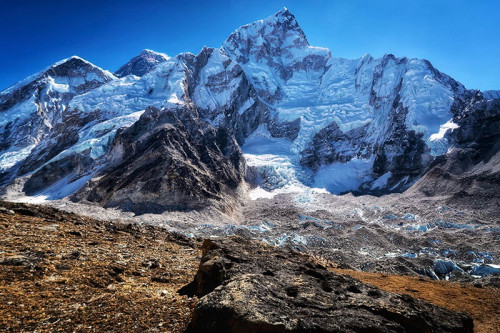
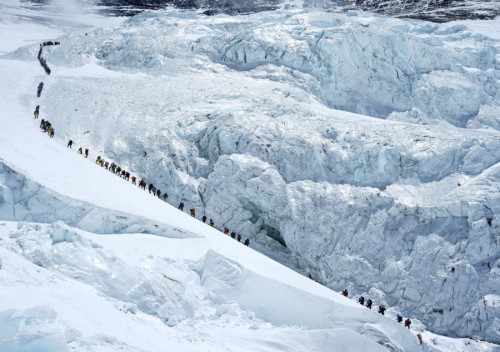
Glaciers are not just frozen landscapes admired by trekkers and mountaineers. They are living water reservoirs that regulate river flows, support agriculture, sustain ecosystems, and underpin livelihoods for millions of people living in mountains and far downstream. From the Himalayas to the Andes and the Alps, glaciers quietly shape food systems, energy production, tourism, and cultural identity.
As climate change accelerates glacier retreat, the impacts extend well beyond high-altitude regions, affecting water security, food production, and economic stability across entire river basins.
Glaciers as Nature’s Water Bank
Glaciers act as long-term water storage systems. Snow accumulates over years, compresses into ice, and slowly melts during warmer seasons. This process ensures a steady release of water when rainfall is low.
- Seasonal regulation: Glacier melt sustains rivers during dry months.
- Drought buffering: Meltwater supports communities during prolonged dry periods.
- Groundwater recharge: Meltwater helps replenish aquifers downstream.
- Sediment and nutrients: Glacial rivers nourish floodplains and ecosystems.
Why Glaciers Matter for Food Security
Agriculture and Irrigation
Millions of farmers depend on glacier-fed rivers for irrigation. Reliable meltwater ensures crops receive water during critical growing stages. When glaciers shrink, irrigation timing becomes unpredictable, leading to reduced yields and food insecurity.
Pastoralism and Livestock
Mountain pastures rely on glacial streams for grass growth. Reduced meltwater limits grazing areas, threatening traditional herding livelihoods and increasing pressure on fragile ecosystems.
Fisheries and Aquatic Life
Cold, oxygen-rich waters from glaciers support unique fish species. Changes in temperature, flow, and sediment can disrupt fisheries, affecting nutrition and income for river-dependent communities.
Livelihoods Linked to Glaciers
Hydropower and Energy
Many mountain countries rely heavily on hydropower generated from glacier-fed rivers. Initially, glacier melt may increase water flow, but long-term retreat leads to reduced dry-season electricity production.
Tourism and Adventure Economy
Glaciers attract trekkers, climbers, photographers, and researchers. Tourism supports local guides, lodges, transport services, and handicrafts. Glacier loss threatens scenic value and increases natural hazards, impacting tourism income.
Drinking Water and Urban Supply
Mountain towns and downstream cities depend on glacier-fed water sources. Retreating glaciers affect both water quantity and quality, challenging municipal supply systems.
Risks Associated with Glacier Retreat
- Glacial Lake Outburst Floods (GLOFs): Sudden floods caused by unstable glacial lakes.
- Seasonal water shortages: Earlier snowmelt disrupts farming calendars.
- Increased sediment: Impacts drinking water and irrigation infrastructure.
- Compound vulnerability: Population growth and water demand intensify risks.
Who Is Most Affected?
The impacts of glacier change are not equal. The most vulnerable groups include:
- Smallholder farmers and pastoralists
- Remote mountain communities
- Women and marginalized populations
- Downstream cities reliant on dry-season river flows
Adaptation and Resilience Strategies
Improved Water Management
Building reservoirs, improving irrigation efficiency, and restoring wetlands can help buffer water variability.
Disaster Risk Reduction
Monitoring glacial lakes, installing early warning systems, and strengthening infrastructure reduce the risks of GLOFs.
Diversified Livelihoods
Promoting climate-resilient agriculture, sustainable tourism, and alternative income sources strengthens community resilience.
Policy and Climate Finance
Integrating glacier and mountain water issues into national planning and securing climate finance are essential for long-term adaptation.
Why Protecting Glaciers Benefits Everyone
Investing in glacier-resilient systems reduces disaster risk, protects ecosystems, secures food supplies, and supports sustainable economic development. Healthy mountain water systems are essential not only for highland communities but also for millions living downstream.
Conclusion: Ice That Shapes Our Future
Glaciers are vital to water security, food systems, energy production, and livelihoods across the world. Their rapid retreat is a warning sign that demands urgent action. By combining local knowledge, scientific research, and inclusive policies, we can adapt to change and protect the lifelines that glaciers provide to mountains and beyond.
Tags: Glaciers, Climate Change, Water Security, Food Security, Mountain Livelihoods
Recent Posts

8th Feb, 2026

6th Feb, 2026