Mount Kailash–Mansarovar: Sacred, Secret & Spiritually Powerful Places Known Only to True Pilgrims- yatra open for 2026
 Kedar Neupane
12th Jan, 2026
Kedar Neupane
12th Jan, 2026
Kedar Neupane
I am Kedar Neupane, a passionate traveler, entrepreneur, mentor, and social contributor, born and raised in a village near the Nepal-China border in Sindhupalchok, Nepal. With a Master’s degree in Business from Tribhuvan University and Level 2 proficiency in the German language, I have dedicated my life to tourism, trade, mentorship, and holistic well-being.
🌍 A Global Explorer with a Vision
Having explored 26+ countries, I have gained profound insights into diverse cultures, business landscapes, and global tourism. My travels have taken me to:
🇹🇭 Thailand | 🇧🇹 Bhutan | 🇲🇾 Malaysia | 🇸🇬 Singapore | 🇨🇳 China | 🇭🇰 Hong Kong | 🇩🇪 Germany | 🇵🇱 Poland | 🇦🇹 Austria | 🇨🇭 Switzerland | 🇭🇺 Hungary | 🇳🇱 Netherlands | 🇧🇪 Belgium | 🇫🇷 France | 🇦🇪 UAE | 🇬🇧 UK | 🇺🇸 USA | 🇹🇷 Turkey | 🇶🇦 Qatar | 🇮🇳 India | 🇮🇩 Indonesia | 🇨🇦 Canada
Through my journeys, I have developed a deep appreciation for cultural exchange, adventure tourism, and sustainable business practices.
🏔️ Entrepreneurial & Professional Journey
I am actively involved in tourism, trade, and mentorship, leading multiple ventures that promote sustainable travel, adventure tourism, and business development:
✔ Founder & MD – Actual Adventure Pvt. Ltd. (A leading adventure travel company in Nepal)
✔ CEO – Himalayas Destination Management Company (Creating premium travel experiences)
✔ MD – Nepal Export & Import Pvt. Ltd. (Promoting Nepalese products globally)
✔ MD – Actual Mentor Pvt. Ltd. (Empowering entrepreneurs and professionals)
✔ Chairman – World Expedition Nepal (Focusing on high-altitude expeditions and trekking)
Through my entrepreneurial journey, social contributions, global explorations, and commitment to lifelong learning, I strive to inspire others to pursue their passions while making a meaningful difference. My dream is to build a world where travel, business, and holistic well-being come together, fostering growth, sustainability, and happiness for all.
Discover the most powerful, secret, and spiritually revered places inside the Mount Kailash–Mansarovar region, explained through Hinduism, Buddhism, Jainism, and Bon traditions. Written from a local Himalayan operator’s perspective, this guide reveals sacred sites accessible only during Kailash Parikrama and followed by authentic pilgrimage traditions.
Table of Contents
An Insider’s Perspective by Actual Adventure Treks & Expedition
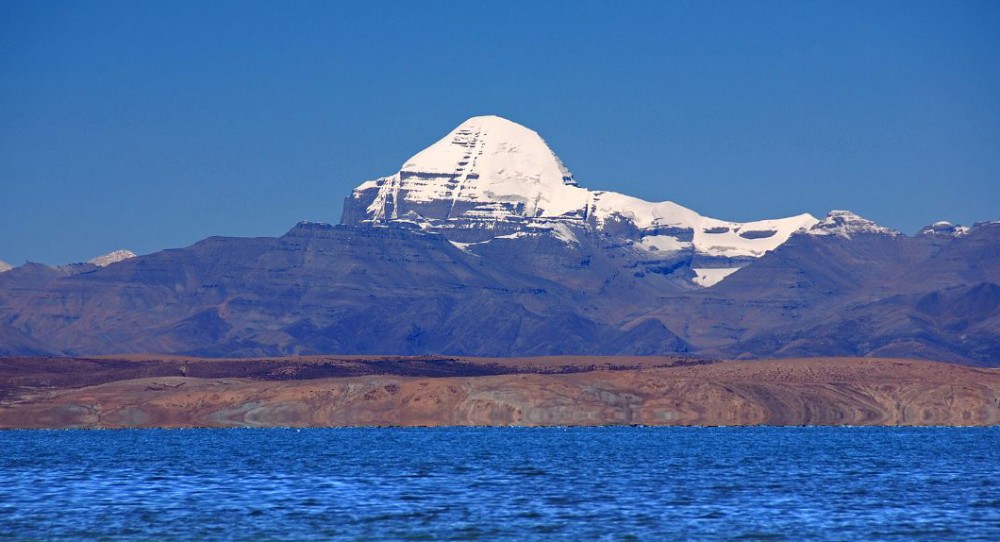
Mount Kailash–Mansarovar is not merely a destination; it is a living spiritual mandala, revered across four ancient religions—Hinduism, Buddhism, Jainism, and Bon. As a local Himalayan operator with decades of experience guiding pilgrims into this sacred landscape, Actual Adventure Treks & Expedition understands that many of the most powerful places around Kailash are not marked clearly on maps, are restricted by nature or tradition, or are revealed only during the sacred act of Kailash Parikrama (Kora). These sites are preserved not by secrecy alone, but by spiritual readiness, humility, and tradition.
Hinduism: The Realm of Shiva and Cosmic Balance
In Hindu belief, Mount Kailash itself is the supreme sacred site, regarded as the eternal abode of Lord Shiva and Goddess Parvati. Unlike other mountains, Kailash is not climbed, as it is worshipped as Mount Meru, the cosmic axis of the universe. Around this divine center lie spiritually charged sites known primarily to pilgrims and local guides. Lake Mansarovar, believed to have been created by Lord Brahma through divine thought, is considered the purest body of water on earth. A ritual bath here is said to cleanse sins accumulated over many lifetimes.
Hidden higher along the Parikrama route is Gauri Kund (Parvati Sarovar), near the sacred Dolma La Pass. According to Hindu tradition, this is where Goddess Parvati bathed, and it is especially revered by women seeking blessings for family, fertility, and harmony. Another lesser-known but powerful site is Rakshas Tal (Ravana Tal), associated with Ravana’s intense penance to Lord Shiva. Unlike Mansarovar, its energy is raw and fierce, representing ego, transformation, and surrender—rarely visited, yet deeply symbolic.
Buddhism: Tantric Energy and Enlightenment Pathways
For Tibetan Buddhists, Mount Kailash is known as Kang Rinpoche, the manifestation of Demchok (Chakrasamvara), a deity representing supreme bliss and enlightenment. The entire region is seen as a tantric energy field, where outer geography mirrors inner consciousness. One of the most spiritually powerful yet discreet sites is Zuthulpuk Monastery, also called the “Miracle Cave,” where the great yogi Milarepa meditated. This cave lies directly on the Kailash Parikrama and is accessible only to those who complete the sacred circuit.
Advanced practitioners speak of the Inner Kora (Nangkor)—a spiritually intense circumambulation path inside the outer Parikrama. This route is not officially promoted and is attempted only by highly experienced pilgrims under special conditions. Throughout the region, small chortens, meditation caves, and natural rock formations act as energy markers, known primarily to local Tibetan monks and experienced guides.
Jainism: The Path of Liberation at Ashtapada
For followers of Jainism, the Kailash region holds supreme importance as Ashtapada, the site where the first Tirthankara, Rishabhadeva (Adinath), attained moksha (liberation). Ashtapada is symbolized as a sacred mountain near Kailash and represents the highest spiritual achievement—freedom from the cycle of birth and death. Access to the physical location is currently restricted, but Jain pilgrims honor it through Parikrama, prayers, and meditative remembrance during the yatra.
Ancient Jain scriptures describe Kailash as the cosmic center of spiritual ascent, and subtle markers—believed to be symbolic footprints or energy points of Tirthankaras—are revered through oral tradition rather than visible monuments. These sites emphasize inner purification over external ritual, aligning deeply with Jain philosophy.
Bon Religion: The Most Ancient and Esoteric Tradition
The Bon religion, older than Tibetan Buddhism itself, regards Mount Kailash as Sipai Gyalmo, the seat of spiritual power and the axis of Bon cosmology. Bon pilgrims traditionally perform the Kailash Parikrama in an anti-clockwise direction, symbolizing the reversal of illusion and return to primordial truth. Scattered across the region are ancient Bon meditation caves and ritual grounds, many unnamed and deliberately unmarked to preserve their sanctity.
Bon texts speak of Tagzig Olmo Lung Ring, a sacred spiritual realm spiritually connected to Kailash, believed to exist beyond physical geography. These teachings emphasize that Kailash is not only a mountain, but a gateway between worlds, accessible only through discipline and reverence.
Universal Sacred Sites Experienced During Parikrama
Some of the most powerful sites in the Kailash–Mansarovar region can only be experienced on foot during Parikrama. The crossing of Dolma La Pass (5,630 m) is universally regarded as a moment of death and rebirth—pilgrims leave behind old clothes, prayers, or symbolic items, marking the shedding of past karma. Natural stone formations, known locally as Shiva Sthals, are revered across religions as manifestations of divine presence.
The region is also recognized as the spiritual source of four great rivers—the Indus, Sutlej, Brahmaputra, and Karnali—making Kailash the hydrological and spiritual heart of Asia.
Our Responsibility as a Local Himalayan Operator
At Actual Adventure Treks & Expedition, we do not treat these sacred sites as tourist attractions. We guide pilgrims with cultural sensitivity, local knowledge, and deep respect for tradition. Many places around Kailash are intentionally subtle—not photographed, not signposted, and not explained loudly—because their power lies in experience, silence, and surrender.
We believe that Kailash calls the pilgrim, not the other way around. Our role is to prepare the body, protect the journey, and honor the spiritual integrity of this sacred land.
Top 100 Most Frequently Asked Questions About the Kailash Mansarovar Yatra – Complete Pilgrimage Guide
The Kailash Mansarovar Yatra raises many questions in the minds of pilgrims due to its spiritual importance, high altitude, restricted location, and complex logistics. One of the most common questions is about what the Kailash Mansarovar Yatra actually is and why it is considered sacred. Mount Kailash is believed to be the earthly abode of Lord Shiva in Hinduism, Demchok (Chakrasamvara) in Buddhism, the site of liberation for Rishabhdev in Jainism, and the spiritual axis of the universe in Bon tradition. Lake Mansarovar, located near Mount Kailash, is regarded as the purest lake in the world, where a single dip is believed to cleanse sins of many lifetimes.
Pilgrims often ask where Mount Kailash and Lake Mansarovar are located. The region lies in western Tibet (Ngari Prefecture), near the borders of Nepal and India, at an altitude above 4,500 meters. Questions about which country controls Kailash are common—Kailash is administered by China (Tibet Autonomous Region), and special permits are required for entry.
Another frequent concern is how to reach Kailash Mansarovar. Pilgrims can travel via Nepal routes (Simikot or Kerung), the Lhasa route (via flight or train to Lhasa), or Indian government routes (Lipulekh or Nathu La). Each route differs in duration, cost, comfort, and altitude gain, leading to many questions about which route is best, which is safest, and which is most suitable for elderly pilgrims.
Health-related questions form a large part of the top FAQs. Pilgrims want to know how difficult the yatra is, whether prior trekking experience is required, and how to manage altitude sickness. The Kailash Parikrama (Kora) involves crossing Dolma La Pass at 5,630 meters, which makes acclimatization essential. Many ask about medical fitness requirements, age limits, and whether people with BP, diabetes, or asthma can undertake the yatra. Operators usually recommend medical clearance and gradual ascent.
A significant number of FAQs revolve around the Kailash Parikrama itself—how long it is (approximately 52 km), how many days it takes (usually 3 days), whether ponies or porters are available, and if parikrama is compulsory. Some pilgrims also ask about inner kora, outer kora, and whether clockwise or anti-clockwise circumambulation is required according to their religion.
Spiritual questions are equally important. Pilgrims ask what rituals are allowed at Lake Mansarovar, whether bathing is compulsory, and what religious restrictions exist near Mount Kailash. Many want to know why climbing Mount Kailash is forbidden, what legends surround attempts to climb it, and whether anyone has ever reached the summit. Questions about Mount Kailash’s mystical energy, its pyramidal shape, and its alignment with other sacred sites worldwide are also very common.
Another major category includes permits, visas, and documents. Pilgrims frequently ask about China visas, Tibet Travel Permits, Alien Permits, and how long these take to process. Concerns about group visas, passport validity, photography restrictions, and communication (internet and mobile networks) also arise frequently.
Cost-related questions make up a large portion of the top 100 FAQs. Pilgrims want to know the total cost of Kailash Mansarovar Yatra, what is included or excluded, additional expenses for ponies or porters, tipping expectations, and cancellation policies. Many also ask whether the yatra is worth the cost, especially considering the basic facilities available in Tibet.
Accommodation and food are another frequent concern. Questions include what kind of hotels or guesthouses are available, whether vegetarian food is provided, availability of Indian meals, drinking water safety, and hygiene conditions during the journey. Pilgrims often ask if oxygen cylinders are available and whether toilets are modern or traditional.
Seasonal and weather-related questions are also very common. Pilgrims want to know the best time to do the Kailash Mansarovar Yatra, which months offer the safest weather, how cold it gets, and whether the yatra is possible during monsoon or winter. Questions about sudden weather changes, road conditions, and buffer days are essential considerations.
Safety and emergency-related FAQs include what happens in case of illness, availability of evacuation, medical facilities en route, travel insurance coverage, and how operators handle emergencies. Many pilgrims also ask about political conditions, border closures, and sudden route changes.
Cultural and behavioral questions are frequently asked as well—what dress code to follow, how to behave in monasteries, whether photography is allowed, interaction with local Tibetans, and respect for religious sentiments. Pilgrims also ask whether chanting, meditation, or group prayers are organized during the yatra.
Finally, many FAQs are deeply personal and spiritual in nature. Pilgrims ask whether the yatra brings moksha or liberation, whether wishes are fulfilled after parikrama, whether women can do the yatra during menstruation (a sensitive and personal topic), and how the yatra transforms one’s life spiritually. Experienced operators often explain that Kailash Yatra is less about tourism and more about inner transformation, surrender, and faith.
Together, these questions form the top 100 most frequently asked questions about the Kailash Mansarovar Yatra, reflecting the mix of faith, fear, curiosity, logistics, and devotion that surrounds this sacred journey. As a local Himalayan operator, Actual Adventure Treks & Expedition believes that clear information, honest guidance, and spiritual respect are the foundation of a safe and meaningful Kailash pilgrimage.
A. General Information About Kailash Mansarovar Yatra (1–10)
1. What is Kailash Mansarovar Yatra?
The Kailash Mansarovar Yatra is one of the most sacred and spiritually significant pilgrimages in the world, undertaken by devotees from Hinduism, Buddhism, Jainism, and Bon religion. The yatra involves a journey to Mount Kailash, regarded as the spiritual axis of the universe, and Lake Mansarovar, believed to be the purest lake on earth. Pilgrims do not climb Mount Kailash; instead, they perform a parikrama (kora) around the mountain, which symbolizes humility, devotion, and inner purification. For centuries, saints, monks, and seekers have undertaken this journey not as tourism, but as a path toward spiritual awakening and liberation.
2. Where is Mount Kailash located?
Mount Kailash is located in the Ngari Prefecture of western Tibet, within the Tibet Autonomous Region of China. It lies near the borders of Nepal and India, on the high Tibetan Plateau, at an altitude of over 4,500 meters above sea level. Despite being geographically remote and politically restricted, Mount Kailash has remained a global spiritual center for thousands of years. Access to the region requires special permits, and travel is only possible through authorized routes via Nepal, Lhasa, or India.
3. What is Lake Mansarovar?
Lake Mansarovar is one of the highest freshwater lakes in the world, situated near Mount Kailash at an altitude of approximately 4,590 meters. According to Hindu belief, the lake was created by Lord Brahma in his mind (Manas), which is why it is called “Mansarovar.” Bathing in its sacred waters is believed to cleanse sins accumulated over many lifetimes. For Buddhists, the lake represents purity and compassion, while Jains and Bon followers regard it as a place of spiritual power and cosmic balance. The lake remains crystal clear and spiritually revered, making it a central highlight of the yatra.
4. Why is Mount Kailash considered sacred?
Mount Kailash is considered sacred because it is the only mountain in the world worshipped but never climbed. In Hinduism, it is believed to be the eternal abode of Lord Shiva and Goddess Parvati, where Shiva remains in deep meditation. In Tibetan Buddhism, it is the home of Demchok (Chakrasamvara), representing supreme bliss. Jains believe that their first Tirthankara, Rishabhdev, attained liberation here, while Bon tradition considers Kailash the seat of spiritual power and the origin of all existence. This shared reverence across four ancient religions makes Mount Kailash spiritually unique and universally sacred.
5. Who can do the Kailash Mansarovar Yatra?
The Kailash Mansarovar Yatra can be undertaken by any spiritually inclined person who is medically fit and mentally prepared for high-altitude travel. There is no restriction based on religion or nationality; pilgrims from all backgrounds are welcome. However, due to the altitude and physical demands, participants are generally advised to be between 18 and 70 years old, with no severe heart, lung, or chronic illnesses. As a responsible local operator, we emphasize that faith alone is not enough—physical readiness and discipline are equally important.
6. Is Mount Kailash climbed?
No, Mount Kailash has never been climbed, and climbing it is strictly prohibited. This ban is respected not only by authorities but also by devotees worldwide. The mountain is considered so sacred that even attempting to climb it is believed to disrupt cosmic balance. Historical records show that even the greatest mountaineers refused to climb Kailash out of spiritual respect. Instead of climbing, pilgrims express devotion by performing the 52-kilometer parikrama around the mountain, which is believed to be far more spiritually powerful than reaching the summit.
7. How high is Mount Kailash?
Mount Kailash stands at an elevation of approximately 6,638 meters (21,778 feet) above sea level. Although it is not the tallest mountain in the Himalayas, its striking symmetry, isolated position, and spiritual significance make it one of the most mysterious mountains on Earth. Unlike other Himalayan peaks, Kailash rises dramatically from the surrounding plateau, giving it a distinct pyramidal appearance that has fascinated scientists, mystics, and pilgrims alike.
8. How far is Lake Mansarovar from Mount Kailash?
Lake Mansarovar is located approximately 30 to 35 kilometers from Mount Kailash. Despite the short distance, the spiritual connection between the mountain and the lake is profound. Pilgrims traditionally visit Lake Mansarovar before or after completing the Kailash Parikrama, as the combination of darshan at Kailash and bathing in Mansarovar is considered spiritually complete. The scenic drive between the two offers breathtaking views of the Himalayan landscape and sacred surroundings.
9. How long does the Kailash Mansarovar Yatra take?
The total duration of the Kailash Mansarovar Yatra typically ranges from 12 to 18 days, depending on the route chosen. Nepal routes via Kerung or Simikot usually take 14–16 days, while the Lhasa route may take slightly longer due to extended acclimatization. The actual Kailash Parikrama itself takes 3 days, but proper acclimatization days are essential for safety. As experienced operators, we always recommend itineraries that prioritize health and spiritual experience over speed.
10. What is the best time to do the Kailash Mansarovar Yatra?
The best time to undertake the Kailash Mansarovar Yatra is from May to September, when the region is accessible and weather conditions are relatively stable. The peak pilgrimage months are June, July, and August, coinciding with major religious dates and full-moon days. May and September are quieter and preferred by pilgrims seeking fewer crowds. Winter months are extremely harsh, and routes remain closed due to heavy snowfall and sub-zero temperatures.
B. Routes & Travel Information (11–20)
11. What are the main routes to reach Kailash Mansarovar?
There are three primary routes to reach Kailash Mansarovar: via Nepal, via Lhasa (Tibet), and via India. The Nepal route is the most popular among international pilgrims due to flexibility and better logistics, entering Tibet either through Kerung (Gyirong) by road or Simikot–Hilsa using flights and short treks. The Lhasa route involves flying or taking the Qinghai–Tibet train to Lhasa and then traveling overland to Kailash, offering excellent acclimatization and cultural exposure. The Indian government route operates through Lipulekh Pass (Uttarakhand) and Nathu La Pass (Sikkim), mainly for Indian nationals under official schemes.
12. Which route is best for Kailash Mansarovar Yatra?
The best route depends on the pilgrim’s health, time availability, budget, and spiritual preference. The Kerung route via Nepal is considered the most balanced, offering gradual altitude gain and road access. The Lhasa route is ideal for those wanting deeper Tibetan cultural experience and safer acclimatization. The Simikot route is more adventurous and physically demanding. For Indian pilgrims seeking a government-managed journey, the Lipulekh or Nathu La route is suitable, though more structured and time-bound.
13. Is the Kailash Mansarovar Yatra possible via Lhasa?
Yes, the Lhasa to Kailash route is one of the safest and most scenic ways to reach Mount Kailash. Pilgrims first arrive in Lhasa, allowing the body to acclimatize gradually, then travel through Shigatse, Saga, and Darchen. This route provides opportunities to visit major monasteries like Potala Palace, Jokhang Temple, and Tashilhunpo Monastery, making it spiritually and culturally enriching. Due to longer duration and permits, this route is generally costlier but highly recommended for elderly pilgrims and first-time visitors.
14. What is the Nepal route to Kailash Mansarovar?
The Nepal route offers two main options: Kerung (Gyirong) route and Simikot–Hilsa route. The Kerung route involves a drive from Kathmandu to the Nepal–Tibet border and then continues by road to Saga and Darchen. It is currently the most preferred route due to road connectivity and manageable altitude gain. The Simikot route involves flights, trekking, and a border crossing at Hilsa, offering a traditional pilgrimage feel but requiring higher physical fitness.
15. Which route is safest for elderly pilgrims?
For elderly pilgrims, the Lhasa route and Kerung road route are considered the safest due to better acclimatization and fewer trekking days. These routes allow slow altitude gain, more rest days, and road access almost throughout the journey. As experienced local operators, we strongly recommend medical consultation and personalized route selection for senior pilgrims to ensure safety and comfort.
16. How difficult is traveling to Kailash Mansarovar?
Traveling to Kailash Mansarovar is moderately to highly challenging, not because of technical difficulty, but due to high altitude, low oxygen levels, cold weather, and remote conditions. Roads can be rough, facilities basic, and weather unpredictable. Mental preparedness and flexibility are as important as physical fitness. With proper acclimatization and experienced guidance, the journey is achievable for most healthy individuals.
17. Can Kailash Mansarovar Yatra be done by helicopter?
Yes, helicopter services are available on certain Nepal routes, mainly between Nepalgunj and Simikot or Kathmandu and Nepalgunj, reducing travel time and physical strain. However, helicopters do not fly directly to Mount Kailash. Road travel and walking are still required for the parikrama. Helicopter-assisted itineraries are popular among time-bound pilgrims but are weather-dependent.
18. How is transportation arranged during the yatra?
Transportation during the yatra is managed using private tourist vehicles, jeeps, and buses in Tibet, depending on group size. Roads in western Tibet are remote but improving. During the Kailash Parikrama, transportation is replaced by walking, pony, or porter services. As a local operator, we ensure vehicle quality, experienced drivers, and backup plans for remote sections.
19. Is the Kailash Mansarovar Yatra suitable for first-time trekkers?
Yes, the yatra is suitable for first-time trekkers, provided they are physically fit and mentally prepared. The parikrama does not require technical trekking skills, but endurance is necessary, especially on the Dolma La Pass day. We guide first-time pilgrims with proper acclimatization schedules, briefing, and on-ground support to make the experience safe and meaningful.
20. Are there rest days and acclimatization stops during the journey?
Yes, acclimatization is a crucial part of the Kailash Mansarovar Yatra. Routes include planned rest days at places like Kerung, Saga, or Lhasa, allowing the body to adjust to altitude. These days reduce the risk of altitude sickness and improve overall experience. As responsible operators, we never compromise acclimatization for speed.
C. Health, Fitness & Altitude Considerations (21–30)
21. How fit do you need to be for Kailash Mansarovar Yatra?
The Kailash Mansarovar Yatra does not require technical mountaineering skills, but it does demand good physical stamina and mental resilience. Pilgrims should be comfortable walking 5–7 hours a day at high altitude, often on uneven terrain. Regular walking, stair climbing, breathing exercises, and light cardio training before the journey significantly improve the experience. As operators, we emphasize that slow pace and discipline, rather than strength, are the key to success.
22. What is altitude sickness and how common is it?
Altitude sickness occurs when the body cannot adjust properly to reduced oxygen levels at high elevations. Since Kailash Mansarovar lies above 4,500 meters, mild symptoms such as headache, nausea, fatigue, and loss of appetite are relatively common. Severe altitude sickness is rare when proper acclimatization is followed. Our itineraries are designed with gradual altitude gain, rest days, and constant monitoring to minimize risk.
23. How is acclimatization managed during the yatra?
Acclimatization is managed through planned rest days, slow ascent, hydration, and controlled walking pace. Locations like Kerung, Saga, and Lhasa are used for overnight stays to allow the body to adapt naturally. Pilgrims are advised to avoid alcohol, smoke less, drink warm fluids, and follow the guide’s instructions strictly. Good acclimatization is essential for safely crossing Dolma La Pass during parikrama.
24. Can people with BP, diabetes, or asthma do the yatra?
Pilgrims with controlled blood pressure, diabetes, or mild asthma can undertake the yatra with medical clearance and proper medication. However, those with severe heart conditions, recent surgeries, or chronic respiratory issues are strongly advised not to participate. As responsible operators, we require a medical fitness certificate and recommend consultation with a physician experienced in high-altitude travel.
25. Is there an age limit for Kailash Mansarovar Yatra?
There is no strict age limit, but most operators recommend an age range of 18 to 70 years, depending on route and physical condition. Many elderly pilgrims successfully complete the yatra each year through safer routes like Lhasa or Kerung. Age is less important than overall fitness, mental readiness, and medical condition.
26. Is oxygen available during the yatra?
Yes, portable oxygen cylinders are carried by the support team during critical sections, especially during parikrama and at high-altitude camps. Oxygen is used only when necessary and under supervision. It is not a substitute for acclimatization but serves as an emergency aid. We also ensure access to basic medical kits and trained staff.
27. What medical facilities are available on the route?
Medical facilities in the Kailash region are very limited. Basic clinics may be available in larger towns like Saga or Darchen, but advanced care is not accessible. This is why prevention, early detection, and immediate response are crucial. Our team is trained to recognize symptoms early and arrange evacuation if required.
28. Do I need travel insurance for Kailash Mansarovar Yatra?
Yes, travel insurance covering high-altitude trekking and emergency evacuation is mandatory. The insurance should include medical expenses and helicopter evacuation where applicable. As operators, we guide pilgrims in choosing suitable insurance policies before departure.
29. How cold does it get during the yatra?
Temperatures in the Kailash region can drop below -5°C to -10°C, especially at night and during early mornings, even in summer months. Weather can change suddenly, with strong winds and occasional snowfall near Dolma La Pass. Proper clothing, layering, and wind protection are essential for comfort and safety.
30. What happens if someone cannot complete the parikrama?
If a pilgrim is unable to complete the parikrama due to health or altitude issues, arrangements can be made to return to Darchen with assistance. Completing the parikrama is spiritually significant but not mandatory. Safety always comes first, and pilgrims are encouraged to listen to their bodies and the guide’s advice.
D. Kailash Parikrama (Kora) & Sacred Walk (31–40)
31. What is the Kailash Parikrama (Kora)?
The Kailash Parikrama, also known as Kora, is the holy circumambulation of Mount Kailash, considered the heart of the Kailash Mansarovar Yatra. Instead of climbing the mountain, pilgrims walk around it as an act of devotion, humility, and surrender. The full outer parikrama is approximately 52 kilometers, traditionally completed in three days. In all four religions—Hinduism, Buddhism, Jainism, and Bon—the parikrama is believed to purify karma and bring spiritual merit.
32. Is Kailash Parikrama compulsory?
Kailash Parikrama is highly sacred but not compulsory. Many elderly or medically challenged pilgrims visit Lake Mansarovar and have darshan of Mount Kailash without completing the parikrama. While scriptures state that completing the parikrama brings immense spiritual benefit, safety and health always take priority. From an operator’s perspective, faith should never override physical limitations.
33. How many days does the Kailash Parikrama take?
The Kailash Parikrama is usually completed in three days. Day one involves walking from Darchen to Dirapuk Monastery, day two is the most challenging section crossing Dolma La Pass (5,630 m) from Dirapuk to Zutulpuk, and day three completes the walk back to Darchen. Some pilgrims complete it faster, but we strongly recommend the traditional three-day approach for safety and acclimatization.
34. What is Dolma La Pass and why is it important?
Dolma La Pass is the highest point of the Kailash Parikrama, standing at 5,630 meters. Spiritually, it symbolizes death and rebirth, where pilgrims leave behind old karma and emerge renewed. Along the pass lies Shiva Tsal, a sacred area where pilgrims discard symbolic items representing ego and negativity. Physically, this is the most demanding part of the journey, requiring patience and slow movement.
35. What is Shiva Tsal?
Shiva Tsal is a sacred site near Dolma La Pass where pilgrims traditionally leave behind old clothes, hair, or personal items. This ritual represents the shedding of past burdens, attachments, and sins. According to belief, whatever is left at Shiva Tsal should never be taken back. This act is deeply symbolic and marks a spiritual turning point during the parikrama.
36. Are pony and porter services available during parikrama?
Yes, pony and porter services are available for pilgrims who require assistance during the parikrama. These services are arranged at Darchen and are managed by local Tibetan providers. While ponies help with walking, pilgrims must still walk certain steep or narrow sections. Porters can carry luggage, allowing pilgrims to focus on walking and breathing steadily.
37. Is the Kailash Parikrama clockwise or anti-clockwise?
In Hinduism, Buddhism, and Jainism, the parikrama is performed clockwise. However, followers of the Bon religion traditionally walk anti-clockwise, as per their ancient customs. Both practices are respected in the Kailash region, reflecting the mountain’s unique spiritual inclusivity.
38. What monasteries are visited during Kailash Parikrama?
During the parikrama, pilgrims pass by Dirapuk Monastery, offering the closest view of Mount Kailash’s north face, and Zutulpuk Monastery, associated with the great yogi Milarepa. These monasteries serve as spiritual resting points where pilgrims meditate, pray, and reflect on the journey’s deeper meaning.
39. What is Inner Kora and can pilgrims do it?
The Inner Kora is a highly restricted and spiritually advanced route closer to Mount Kailash, believed to be accessible only to highly realized practitioners and monks. It is rarely permitted to ordinary pilgrims due to political and spiritual restrictions. Most pilgrims perform the Outer Kora, which itself holds immense spiritual power.
40. What happens if weather interrupts the parikrama?
Weather in the Kailash region can change rapidly. In case of heavy snowfall, strong winds, or unsafe conditions, parikrama may be delayed or suspended. As experienced operators, we always include buffer days and prioritize safety. Pilgrims are advised to remain flexible and accept that nature ultimately decides the journey.
E. Permits, Visa, Cost & Logistics (41–60)
41. What permits are required for Kailash Mansarovar Yatra?
The Kailash Mansarovar region lies in a restricted area of Tibet, so multiple permits are mandatory. Pilgrims require a Tibet Travel Permit, Alien Travel Permit, and Military Permit to enter and travel within the Ngari region where Mount Kailash is located. These permits are issued only through authorized local operators and cannot be applied for individually. As an experienced Himalayan operator, we manage the entire permit process on behalf of pilgrims to ensure smooth entry and compliance with regulations.
42. Do pilgrims need a China visa for Kailash Mansarovar Yatra?
Yes, all pilgrims must obtain a China visa to enter Tibet. Depending on nationality and route, this may be an individual visa or a group visa issued through the Chinese Embassy. For Nepal-based entries, group visas are commonly issued, and existing China visas may be canceled and replaced. Proper passport validity (minimum six months) and correct documentation are essential to avoid delays.
43. How long does it take to process permits and visas?
Permit and visa processing typically takes 20 to 30 working days, sometimes longer during peak pilgrimage season. Because approvals depend on multiple authorities, last-minute applications are not advisable. We always recommend confirming bookings at least two to three months in advance to avoid complications.
44. Can permits be rejected or delayed?
Yes, permits can be delayed or, in rare cases, rejected due to political situations, border regulations, or incomplete documentation. Weather conditions and regional restrictions can also affect approvals. As local operators, we stay updated with authorities and adjust itineraries or routes when necessary to minimize disruption.
45. What is the total cost of Kailash Mansarovar Yatra?
The cost of the Kailash Mansarovar Yatra varies depending on the route, services, and group size. On average, prices range from USD 3,500 to USD 6,000 per person. The Lhasa route generally costs more due to longer duration and internal flights or train travel, while Nepal routes offer more flexibility. Costs reflect permits, logistics, transportation, and support in a remote region.
46. What is included in the yatra package?
Most standard packages include airport transfers, hotels and guesthouses, transportation in Tibet, permits, visa assistance, guide services, meals (mostly vegetarian), oxygen support, and medical kits. Accommodation is basic but clean. Our focus as operators is on safety, reliability, and spiritual comfort rather than luxury.
47. What expenses are not included in the package?
Excluded costs usually include international flights, personal expenses, travel insurance, pony or porter charges during parikrama, tips, and emergency evacuation costs. Pilgrims are advised to carry additional cash for unforeseen needs, as ATMs are rare in the region.
48. How are accommodations during the yatra?
Accommodation ranges from hotels in cities like Kathmandu and Lhasa to basic guesthouses or dormitory-style lodges near Kailash. Facilities are simple, often with shared bathrooms and limited heating. While comfort is minimal, the spiritual environment and natural surroundings make the experience deeply fulfilling.
49. What kind of food is available during the yatra?
Food provided during the yatra is mainly vegetarian, including Indian-style meals, Tibetan bread, rice, dal, vegetables, soup, and tea. Meals are simple, nutritious, and designed to suit high-altitude conditions. Non-vegetarian food is generally discouraged in the Kailash region due to religious sensitivity.
50. Is drinking water safe in the Kailash region?
Drinking water should always be boiled or purified. Pilgrims are advised to carry water purification tablets or personal bottles with filters. Bottled water may be available in some towns but is limited and expensive in remote areas.
51. How is luggage handled during the journey?
During vehicle-supported sections, luggage is transported by the support team. During the parikrama, pilgrims may hire porters or ponies to carry bags. We recommend carrying only essentials during the parikrama and keeping luggage light for ease and safety.
52. Are toilets available during the yatra?
Toilets in the Kailash region are mostly basic squat-style facilities. Western-style toilets are rare outside major towns. Pilgrims should be mentally prepared for simple conditions and maintain hygiene using personal supplies.
53. Is mobile network and internet available?
Mobile connectivity is limited and inconsistent in the Kailash region. Internet access is rare and slow. Pilgrims should inform family in advance and treat the journey as a digital detox, focusing on spiritual presence rather than communication.
54. Can foreign nationals do Kailash Mansarovar Yatra?
Yes, foreign nationals from many countries can undertake the yatra, provided permits and visas are approved. However, regulations vary by nationality and political situation. As operators, we advise early planning for foreign passport holders.
55. Is photography allowed at Mount Kailash and Lake Mansarovar?
Photography is generally allowed in outdoor areas, but restricted near military zones and monasteries. Pilgrims should always follow guide instructions and respect local customs. Drones are strictly prohibited.
56. How much cash should pilgrims carry?
Pilgrims should carry sufficient USD or Chinese Yuan (RMB) for personal expenses. Card payments are rarely accepted in remote areas. We guide pilgrims on safe cash handling and currency exchange before departure.
57. What happens in case of route closure or political issues?
In case of border closures or political restrictions, routes may be postponed or redirected. Operators may offer alternative itineraries, rescheduling, or refunds as per policy. Flexibility and understanding are essential for this pilgrimage.
58. Is tipping expected during the yatra?
Tipping is customary but not mandatory. Pilgrims often tip local guides, drivers, porters, and kitchen staff as a gesture of gratitude. We provide clear guidelines to avoid confusion.
59. How are emergencies handled during the yatra?
Emergency response includes oxygen support, first aid, vehicle evacuation, and coordination with local authorities. Severe cases may require evacuation to lower altitudes or Kathmandu. Proper insurance and operator preparedness are critical.
60. Why choose a local operator for Kailash Mansarovar Yatra?
Choosing a local Himalayan operator ensures authentic knowledge, real-time coordination, cultural understanding, and safety-focused planning. With decades of experience, Actual Adventure Treks & Expedition offers trusted guidance, ethical operations, and a deep respect for the sacred nature of Kailash.
F. Spiritual Beliefs, Rituals & Mysticism (61–80)
61. Why is Mount Kailash considered the spiritual axis of the world?
Mount Kailash is regarded as Meru, the cosmic axis in Hindu, Buddhist, Jain, and Bon traditions. It is believed to connect the heavens, earth, and underworld. The pyramid-shaped mountain symbolizes spiritual ascent, and circumambulating it aligns the pilgrim with cosmic energy, bringing inner peace, merit, and spiritual transformation.
62. What is the spiritual significance of Lake Mansarovar?
Lake Mansarovar is considered the purest and most sacred lake on Earth. In Hinduism, a dip here washes away sins accumulated over many lifetimes. Buddhists believe the lake embodies compassion and clarity, while Bon and Jain traditions view it as a site of meditation and liberation. Pilgrims often spend a day or two near the lake, performing rituals, prayers, and meditation.
63. What is the significance of the Kailash Parikrama?
The Kailash Parikrama is an act of devotion, surrender, and karmic purification. Walking around the mountain symbolizes leaving behind negative karma, ego, and worldly attachments. Completing the parikrama is said to bring spiritual merit, blessings, and sometimes even liberation, depending on the pilgrim’s faith and intent.
64. Are there specific rituals before and after parikrama?
Yes. Pilgrims perform puja, meditation, or prayers before starting the parikrama, often near Darchen or Lake Mansarovar. After completing the kora, many offer thanks, symbolic items, or donations at local monasteries. Rituals vary across religions but share the same goal: purification, reverence, and alignment with spiritual energy.
65. What are some secret or sacred sites during the yatra?
While Mount Kailash itself is well known, hidden sacred sites include Shiva Tsal, Dirapuk and Zutulpuk Monasteries, and several meditation caves. Bon and Buddhist practitioners also mention Inner Kora and energy points along Dolma La Pass. These sites are spiritually powerful and often restricted or symbolically hidden, emphasizing devotion over tourism.
66. Can women do Kailash Mansarovar Yatra?
Yes, women can undertake the yatra, including parikrama and bathing in Mansarovar. Cultural practices may vary, and some women choose to avoid parikrama during menstruation out of tradition or personal faith. Local operators ensure respectful guidance and safe arrangements for female pilgrims.
67. What is the significance of Dolma La Pass spiritually?
Dolma La Pass is considered the point of death and rebirth. Crossing it symbolizes leaving behind negative karma, ego, and worldly attachment. Pilgrims often perform meditations, prayers, or symbolic acts here to mark a spiritual transformation. It is the most challenging yet spiritually powerful section of the parikrama.
68. Why is climbing Mount Kailash prohibited?
Climbing Mount Kailash is forbidden because the mountain is sacred across four religions. Attempts to climb are believed to disrupt cosmic balance and spiritual sanctity. Devotion is expressed through walking the parikrama, meditation, and prayer, not by reaching the summit. Respect for this rule is considered a key aspect of spiritual discipline.
69. How do pilgrims experience spiritual transformation?
Pilgrims experience transformation through silence, meditation, prayer, and physical endurance. The journey challenges body and mind, encourages humility, and deepens faith. Many report inner peace, clarity, and a sense of spiritual awakening after completing the yatra, especially after Dolma La Pass and rituals at Lake Mansarovar.
70. Are there specific mantras or prayers to chant?
Yes, many pilgrims chant mantras according to their faith:
- Hinduism: “Om Namah Shivaya”
- Buddhism: “Om Mani Padme Hum”
- Bon: Traditional Bon mantras taught by monks
- Jainism: Prayers honoring Rishabhdev
Chanting aligns pilgrims with the sacred vibrations of the region, enhancing the spiritual experience.
71. What is the role of monasteries during the yatra?
Monasteries serve as spiritual shelters, prayer centers, and rest points during the journey. Dirapuk and Zutulpuk are significant monasteries on the parikrama, offering pilgrims guidance, blessings, and opportunities for meditation. Monks often perform pujas and recite prayers, amplifying the sacred atmosphere.
72. Are there any mystical experiences reported by pilgrims?
Many pilgrims report experiences of inner peace, visions, or a deep sense of connection while walking the parikrama, bathing in Lake Mansarovar, or crossing Dolma La Pass. These experiences are subjective and spiritual, often interpreted as a blessing from Mount Kailash.
73. What are the Hindu legends associated with Mount Kailash?
Hindu legends describe Kailash as the abode of Lord Shiva and Parvati. Stories of Shiva meditating for the welfare of the world, Ravana’s penance, and the creation of Mansarovar are central. Pilgrims often meditate on these legends to enhance devotion and understand the mountain’s sacred energy.
74. What is the Buddhist significance of Mount Kailash?
In Tibetan Buddhism, Mount Kailash is called Kang Rinpoche, the dwelling of Demchok (Chakrasamvara). Circumambulating the mountain is said to remove negative karma and bring spiritual bliss. Certain meditation caves along the route are associated with Milarepa and tantric practices.
75. What is the Jain connection to Mount Kailash?
For Jains, Kailash represents Ashtapada, where the first Tirthankara Rishabhdev attained liberation. Pilgrims honor the site through circumambulation, meditation, and reflection, focusing on inner purification and detachment from worldly desires.
76. What is the Bon tradition around Mount Kailash?
Bon, Tibet’s indigenous religion, considers Kailash the seat of spiritual power and the origin of creation. Bon practitioners perform anti-clockwise parikrama, use sacred chants, and meditate at secret caves. The journey is a path to spiritual alignment with the cosmos.
77. Are there any hidden caves along the route?
Yes, there are meditation caves, many associated with saints and yogis such as Milarepa. These caves are often small, remote, and unmarked on maps, representing places of intense spiritual energy. Pilgrims may visit them under guidance from monks or local operators.
78. Can pilgrims bathe in Lake Mansarovar?
Yes, bathing in Lake Mansarovar is highly auspicious. Pilgrims typically take a ritual bath in the morning, followed by prayer or meditation. The water is believed to cleanse sins, purify karma, and energize spiritual consciousness.
79. Are there symbolic offerings during the yatra?
Pilgrims often offer prayer flags, incense, flowers, grains, or symbolic items at monasteries, Shiva Tsal, and Lake Mansarovar. These offerings are acts of devotion and gratitude, leaving behind negative energy and inviting blessings.
80. Why do pilgrims walk barefoot or prostrate in sections?
Some pilgrims choose to walk barefoot, perform full-body prostrations (korwa), or circumambulate multiple times as acts of extreme devotion and penance. These practices are believed to intensify spiritual merit, purify karma, and demonstrate humility before the sacred mountain.
G. Weather, Safety & Practical Tips (81–100)
81. What is the weather like in the Kailash region?
The Kailash region experiences high-altitude, cold, and dry climate. Summer months (May–September) are milder, with daytime temperatures ranging from 10°C to 20°C, while nights can drop to 0°C or below. Winter months are extremely harsh, often below -20°C. Sudden snowstorms and strong winds are common, especially near Dolma La Pass. Pilgrims should be prepared for variable weather and carry appropriate clothing.
82. What clothing is recommended for the yatra?
Layering is key. Pilgrims should bring thermal base layers, fleece or down jackets, waterproof outer layers, gloves, hats, scarves, and sturdy trekking boots. Sunglasses and sunscreen are essential to protect against UV rays at high altitude. Warm socks and extra layers are recommended for parikrama nights and early morning walks.
83. What are essential items to carry?
Essential items include:
- Personal medications and first aid
- Water purification tablets or filters
- Warm clothes and thermal gear
- Trekking poles for parikrama
- Headlamp/flashlight
- Sunglasses and sunblock
- Snacks and energy bars
- Prayer items (flags, beads, or holy water bottles)
84. How to prevent altitude sickness?
Prevention involves gradual acclimatization, hydration, light meals, avoiding alcohol, and slow walking. Pilgrims should be aware of symptoms like headache, nausea, dizziness, and fatigue. Our operators provide oxygen support, medical kits, and professional guidance to prevent complications.
85. Are guides necessary for the yatra?
Yes, professional guides are highly recommended. Guides manage permits, navigate difficult roads, coordinate logistics, and ensure safety. Experienced operators also provide spiritual guidance, explaining rituals, legends, and secret sacred sites. Pilgrims traveling alone risk getting lost or missing critical cultural insights.
86. How many hours per day do pilgrims walk during parikrama?
During the three-day parikrama, pilgrims walk 5–7 hours per day, depending on terrain and health. The Dolma La Pass day may take longer due to altitude and steep paths. Rest stops are provided along the way, and porters or ponies can assist with luggage.
87. Are there any safety concerns during the journey?
Safety concerns include altitude sickness, sudden weather changes, rough roads, and limited medical facilities. Choosing experienced operators, following health guidelines, and having contingency plans are essential. Our team prioritizes slow pace, acclimatization, and emergency preparedness.
88. How should pilgrims handle cold and wind?
Layered clothing, insulated jackets, gloves, and windproof gear are critical. Pilgrims should stay dry, avoid overexertion, and use scarves or face masks to protect against wind chill. Hot beverages and periodic rest help maintain energy and warmth.
89. Is trekking equipment necessary?
Yes. Trekking poles, sturdy waterproof boots, daypack, and insulated water bottles are essential. Optional equipment includes gaiters, crampons for icy sections, and sleeping bags if camping. Equipment ensures comfort, safety, and endurance at high altitude.
90. How much cash and supplies should be carried?
Pilgrims should carry sufficient cash in USD or Chinese Yuan, as ATMs are rare and cards are not widely accepted. Extra snacks, high-energy foods, and personal hygiene items are recommended, as shops are limited along the route.
91. What if a pilgrim falls sick during the yatra?
Immediate steps include rest, hydration, oxygen support, and monitoring. Mild altitude sickness can usually be managed with rest and medication. In severe cases, evacuation to lower altitude or medical facility is arranged. Travel insurance covering high-altitude trekking is highly recommended.
92. Is it safe to drink local water or eat local food?
Drinking boiled, filtered, or bottled water is recommended. Avoid raw vegetables or unpasteurized dairy products. Food provided by operators is generally safe and cooked hygienically. Carry snacks and energy bars for the parikrama.
93. Can technology be used during the yatra?
Mobile connectivity is limited. Internet and phone signals are available only in larger towns like Saga or Lhasa. Pilgrims should treat the yatra as a digital detox, focusing on spiritual presence. Cameras and personal devices can be used for photos, following local restrictions.
94. How to maintain hygiene during the journey?
Maintain hygiene by using personal wet wipes, hand sanitizer, and carrying toilet paper. Bathing opportunities are limited near high-altitude camps, so staying dry and warm is essential. Operators ensure clean lodges and sanitation where possible.
95. How many rest days are needed?
At least 2–3 acclimatization/rest days are recommended before starting parikrama. Additional buffer days help accommodate weather delays and ensure safe crossing of Dolma La Pass.
96. How to handle emergencies in remote areas?
Operators provide trained guides, medical kits, oxygen, and communication equipment. Contingency plans include vehicle evacuation or helicopter transfer for severe emergencies. Pilgrims must follow the guide’s instructions strictly.
97. What is the recommended pace for walking?
A slow and steady pace is recommended, especially at high altitude. Overexertion increases the risk of altitude sickness. Frequent breaks, hydration, and listening to the body are essential.
98. What local customs should pilgrims follow?
Respect local traditions:
- Dress modestly near monasteries
- Do not disturb prayer rituals
- Offer prayer flags or donations respectfully
- Avoid littering
- Follow guide instructions
99. How to prepare mentally for Kailash Mansarovar Yatra?
Mental preparation is as important as physical. Pilgrims should cultivate patience, humility, devotion, and flexibility. Accepting challenging conditions and focusing on spiritual purpose helps fully benefit from the yatra.
100. Why is Kailash Mansarovar Yatra a once-in-a-lifetime experience?
The yatra combines spiritual purification, cultural immersion, physical challenge, and natural beauty. Walking around Mount Kailash, bathing in Lake Mansarovar, and experiencing high-altitude Tibetan culture creates a journey of inner transformation, humility, and devotion. For many, it is a once-in-a-lifetime opportunity to connect deeply with the sacred and achieve a sense of spiritual fulfillment.
Popular Packages for Indian Pilgrims
| Route | Duration | Highlights | Cost Range | Best For |
|---|---|---|---|---|
| Lipulekh Pass (Uttarakhand) | 12–15 days | Lipulekh Pass, Lake Mansarovar, partial/full parikrama | INR 2.5 – 3.5 lakh | Indian citizens seeking govt-approved route |
| Nathu La Pass (Sikkim) | 12–16 days | Scenic Tibetan plateau, Lake Mansarovar, short parikrama | INR 3 – 4 lakh | Pilgrims preferring shorter trekking sections |
Popular Packages for NRIs (Australia, USA, UK, Canada)
| Route | Duration | Highlights | Cost Range | Best For |
|---|---|---|---|---|
| Nepal Route via Kerung (Gyirong) | 18–21 days | Kathmandu, Kerung, Lake Mansarovar, 3-day parikrama | USD 3,500 – 4,500 | NRIs seeking gradual acclimatization & cultural immersion |
| Lhasa Route via Air / Train | 20–24 days | Lhasa sightseeing, Darchen, Lake Mansarovar, full parikrama | USD 4,500 – 6,000 | Pilgrims preferring luxury, Tibetan cultural experience |
| Simikot–Hilsa Flight & Trek | 20–22 days | Remote trekking, Tibetan plateau, Lake Mansarovar, parikrama | USD 3,800 – 4,800 | Adventurous pilgrims seeking Himalayan trek + spiritual journey |
Concluding Thoughts on Kailash Mansarovar Yatra
The Kailash Mansarovar Yatra is far more than a journey across high-altitude roads and rugged landscapes—it is a profound spiritual expedition that unites the physical, mental, and spiritual dimensions of a pilgrim’s life. From the sacred waters of Lake Mansarovar to the majestic presence of Mount Kailash, every step of the journey invites reflection, devotion, and inner transformation. Pilgrims experience a rare blend of religious sanctity, Tibetan culture, and Himalayan natural beauty, with the parikrama around Kailash serving as a ritual of purification, humility, and renewal of faith.
Undertaking this journey requires careful physical preparation, acclimatization, and adherence to local customs, but the rewards are immeasurable: spiritual clarity, a sense of cosmic connection, and the fulfillment of a lifetime pilgrimage. Choosing an experienced local operator like Actual Adventure Treks & Expedition ensures not only smooth logistics, proper permits, and safety but also authentic guidance through hidden sacred sites, secret meditation caves, and lesser-known spiritual points revered by Hinduism, Buddhism, Jainism, and Bon traditions.
For anyone seeking a once-in-a-lifetime spiritual awakening, the Kailash Mansarovar Yatra offers an unparalleled opportunity to walk in the footsteps of saints and yogis, immerse oneself in the sacred Himalayan energy, and carry home blessings that endure a lifetime. Whether you are a devout pilgrim, a spiritual seeker, or an adventure enthusiast, the journey to Kailash and Mansarovar promises deep reverence, profound introspection, and a transformative encounter with the divine.
Final Facts & Highlights of Kailash Mansarovar Yatra
| Fact / Highlight | Details |
|---|---|
| Spiritual Significance | Mount Kailash is sacred to Hinduism, Buddhism, Jainism, and Bon traditions. Parikrama and Lake Mansarovar bathing are key rituals. |
| Altitude | Kailash: 6,638 m (21,778 ft); Dolma La Pass: 5,630 m (18,471 ft). |
| Permits Required | China visa, Tibet Travel Permit, Alien Travel Permit, Military Permit. Handled by authorized operators. |
| Popular Routes | Indian pilgrims: Lipulekh Pass, Nathu La Pass. NRIs: Nepal Kerung Route, Lhasa Route, Simikot–Hilsa Trek. |
| Best Time to Visit | April–June and September–October for moderate weather and clear views. |
| Duration | 12–24 days depending on route and itinerary. |
| Physical Preparation | Cardio, trekking practice, stair climbing; acclimatization is essential to prevent altitude sickness. |
| Spiritual Practices | Chanting mantras, meditation, offering prayers, prostration during parikrama, rituals at Lake Mansarovar and sacred caves. |
| Accommodation | Basic lodges, guesthouses, and hotels along the route; simple but clean. Operators provide guidance. |
| Unique Experience | Once-in-a-lifetime spiritual journey combining **sacred pilgrimage, Tibetan culture, Himalayan landscapes, and personal transformation**. |
Final Reflection
Spiritual Awakening
The Kailash Mansarovar Yatra is more than a trek—it is a spiritual odyssey that touches the heart, mind, and soul. As pilgrims walk the sacred circumambulation of Mount Kailash, known as the Kailash Parikrama, every step becomes a meditation, and every breath a prayer. Crossing the Dolma La Pass, the highest point on the kora, is both a physical challenge and spiritual triumph, believed to cleanse one’s karma and open the mind to divine blessings. Immersed in the serene waters of Lake Mansarovar, pilgrims experience inner purification, leaving behind worldly burdens and stepping into a state of profound clarity and peace. This journey through the remote Himalayas connects travelers with the timeless spiritual energy of Tibet, revered by Hinduism, Buddhism, Jainism, and Bon traditions.
Cultural & Mystical Significance
Beyond the breathtaking landscapes, the Mount Kailash–Mansarovar region is a treasure trove of sacred culture and mystical traditions. From ancient meditation caves and hidden monasteries to rituals at the holy lake, every element of the journey is steeped in centuries of spiritual wisdom. Pilgrims witness the convergence of Himalayan culture, Tibetan rituals, and sacred legends, where stories of Lord Shiva, Milarepa, Rishabhdev, and Bon deities come alive. The region’s unspoiled natural beauty, including the windswept plateau, snow-capped peaks, and crystal-clear lakes, is intertwined with spiritual practice, making the yatra a once-in-a-lifetime pilgrimage that nurtures the soul and inspires lifelong devotion.
Transformation & Guidance
Every pilgrim returns from the Kailash Mansarovar Yatra transformed—not merely from what they saw, but from what they released along the journey. The trek challenges the body, teaches patience, and rewards devotion, creating an experience of spiritual awakening and karmic purification. With professional guidance from Actual Adventure Treks & Expedition, travelers receive seamless support, including permit processing, high-altitude safety, cultural insights, and expert navigation of sacred routes. Whether you are an Indian devotee or an NRI from Australia, USA, UK, or Canada, the pilgrimage ensures a safe, immersive, and spiritually fulfilling journey, connecting every traveler to the divine energy of Mount Kailash and the holy waters of Lake Mansarovar.
“Mount Kailash–Mansarovar is not discovered—it is remembered.” Every pilgrim who embarks on the Kailash Mansarovar Yatra understands this truth deeply. The journey is not merely about witnessing the breathtaking peaks of Mount Kailash, the pristine waters of Lake Mansarovar, or the sacred landscapes of Tibetan plateau—it is about letting go of past burdens, negative karma, and worldly attachments. Walking the Kailash Parikrama, crossing the sacred Dolma La Pass, and bathing in Lake Mansarovar are transformative acts that purify both body and soul. Pilgrims return changed, spiritually awakened, and with renewed clarity, not because of what they see, but because of what they release along this once-in-a-lifetime Himalayan pilgrimage. With guided support from Actual Adventure Treks & Expedition, the Mount Kailash Mansarovar Yatra becomes an authentic spiritual journey, offering insights into Hinduism, Buddhism, Jainism, and Bon traditions, and connecting travelers with the timeless sacred energy of the Himalayas.
Recent Posts

8th Feb, 2026

6th Feb, 2026