How Do Climbers Go to the Bathroom on Mount Everest? omplete Guide
 Kedar Neupane
10th Dec, 2025
Kedar Neupane
10th Dec, 2025
Kedar Neupane
I am Kedar Neupane, a passionate traveler, entrepreneur, mentor, and social contributor, born and raised in a village near the Nepal-China border in Sindhupalchok, Nepal. With a Master’s degree in Business from Tribhuvan University and Level 2 proficiency in the German language, I have dedicated my life to tourism, trade, mentorship, and holistic well-being.
🌍 A Global Explorer with a Vision
Having explored 26+ countries, I have gained profound insights into diverse cultures, business landscapes, and global tourism. My travels have taken me to:
🇹🇭 Thailand | 🇧🇹 Bhutan | 🇲🇾 Malaysia | 🇸🇬 Singapore | 🇨🇳 China | 🇭🇰 Hong Kong | 🇩🇪 Germany | 🇵🇱 Poland | 🇦🇹 Austria | 🇨🇭 Switzerland | 🇭🇺 Hungary | 🇳🇱 Netherlands | 🇧🇪 Belgium | 🇫🇷 France | 🇦🇪 UAE | 🇬🇧 UK | 🇺🇸 USA | 🇹🇷 Turkey | 🇶🇦 Qatar | 🇮🇳 India | 🇮🇩 Indonesia | 🇨🇦 Canada
Through my journeys, I have developed a deep appreciation for cultural exchange, adventure tourism, and sustainable business practices.
🏔️ Entrepreneurial & Professional Journey
I am actively involved in tourism, trade, and mentorship, leading multiple ventures that promote sustainable travel, adventure tourism, and business development:
✔ Founder & MD – Actual Adventure Pvt. Ltd. (A leading adventure travel company in Nepal)
✔ CEO – Himalayas Destination Management Company (Creating premium travel experiences)
✔ MD – Nepal Export & Import Pvt. Ltd. (Promoting Nepalese products globally)
✔ MD – Actual Mentor Pvt. Ltd. (Empowering entrepreneurs and professionals)
✔ Chairman – World Expedition Nepal (Focusing on high-altitude expeditions and trekking)
Through my entrepreneurial journey, social contributions, global explorations, and commitment to lifelong learning, I strive to inspire others to pursue their passions while making a meaningful difference. My dream is to build a world where travel, business, and holistic well-being come together, fostering growth, sustainability, and happiness for all.
How Do Climbers Go to the Bathroom on Mount Everest?
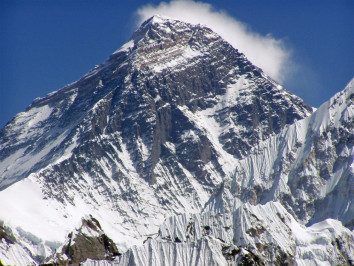
Mount Everest is famous for its towering peaks and extreme conditions — but every expedition must also solve an unglamorous, practical problem: how to go to the bathroom. This article walks you through what toilets look like at Base Camp, how climbers manage waste at higher camps and during summit pushes, the environmental impacts, and practical tips for staying clean and healthy on the mountain.
Table of Contents
1. Toilets at Everest Base Camp (5,364 m)
Base Camp is the most organised place on the mountain and most commercial expeditions provide toilet facilities here. Compared to higher camps, EBC can offer relative comfort and privacy.
Common Base Camp toilet systems
- Barrel toilets: Large plastic or polyethylene barrels with a seat enclosed in a dedicated tent. Waste is collected inside liners/bags for later removal.
- Portable cabin / box toilets: Rigid lightweight units sometimes used by larger support teams (less common than barrels due to weight).
- Deep pit (traditional): A hole dug into moraine or ground under a wooden platform — becoming less common due to environmental concerns.
Maintenance and cleaning
Expedition staff and local support teams regularly replace liners, disinfect surfaces, and move collected waste to a central point (often Gorak Shep) for responsible disposal off the glacier.
2. Camp I & Camp II — Basic toilet tents and buckets
Once the climb moves above Base Camp, provisions grow simpler. Camps I and II often have small tented toilet areas that use buckets, barrels or reinforced wag-bag systems.
How they work
- Tent or sheltered spot with a seat and a bucket or lined container.
- Waste is sealed in heavy-duty bags and carried down by support staff when possible.
- Privacy is limited but the system keeps waste contained until it can be removed.
3. Camp III (7,200 m) — Very limited facilities
At Camp III, building and maintaining a proper toilet is difficult. Many teams ask members to use wag bags inside tents or to use a sheltered spot behind rocks with care.
4. Camp IV / The Death Zone (≈8,000 m) — No toilets
Camp IV on the South Col is in the “death zone.” Low oxygen, extreme cold, high winds and limited time mean there are effectively no permanent toilets here.
How climbers manage at Camp IV
- Wag bags: Special sealed bags (WAG bags) containing absorbent and solidifying agents. Used inside tents and carried down.
- Pee bottles: Wide-mouth bottles used by both men and women to urinate inside the tent and avoid leaving the shelter.
- Minimal solid food: Climbers often reduce heavy meals before summit pushes, which lowers the need for solid-waste disposal.
Leaving the tent to relieve yourself at Camp IV is dangerous. Frostbite, disorientation, and oxygen dependence make even short trips outside very risky.
5. Summit Push — What happens during the climb to the top?
On a summit attempt (often 8–12 hours), climbers typically do not use regular toilets. Management strategies include:
- Carrying pee bottles or urine funnels (for women) inside down suits.
- Using wag bags only in emergencies; most climbers try to avoid eating heavily during the push.
- Accepting that relief stops are rare — many plan hydration and food to minimise bathroom needs during the window.
6. Waste management & environmental impact
Everest historically suffered from pollution from abandoned equipment and human waste. In recent years governments, local authorities and expedition operators have implemented stricter rules.
Key management steps
- Use and carry out heavy-duty wag bags for solid waste.
- Bagged waste is frequently transported to Gorak Shep and then down to Kathmandu for proper disposal.
- Local rules increasingly require expedition teams to bring back a minimum weight of garbage and human waste — deposits and fines may apply for non-compliance.
As a result of these regulations and better practices, the mountain today is notably cleaner than it was in previous decades — but responsible behaviour remains essential.
7. Practical tips for climbers
- Bring certified WAG bags: Choose heavy-duty, cold-rated bags designed for high-altitude expeditions.
- Wide-mouth pee bottles: Avoid narrow-neck containers that are hard to use with gloves and in cold weather.
- Practice at home: If you plan to use a female urine funnel, practice before the trip for confidence and hygiene.
- Pack out solid waste: Do not leave bagged waste at high camps unless arranged by your expedition team for responsible removal.
- Sanitise often: Hand sanitiser and wet wipes are essential to avoid stomach infections in the field.
- Stay hydrated: It reduces the risk of altitude-related problems but increases the need for frequent urination — plan accordingly.
8. Gear checklist for bathroom needs
    • Certified wag bags (WAG bags) — multiple
    • Wide-mouth pee bottle(s)
    • Female urine funnel (if required) — practice using it beforehand
    • Hand sanitiser & antiseptic wipes
    • Small trowel (for lower camp use only where permitted)
    • Extra sealable plastic bags for double-bagging
9. Regulations & community efforts
Local authorities, park officials and mountain operators enforce regulations to reduce waste. Typical policies include mandatory waste removal, deposits, and occasional clean-up campaigns by volunteer groups and the Sagarmatha Pollution Control Committee (SPCC) and other organisations.
When booking an expedition, ask the operator about their waste policy: how they handle wag bags, who carries waste down, and whether they participate in community clean-ups.
10. Conclusion
Going to the bathroom on Everest requires planning, the right gear, and respect for the fragile high-altitude environment. From comfortable toilet tents at Base Camp to sealed wag bags inside the death zone, the systems in place prioritise climber safety and environmental protection. Responsible behaviour by climbers and expedition teams is the key to preserving the mountain for future generations.
Recent Posts
3rd Dec, 2025

19th Nov, 2025
19th Nov, 2025
27th Oct, 2025


28th Aug, 2025


.jpeg)