Established in 1973, Chitwan National Park is Nepal's first national park and a UNESCO World Heritage Site. Spanning 932 square kilometers in the Terai lowlands, it boasts a rich biodiversity, including over 190 Bengal tigers, one-horned rhinoceroses, elephants, and a myriad of bird species.
Established in 1973, Chitwan National Park is Nepal's first national park and a UNESCO World Heritage Site. Spanning 932 square kilometers in the Terai lowlands, it boasts a rich biodiversity, including over 190 Bengal tigers, one-horned rhinoceroses, elephants, and a myriad of bird species Experience the iconic Royal Bengal tiger and the unique wildlife and culture of Chitwan National Park. Jeep safaris, jungle walks, observation towers, canoe rides, and Tharu cultural experiences.
Established in 1973, Chitwan National Park is Nepal's first national park and a UNESCO World Heritage Site. The park covers 932 square kilometers of Terai lowlands and protects sal forests, riverine grasslands and wetlands nourished by rivers such as the Rapti, Reu and Narayani.
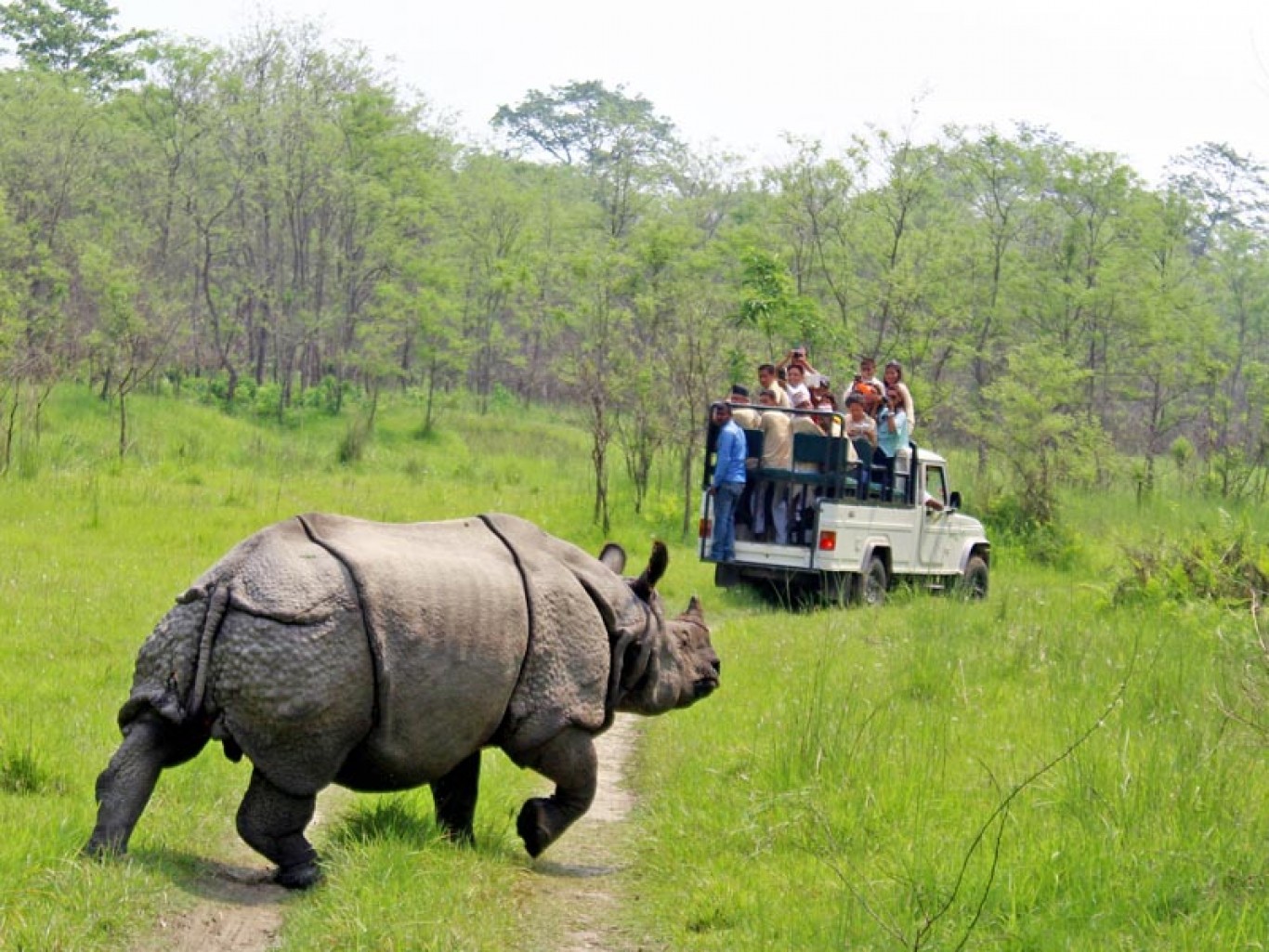
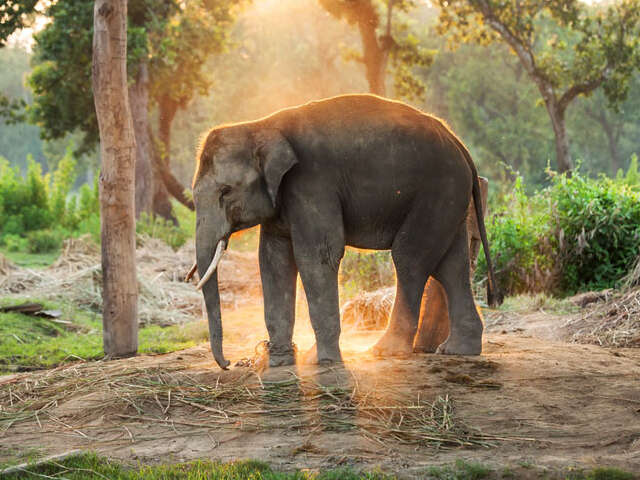
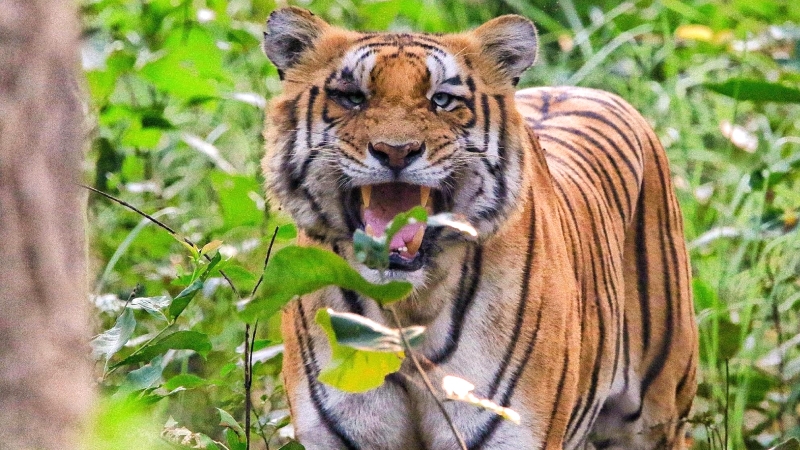
Chitwan hosts an extraordinary variety of wildlife: one-horned rhinoceros, Royal Bengal tigers, Asian elephants, gharial crocodiles, and more than 500 bird species. It’s one of South Asia’s best places for observing large mammals and diverse birdlife in a relatively compact area.
Combine early-morning and late-afternoon jeep safaris with guided jungle walks led by experienced naturalists. These guides know local trails and tiger sign locations (tracks, scrapes and scent marks) and will take you to well-known tiger habitats such as Vulke Salghari, Katan (Riu River), and Thulo Bhaluwahi to maximize sighting opportunities.
For a more immersive (and quieter) way to observe wildlife, book an overnight stay at a secure observation tower. Towers allow safe, elevated viewing of nocturnal activity and increase the chance of seeing mammals moving at dusk and night.
This popular short package typically includes:
Chitwan offers a range of lodges and eco-resorts near Sauraha and along the park boundary.
The prime season for tiger tracking and wildlife viewing is February to May. The climate is generally dry and animals concentrate near waterholes and rivers, improving chances of sightings. Winter (Dec–Feb) offers cool, clear weather and good visibility for birdwatching; monsoon months can make trails muddy and reduce jeep access.
Note: rates vary by operator, group size and included services. The following are ballpark figures for planning:
| Service | Estimated Price (per person) |
|---|---|
| Jeep safari & guided jungle walk (day) | $200–$300 |
| Overnight tower stay (12 hours) | ~$200 |
| 2-Night / 3-Day package (incl. meals & lodge) | From $150 |
Arrive in Sauraha (by road or flight to Bharatpur + transfer). Check-in, relax, short Tharu village visit in late afternoon and enjoy a traditional Tharu dance and dinner.
Pre-dawn jeep safari to search for big mammals and tiger signs. Return to lodge for breakfast. Mid-morning guided nature walk or birdwatching. Afternoon canoe trip on the Rapti River to view marsh birds and crocodiles. Optional evening observation tower visit.
Early morning jungle walk or jeep safari, followed by breakfast and departure to Bharatpur or Kathmandu.
Tiger sightings are rare and never guaranteed — Chitwan hosts wild tigers, but they are elusive. Guided safaris and observation towers improve your chances.
Yes—when you follow park rules and your guide’s instructions. Never stray from designated trails or approach wildlife on your own.
By road: ~5–6 hour scenic drive. By air: ~25-minute flight to Bharatpur Airport plus a short transfer to Sauraha.



Enjoy the popular trekking and tour packages in Nepal Himalayas.
















© Copyright 2010 - 2026 Actual Adventure Pvt Ltd Developed By: Xenatech Nepal