Why the Kathmandu Valley is More Than Just a Gateway to the Himalayas
12th Jan, 2014
The Hidden Magic of Kathmandu Valley
Introduction
The Kathmandu Valley is often described as the cultural and spiritual heart of Nepal, a place where ancient temples rise alongside quiet farming villages and mountain vistas open up around every bend. For many travelers, the valley is the starting point for Himalayan journeys—but for those who take the time to explore deeply, Kathmandu Valley offers a world of unspoken beauty, rustic charm, and meditative calm that cannot be captured in guidebooks.
Table of Contents
This is not just about visiting monuments or checking off must-see attractions—it’s about walking slowly through terraced fields, listening to the rhythm of village life, and experiencing the valley as locals do.
Vistas Beyond Words
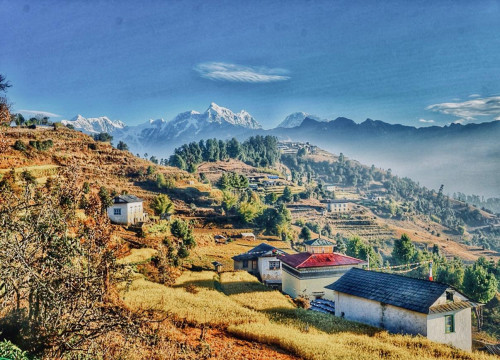
The landscapes of Kathmandu Valley are too majestic for words. One moment you are standing on a hilltop looking down upon a quilt of mustard-yellow fields; the next, you are weaving through terraces of green corn and golden wheat, shimmering in the afternoon sun. The silence is profound, broken only by the laughter of children, the crow of far-away roosters, the bleating of baby goats, and the songs of birds carried on the breeze.
In these moments, it feels as though time has slowed down, giving you space to breathe, reflect, and simply be.
Life in the Villages
The villages scattered throughout the valley are alive with daily rhythms that speak of resilience and tradition. You’ll see bent women and children carrying bundles of firewood that seem too heavy for their frames, yet they move with grace and determination. Shepherds guide their flocks through stone-studded lanes, while elders sit in shaded courtyards spinning prayer wheels or sharing quiet conversations.
It is in these everyday scenes that the true soul of Nepal reveals itself—not in tourist sites, but in the dignity of ordinary life.
The Secret Paths of Kathmandu Valley
Traveling with a local guide like Depak opens doors to experiences most travelers never see. He knows the shortcuts and hidden trails, paths that wind through forests, rustic hamlets, and panoramic ridges overlooking the valley. These routes are absent from travel books, but they are alive with stories and unexpected discoveries.
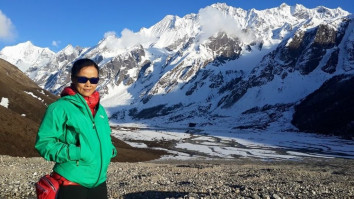
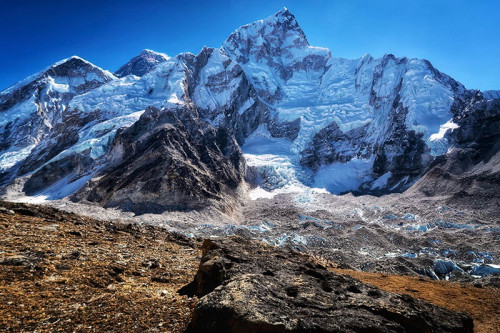
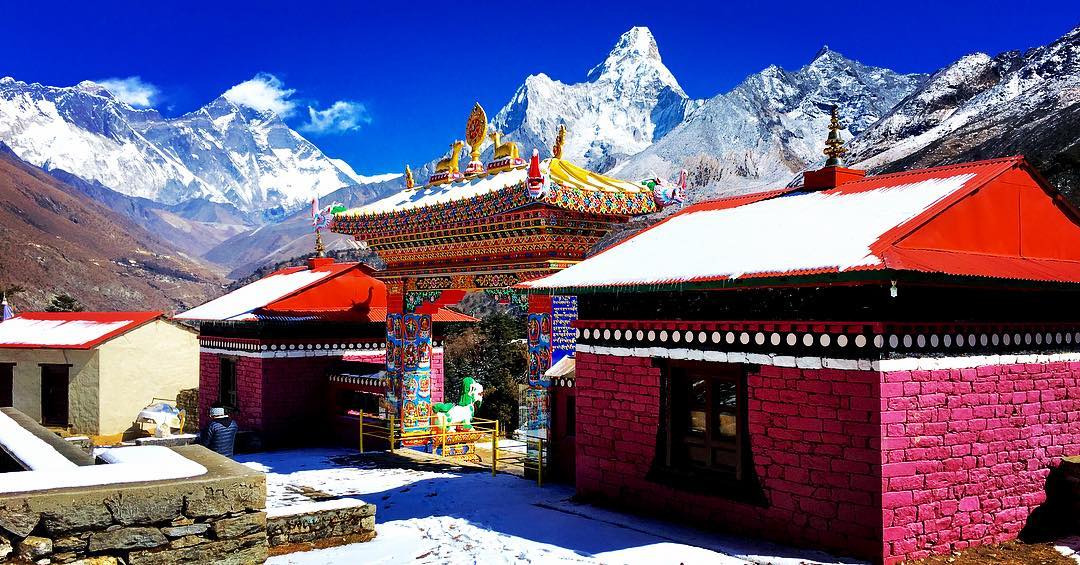
One moment you may find yourself on a ridge gazing at the snow-draped Himalayas, the next in a quiet monastery courtyard where monks are chanting their evening prayers. Each path reveals a new perspective on the valley, a fusion of nature, culture, and spirituality.
A Valley That Invites Meditation
There is something about Kathmandu Valley that naturally calls you inward. Surrounded by sacred shrines, prayer flags fluttering in the wind, and the stillness of terraced hills, you cannot help but slow down.
Here, you find yourself meditating without trying, praying without words, and allowing your thoughts to dissolve into the beauty of the moment. The valley itself becomes a living temple, a place where silence speaks louder than noise, and the mind naturally settles into calm.
A Journey to Share
As magical as these moments are, they carry a quiet longing. “I so wish you were here to share in this wonderment,” becomes the thought echoing in your heart. The experience of walking through Kathmandu Valley—its fields, villages, and trails—feels deeply personal yet universally inviting.
To witness this beauty is an honor, one that reminds you how travel is not about places alone, but about connection—to the land, to its people, and to yourself.
1. Top Villages to Explore in the Kathmandu Valley
Kathmandu Valley is not just about ancient temples and bustling markets—it is also home to charming villages that preserve traditional Newari and Tamang lifestyles. Villages like Bhaktapur, Bungamati, Khokana, and Panauti are living museums where cobblestone streets, brick houses, and centuries-old temples create a timeless atmosphere. In Bhaktapur, the medieval Durbar Square and pottery square are major highlights. Bungamati and Khokana offer a glimpse into authentic rural life, where farmers tend mustard fields and artisans carve wood in small workshops. Panauti, with its sacred river confluence and hidden shrines, is a favorite for those seeking spiritual tranquility. Exploring these villages lets you experience the soul of the valley—where culture, history, and everyday life merge seamlessly.
2. Spiritual Walks Around Kathmandu: Off the Beaten Paths
For travelers seeking peace and reflection, Kathmandu Valley offers spiritual walking routes that blend nature with sacred heritage. Trails around Pharping, for example, take you to meditation caves where Guru Padmasambhava is believed to have meditated. In Nagarkot to Changu Narayan, the hike combines stunning mountain vistas with one of the valley’s oldest Hindu temples. Likewise, a walk through Namobuddha Monastery connects you with one of Buddhism’s most revered pilgrimage sites, while the surrounding hills provide serene landscapes for meditation. These spiritual walks are more than exercise—they invite you to slow down, breathe deeply, and immerse yourself in the sacred energy of the valley.
3. Why the Kathmandu Valley is More Than Just a Gateway to the Himalayas
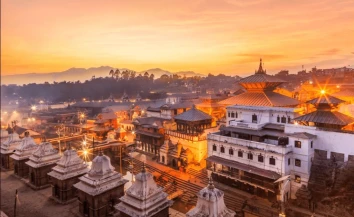
Most international visitors land in Kathmandu and think of the valley as simply the starting point for treks to Everest, Annapurna, or Langtang. But the Kathmandu Valley is a destination in its own right. It houses seven UNESCO World Heritage Sites, including Swayambhunath (the Monkey Temple), Boudhanath Stupa, and Pashupatinath Temple. Beyond the monuments, the valley offers rich art, cuisine, festivals, and traditional crafts. Each season brings its own color—spring with rhododendrons and mustard fields, autumn with harvest festivals, and winter with clear mountain views. Rather than rushing through, spending time in the valley reveals why it is the cultural, historical, and spiritual heart of Nepal, offering a depth of experience equal to any Himalayan trek.
Conclusion
The Kathmandu Valley is more than a destination—it is a meditation in motion, a landscape that invites reflection, gratitude, and awe. Its beauty lies not only in its famous temples and monuments but in the simple, unrecorded details of daily life: a child’s laughter, the scent of mustard flowers, the quiet footsteps along ancient stone paths.
To walk here is to walk through a living story of Nepal, one that continues to unfold with each step.
Recent Posts



8th Feb, 2026

6th Feb, 2026