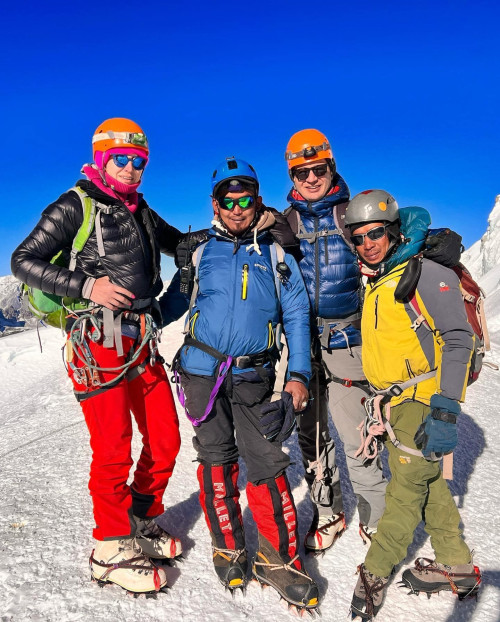
Nepal trekking is one of the most rewarding adventure experiences in the world, offering travelers the chance to explore the Himalayan landscape, ancient mountain cultures, and diverse trekking routes suitable for all experience levels. Trekking in Nepal ranges from easy scenic walks to challenging high-altitude journeys, making the country a top destination for both beginners and seasoned trekkers seeking the best trekking in Nepal. With well-established trails, teahouse accommodations, and experienced local professionals, travelers can choose from a wide range of Nepal trekking packages designed for comfort, safety, and authentic experiences. Understanding Nepal trekking seasons is essential, as spring and autumn provide the best weather and mountain views, while winter and monsoon offer quieter trails in select regions. All treks require official Nepal trekking permits, which vary by region and are regulated to ensure sustainable and responsible tourism. The overall Nepal trekking cost depends on factors such as trek duration, region, accommodation type, and level of service, yet Nepal remains one of the most affordable high-mountain trekking destinations globally. Choosing guided trekking in Nepal enhances safety, cultural understanding, and logistical ease, while also supporting local communities, making Nepal trekking a complete and unforgettable Himalayan adventure. Nepal trekking is one of the most iconic adventure travel experiences in the world. From walking beneath the world’s highest mountains to exploring remote Himalayan villages, trekking in Nepal offers a rare combination of natural beauty, cultural depth, and authentic mountain life. This Nepal Trekking Guide is designed as a complete, up-to-date resource for travelers, adventure seekers, and planners looking to understand trekking in Nepal in detail.
Nepal is home to eight of the world’s fourteen highest peaks, including Mount Everest, and offers hundreds of trekking routes ranging from easy scenic walks to high-altitude alpine adventures. Whether you are a first-time trekker or an experienced mountaineer, best trekking in Nepal is defined by variety, safety, and unforgettable landscapes.
Table of contents Show
 Why Nepal Trekking Is World-Famous
Trekking in Nepal is globally recognized because of its unmatched diversity. In a single trek, you may pass through subtropical forests, terraced farmlands, alpine valleys, glacial rivers, and snow-covered mountain passes. Along the way, trekkers experience ancient monasteries, prayer flags, stone villages, and warm Himalayan hospitality.
Nepal also offers one of the world’s best trekking infrastructures, including teahouse lodges, trained local guides, regulated permits, and clearly established trekking trails. These features make guided trekking in Nepal both accessible and safe compared to other high-mountain destinations.
Best Trekking Regions in Nepal
The Himalayan geography of Nepal is divided into several major trekking regions, each offering unique landscapes, cultures, and trekking experiences. Understanding these regions helps travelers choose the best trekking in Nepal based on fitness level, time, and interest.
Nepal offers a wide range of iconic trekking destinations, each with its own unique landscape and cultural richness, making trekking in Nepal one of the world’s most diverse adventure experiences. The Everest Region trekking is the most famous, highlighted by the legendary Everest Base Camp trek, spectacular views of Mount Everest, Ama Dablam, Lhotse, and Nuptse, and deep exposure to Sherpa culture and Himalayan Buddhism. Equally popular, Annapurna Region trekking is known for its exceptional variety, featuring classic routes such as the Annapurna Base Camp trek, Annapurna Circuit trek, and Ghorepani Poon Hill trek, offering dramatic mountain scenery, varied terrain, and comfortable teahouse trekking. For travelers seeking quieter trails close to the capital, Langtang Region trekkingprovides scenic Himalayan valleys, moderate trekking difficulty, and authentic Tamang culture, making it ideal for those wanting a less crowded experience. Beyond the main regions, restricted and remote area trekking in Nepal opens access to untouched landscapes through routes like the Manaslu Circuit trek, Upper Mustang trek, Upper Dolpo trek, and Kanchenjunga region, where special permits and licensed guides are required but trekkers are rewarded with preserved traditions, raw natural beauty, and true off-the-beaten-path adventure.
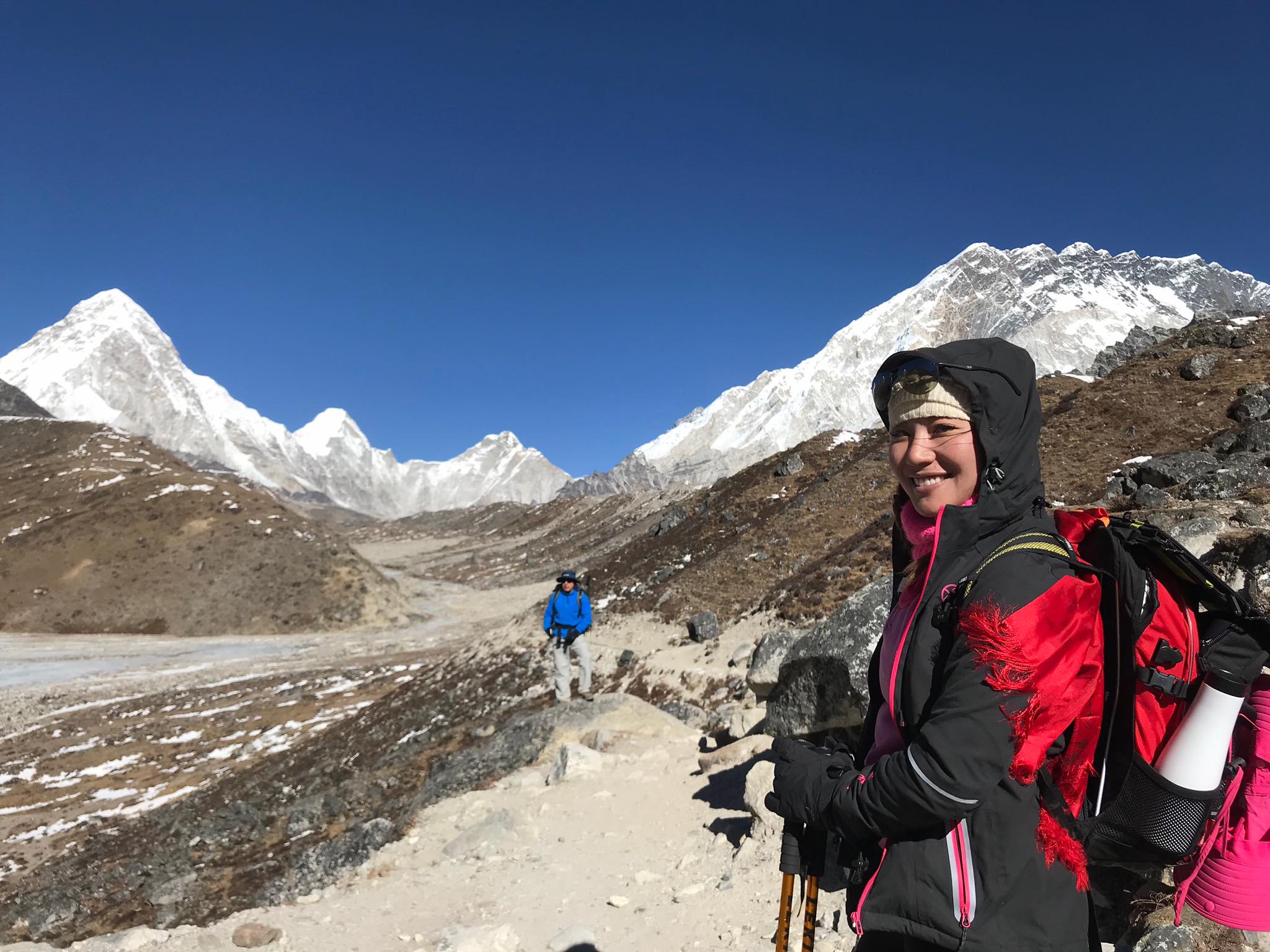 Everest Region Trekking 2026
Everest Region Trekking is one of the most iconic Himalayan adventures, centered around the world-famous Everest Base Camp trek, which takes trekkers deep into the heart of the Khumbu region beneath Mount Everest. This journey combines dramatic mountain scenery, Sherpa culture, ancient monasteries, and high-altitude landscapes, making it one of the most sought-after trekking experiences on earth. A typical Everest Base Camp trek itinerary lasts 12–14 days and includes proper acclimatization to manage EBC trek difficulty, which is considered moderate but physically demanding due to altitude. The overall Everest Base Camp trekking cost depends on trek duration, guide services, accommodation level, and season, while required Everest trekking permits are regulated to ensure safety and conservation. Beyond EBC, trekkers can explore alternative routes such as the scenic Gokyo Lakes trek and the challenging Three Passes trek, both offering quieter trails and panoramic Himalayan views. Many travelers choose professionally designed Everest trekking packages, which often combine trekking with nearby peak climbing options such as for a complete high-altitude adventure.
Annapurna Region Trekking 2026
Annapurna trekking is known for its incredible diversity, offering everything from short scenic hikes to long, high-mountain crossings within the Annapurna Conservation Area. Popular routes include the classic Annapurna Base Camp trek, the high-altitude Annapurna Circuit trek, and the short yet rewarding Ghorepani Poon Hill trek, each providing stunning mountain views and rich cultural encounters. The region is ideal for travelers seeking short treks in Nepal as well as those looking for easy trekking in Nepal, thanks to well-developed trails and teahouse infrastructure. Annapurna trekking cost varies based on route length, accommodation standard, and guide services, but it remains one of the most cost-effective trekking regions in the Himalayas. With its mix of accessibility, comfort, and scenery, Annapurna trekking is suitable for first-time trekkers, families, and experienced hikers alike.
Restricted & Remote Treks in Nepal
Restricted area trekking Nepal offers a true off-the-beaten-path experience for trekkers seeking untouched landscapes and preserved mountain cultures. These remote regions include iconic routes such as the Manaslu Circuit trek, the trans-Himalayan Upper Mustang trek, and the wild, isolated Upper Dolpo trek, each requiring special government authorization. A restricted trekking permit Nepal is mandatory for these areas, and trekkers must travel with a licensed guide to ensure safety and compliance. Remote area trekking Nepal is characterized by fewer crowds, limited infrastructure, longer trekking days, and a deeper sense of exploration, making it ideal for experienced trekkers who want a more authentic and less commercial Himalayan journey. While logistics and costs are higher compared to standard routes, restricted and remote treks deliver unmatched cultural depth and raw natural beauty.
Nepal Trekking Seasons – Best Time to Trek in Nepal
Choosing the right season is essential for a successful Nepal trekking experience. The country experiences four main seasons, each offering different trekking conditions.
Spring Season (March to May)
Spring is one of the most popular Nepal trekking seasons. The weather is stable, temperatures are moderate, and rhododendron forests bloom across the hills. This season is ideal for both low-altitude and high-altitude treks.
Autumn Season (September to November)
Autumn is considered the best trekking season in Nepal. Clear skies, excellent mountain visibility, and comfortable temperatures make this the peak season for Everest, Annapurna, and Langtang treks.
Winter and Monsoon Trekking
Winter trekking is suitable for lower-altitude routes, while monsoon trekking works well in rain-shadow regions such as Upper Mustang. With proper planning, trekking in Nepal is possible year-round.
Nepal Trekking Difficulty Levels
One of the strengths of trekking in Nepal is the wide range of difficulty levels. Treks are generally categorized as easy, moderate, or challenging.
- Easy Treks: Short routes, lower altitude, suitable for beginners and families
- Moderate Treks: Multi-day treks with altitude gain, such as Everest Base Camp
- Challenging Treks: High passes, remote regions, and long trekking days
Nepal Trekking Permits Explained
All trekkers must obtain official Nepal trekking permits before starting their journey. Permit requirements depend on the trekking region.
Common permits include the Trekker’s Information Management System (TIMS) card, National Park permits, Conservation Area permits, and Restricted Area permits. Booking through a licensed agency ensures that all Nepal trekking permits are arranged legally and efficiently.
Nepal Trekking Cost – What to Expect
Nepal trekking cost varies depending on the region, duration, level of comfort, guide and porter services, and season. Nepal remains one of the most affordable high-mountain trekking destinations in the world.
Budget trekking typically includes basic teahouse accommodation and local meals, while premium and luxury options include upgraded lodges, private transport, and personalized service. Understanding Nepal trekking cost helps travelers plan realistically and avoid unexpected expenses.
Nepal Trekking Packages
Nepal trekking packages are designed to simplify planning and ensure safety. Packages generally include permits, accommodation, transportation, guides, and logistics. Trekking packages range from budget-friendly options to luxury trekking experiences.
Choosing professionally designed Nepal trekking packages allows trekkers to focus on the experience rather than logistics, especially in high-altitude or remote regions.
Guided Trekking in Nepal – Why It Matters
Guided trekking in Nepal significantly enhances safety, cultural understanding, and overall enjoyment. Licensed guides provide route knowledge, altitude management, emergency support, and local insight.
Since regulations require guides in many regions, guided trekking in Nepal also ensures legal compliance while supporting local employment and mountain communities.
Tea House Trekking vs Camping Trekking
Most popular trekking routes in Nepal offer teahouse trekking, which provides basic but comfortable accommodation along the trail. Camping trekking is used in remote regions and offers a more expedition-style experience with full logistical support.
Safety, Altitude & Responsible Trekking
Safety is a key aspect of successful Nepal trekking. Proper acclimatization, hydration, experienced guides, and responsible planning significantly reduce risks associated with altitude.
Responsible trekking also involves respecting local culture, minimizing environmental impact, and supporting sustainable tourism practices.
Why Choose a Local Trekking Agency in Nepal
Working with a local trekking agency ensures expert knowledge, ethical practices, fair pricing, and direct contribution to local economies. Local operators understand real-time trail conditions, permit updates, and safety requirements.
Final Thoughts – Planning Your Nepal Trekking Adventure
Nepal trekking remains one of the most rewarding travel experiences on earth. With diverse routes, rich culture, and accessible adventure, trekking in Nepal offers something for every traveler.
Whether you seek the best trekking in Nepal, flexible trekking packages, or fully guided Himalayan journeys, Nepal continues to define what true mountain adventure means.
Nepal trekking is one of the world’s greatest adventure experiences, offering dramatic Himalayan landscapes, rich cultural encounters, and trekking routes suitable for beginners to seasoned mountaineers. Home to eight of the world’s fourteen highest peaks, including Mount Everest, Nepal attracts trekkers from across the globe seeking authentic mountain journeys, scenic trails, and warm Himalayan hospitality.
Why Trekking in Nepal Is So Popular
Trekking in Nepal is popular due to its unmatched diversity. Within a single trek, you can walk through lush forests, high alpine valleys, traditional villages, ancient monasteries, and snow-capped mountain passes. Nepal also offers well-established trekking infrastructure, experienced local guides, teahouse accommodations, and clearly marked trails, making it one of the safest and most rewarding trekking destinations in the world.
Best Trekking Regions in Nepal
Nepal trekking routes are divided into several iconic regions, each offering unique landscapes and cultural experiences.
Everest Region Trekking
The Everest region is famous for the Everest Base Camp trek, Gokyo Lakes trek, and Three Passes trek. This region offers breathtaking views of Mount Everest, Lhotse, Ama Dablam, and Nuptse, along with Sherpa culture and historic monasteries.
Annapurna Region Trekking
Annapurna trekking includes classic routes such as the Annapurna Circuit trek, Annapurna Base Camp trek, and Ghorepani Poon Hill trek. It is known for its diverse terrain, panoramic mountain views, and comfortable teahouse trekking experience.
Langtang Region Trekking
Langtang Valley trekking is ideal for those seeking a quieter experience close to Kathmandu. It offers spectacular mountain scenery, Tibetan-influenced culture, and moderate trekking difficulty.
Restricted and Remote Area Trekking
Remote trekking areas such as Manaslu Circuit, Upper Mustang, Upper Dolpo, and Kanchenjunga provide off-the-beaten-path adventures. These treks require special permits and a licensed guide but reward trekkers with untouched landscapes and preserved traditions.
Best Time for Trekking in Nepal
The best seasons for trekking in Nepal are spring (March to May) and autumn (September to November). Spring offers blooming rhododendron forests and stable weather, while autumn provides crystal-clear mountain views and ideal trekking conditions. Winter trekking is possible on lower-altitude routes, while monsoon trekking suits rain-shadow areas such as Upper Mustang.
Nepal Trekking Difficulty Levels
Nepal trekking routes range from easy to highly challenging, allowing trekkers of all fitness levels to participate.
- Easy Treks: Ghorepani Poon Hill, Langtang Valley, short Annapurna treks
- Moderate Treks: Everest Base Camp, Annapurna Base Camp, Manaslu Circuit
- Challenging Treks: Three Passes trek, Upper Dolpo, Kanchenjunga trek
Nepal Trekking Permits
Trekking in Nepal requires government-issued permits depending on the region. Common permits include the Trekker’s Information Management System (TIMS) card, National Park permits, and Restricted Area permits. A registered trekking agency arranges all required permits to ensure a smooth and legal trekking experience.
Cost of Trekking in Nepal
The cost of trekking in Nepal depends on trek duration, region, accommodation standard, guide and porter services, and permit fees. On average, trekking costs range from budget-friendly teahouse treks to luxury trekking packages with premium lodges and private services.
Tea House vs Camping Trekking
Most popular trekking routes in Nepal offer teahouse trekking, providing comfortable lodges with meals along the trail. Camping trekking is typically required for remote and less-developed routes and offers a more adventurous, fully supported trekking experience.
Guided Trekking in Nepal
Hiring a licensed trekking guide in Nepal enhances safety, cultural understanding, and overall enjoyment. Guides assist with navigation, altitude acclimatization, local insights, and emergency response. Hiring local guides and porters also supports Nepal’s mountain communities.
Luxury and Budget Trekking Options
Nepal trekking is flexible for all travel styles. Budget trekkers can enjoy affordable teahouse trekking, while luxury trekking offers high-end lodges, private transport, gourmet meals, and personalized service in regions such as Everest and Annapurna.
Is Trekking in Nepal Safe?
Trekking in Nepal is generally safe when planned properly. Choosing the right season, acclimatizing correctly, trekking with experienced guides, and using reliable trekking agencies significantly reduce risks. Nepal has a long history of hosting international trekkers safely.
Why Choose a Local Trekking Agency in Nepal
Booking trekking in Nepal with a local agency ensures expert planning, competitive pricing, ethical tourism practices, and direct support to local communities. Local agencies provide real-time updates, professional guides, and authentic Himalayan experiences.
Plan Your Nepal Trekking Adventure
Whether you are planning your first trek or a challenging Himalayan journey, Nepal trekking offers endless possibilities. From classic Everest and Annapurna treks to remote hidden valleys, Nepal remains the ultimate destination for trekking enthusiasts worldwide.