The Easiest 7000m Summit? How to book 7000m peak in Nepal
 Kedar Neupane
14th Oct, 2025
Kedar Neupane
14th Oct, 2025
Kedar Neupane
I am Kedar Neupane, a passionate traveler, entrepreneur, mentor, and social contributor, born and raised in a village near the Nepal-China border in Sindhupalchok, Nepal. With a Master’s degree in Business from Tribhuvan University and Level 2 proficiency in the German language, I have dedicated my life to tourism, trade, mentorship, and holistic well-being.
🌍 A Global Explorer with a Vision
Having explored 26+ countries, I have gained profound insights into diverse cultures, business landscapes, and global tourism. My travels have taken me to:
🇹🇭 Thailand | 🇧🇹 Bhutan | 🇲🇾 Malaysia | 🇸🇬 Singapore | 🇨🇳 China | 🇭🇰 Hong Kong | 🇩🇪 Germany | 🇵🇱 Poland | 🇦🇹 Austria | 🇨🇭 Switzerland | 🇭🇺 Hungary | 🇳🇱 Netherlands | 🇧🇪 Belgium | 🇫🇷 France | 🇦🇪 UAE | 🇬🇧 UK | 🇺🇸 USA | 🇹🇷 Turkey | 🇶🇦 Qatar | 🇮🇳 India | 🇮🇩 Indonesia | 🇨🇦 Canada
Through my journeys, I have developed a deep appreciation for cultural exchange, adventure tourism, and sustainable business practices.
🏔️ Entrepreneurial & Professional Journey
I am actively involved in tourism, trade, and mentorship, leading multiple ventures that promote sustainable travel, adventure tourism, and business development:
✔ Founder & MD – Actual Adventure Pvt. Ltd. (A leading adventure travel company in Nepal)
✔ CEO – Himalayas Destination Management Company (Creating premium travel experiences)
✔ MD – Nepal Export & Import Pvt. Ltd. (Promoting Nepalese products globally)
✔ MD – Actual Mentor Pvt. Ltd. (Empowering entrepreneurs and professionals)
✔ Chairman – World Expedition Nepal (Focusing on high-altitude expeditions and trekking)
Through my entrepreneurial journey, social contributions, global explorations, and commitment to lifelong learning, I strive to inspire others to pursue their passions while making a meaningful difference. My dream is to build a world where travel, business, and holistic well-being come together, fostering growth, sustainability, and happiness for all.
What is the easiest 7000 meter peak to climb?
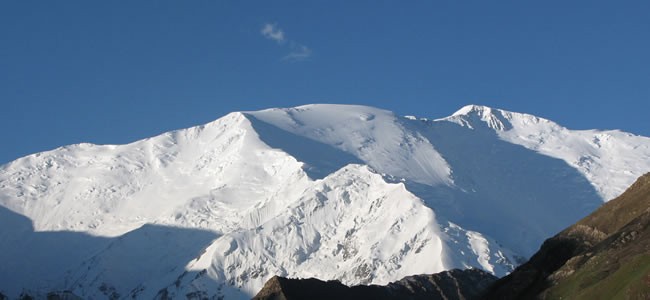
When it comes to climbing your first 7000-meter peak, two mountains are often recommended: Mera Peak (6,476 m) in Nepal and Lenin Peak (7,134 m) on the Kyrgyzstan-Tajikistan border. Both provide excellent opportunities for climbers to gain high-altitude experience with minimal technical difficulties, although each offers a slightly different adventure.
Table of Contents
 1. Mera Peak – Nepal’s Highest Trekking Peak
-
Height: 6,476 m
-
Difficulty: Easy to moderate
-
Route Type: Trekking with some snow/ice slopes
-
Best For: First-time high-altitude climbers
-
Why it’s easy: The ascent is mostly non-technical, with well-marked trekking routes, established base camps, and minimal glacier travel. Guided expeditions provide full support, making it highly suitable for beginners.
-
Benefits: Offers spectacular Himalayan views, including Everest, Lhotse, Cho Oyu, Makalu, and Kanchenjunga. Great for acclimatization and gaining confidence before attempting higher or more technical peaks.
2. Lenin Peak – High-Altitude Practice for 7000m+ Climbs
-
Height: 7,134 m
-
Difficulty: Moderate (non-technical)
-
Route Type: Mostly snow and ice slopes, some crevasse navigation
-
Best For: Climbers aiming for 7000–8000 m expeditions as practice
-
Why it’s easy: The classic north route is a gradual ascent with a fixed base camp system and good logistical support. While slightly more challenging than Mera Peak due to higher altitude, it requires only basic mountaineering skills, crampons, and ice axes.
-
Benefits: Excellent preparation for future 8000m climbs like Cho Oyu or Everest. Offers breathtaking views of the Pamir Mountains. Climbers can experience extreme altitude, strong winds, and glacial terrain in a controlled environment.
Why These Peaks Are Ideal for Beginners
-
Minimal Technical Difficulty: No advanced rock climbing is required.
-
Gradual Acclimatization: Both mountains have staged camps that allow the body to adapt to high altitudes.
-
Guided Support: Expeditions provide tents, food, and safety equipment, reducing risks for first-time climbers.
-
Practice for Future Expeditions: Especially Lenin Peak, which crosses the 7000m mark, is perfect for learning high-altitude techniques and endurance.
Quick Comparison Table
| Peak Name | Height | Location | Difficulty | Best For | Key Benefit |
|---|---|---|---|---|---|
| Mera Peak | 6,476 m | Nepal, Khumbu region | Easy to Moderate | Beginners & trekking climbers | Himalayan views & trekking peak experience |
| Lenin Peak | 7,134 m | Kyrgyzstan-Tajikistan | Moderate | Practice for 7000–8000 m climbs | High-altitude experience & Pamir mountain scenery |
Final Advice
For climbers seeking their first 7000m adventure, Mera Peak is perfect for a gentle introduction, while Lenin Peak is an excellent next step for practicing high-altitude climbing, acclimatization, and expedition techniques. Both peaks prepare climbers for the challenges of 7000–8000 m mountains, allowing you to safely experience extreme altitude with manageable technical difficulty.
Climbing a 7000-meter peak is a significant achievement for mountaineers. These peaks require proper preparation, acclimatization, and determination. Among the 7000m mountains of the Himalayas, one peak stands out as the most accessible for climbers with experience at high altitudes but limited technical expertise: Cho Oyu (8,188m) often features in discussions about easier high-altitude ascents.
Why Climbers Choose the Easiest 7000m Peaks
Climbers targeting a first-time high-altitude expedition or looking for experience before attempting 8000m peaks usually prefer the easiest 7000m mountains. The key factors include:
- Minimal technical climbing requirements
- Less exposure to extreme weather
- Good access to base camps and rescue options
- Gradual acclimatization opportunities
Recommended Easiest 7000m Summit: Mera Peak
For most climbers aiming for a genuine 7000m summit, Mera Peak (6,476m in Nepal) is considered the easiest. Although technically just below 7000m, it is the highest trekking peak in Nepal, and its climb provides invaluable high-altitude experience. The climb is non-technical, involves basic ice climbing, and can be achieved without advanced mountaineering skills.
Mera Peak Overview:
| Peak Name | Height | Location | Difficulty | Best Season |
|---|---|---|---|---|
| Mera Peak | 6,476m | Nepal, Khumbu region | Easy to Moderate | Spring (Mar-May) & Autumn (Sep-Nov) |
| Island Peak (Imja Tse) | 6,189m | Nepal, Everest region | Moderate | Spring & Autumn |
Preparation Tips for the Easiest 7000m Summit
- Engage in cardiovascular training and strength conditioning for at least 3–4 months before your climb.
- Practice trekking at high altitudes to adapt your body gradually.
- Learn basic rope techniques if the route includes glacier travel.
- Choose a reputable guide service to ensure safety and logistics support.
- Acclimatize properly with rest days at intermediate camps.
Frequently Asked Questions about Climbing the Easiest 7000m Peak
Q1: What is the easiest 7000m peak in Nepal?
A: The easiest 7000m peak in Nepal is Mera Peak (6,476m). While technically slightly below 7000m, it is the highest trekking peak in Nepal and offers a non-technical route. It involves trekking and basic ice climbing, with well-established base camps and logistics support. The summit provides panoramic views of Everest, Lhotse, Cho Oyu, Makalu, and Kanchenjunga.
Q2: Do I need mountaineering experience to climb Mera Peak?
A: Advanced mountaineering experience is not required. However, climbers should be fit, comfortable walking long distances, and familiar with trekking at high altitudes. Basic ice climbing training for crampons and ice axe use is recommended. Guided expeditions make the peak accessible for first-time high-altitude climbers, and proper acclimatization is essential to prevent altitude sickness.
Q3: How long does it take to climb Mera Peak?
A: The typical expedition lasts 18–20 days, including:
- Arrival in Kathmandu and gear preparation
- Flight to Lukla and trek to base camp
- Acclimatization days at intermediate camps
- Summit attempt, usually starting at midnight
- Descent back to Lukla
Q4: When is the best time to climb?
A: The ideal seasons are:
- Spring (March–May): Mild temperatures, rhododendron blooms, and clear skies.
- Autumn (September–November): Stable post-monsoon weather and excellent Himalayan visibility. Peak climbing season.
Q5: What is the level of technical difficulty?
A: Mera Peak is considered easy to moderate. Most of the climb is trekking, with some snow and ice slopes near the summit. No advanced rock climbing skills are required. Ice axe and crampon usage is recommended for safety on the summit ridge.
Q6: What kind of gear do I need?
A: Essential gear includes:
- High-altitude boots and warm clothing layers
- Crampons, ice axe, harness, and helmet
- Sleeping bag rated for -20°C
- Trekking poles, gloves, and headlamp
Q7: How do I prepare physically for the climb?
A: Training should focus on:
- Cardiovascular fitness (running, hiking, cycling)
- Leg and core strength (squats, lunges, step-ups)
- Long treks with a weighted backpack
- High-altitude trekking experience if possible
Q8: What is the risk of altitude sickness?
A: Altitude sickness is a major concern above 5,000m. Symptoms include headache, nausea, dizziness, and fatigue. Proper acclimatization, hydration, and gradual ascent are key to prevention. Guides monitor health and adjust itineraries to reduce risk. Severe cases may require descent to lower altitudes.
Q9: Is it suitable for beginners?
A: Yes, Mera Peak is suitable for beginners with good fitness and some trekking experience. Guided expeditions offer expert support, ensuring safety and structured acclimatization. Beginners should choose professional operators to maximize their chance of summiting safely.
Q10: How much does it cost to climb Mera Peak?
A: Expedition costs vary, typically ranging from $3,000–$5,000 USD per person for a 2–3 week guided trek. Costs include permits, guide and porter services, accommodation, meals, and equipment. Prices may vary depending on season, group size, and the quality of the operator.
Q11: Can I climb Mera Peak independently?
A: Independent climbs are technically possible, but not recommended. Mera Peak involves glacier travel, high-altitude navigation, and summit ice slopes. Hiring guides ensures safety, access to equipment, and better acclimatization management. Local regulations often require permits and guide services for trekking peaks.
Q12: What are the summit views like?
A: The summit offers breathtaking 360° views of the Himalayas, including peaks like Everest, Lhotse, Cho Oyu, Makalu, and Kanchenjunga. Sunrise from the summit is spectacular, making Mera Peak highly rewarding despite being non-technical. Many climbers consider it a perfect “introduction to the high Himalayas.”
Conclusion
Climbing a 7000-meter peak like Mera Peak is an excellent introduction to high-altitude mountaineering. It offers stunning Himalayan vistas, manageable challenges, and valuable experience for future expeditions. Proper preparation, acclimatization, and choosing the right season are key to a safe and successful climb.
For climbers looking for a truly accessible high-altitude adventure, Mera Peak is the perfect choice. Whether you aim to test your endurance or prepare for higher peaks, this summit provides both thrill and achievement.
Recent Posts

8th Feb, 2026

6th Feb, 2026