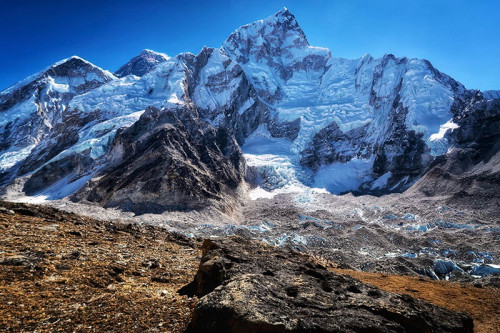
Ama Dablam: Nepal’s Legendary Peak of Beauty and Challenge

 Kedar Neupane
25th Jul, 2024
Kedar Neupane
25th Jul, 2024
Kedar Neupane
I am Kedar Neupane, a passionate traveler, entrepreneur, mentor, and social contributor, born and raised in a village near the Nepal-China border in Sindhupalchok, Nepal. With a Master’s degree in Business from Tribhuvan University and Level 2 proficiency in the German language, I have dedicated my life to tourism, trade, mentorship, and holistic well-being.
🌍 A Global Explorer with a Vision
Having explored 26+ countries, I have gained profound insights into diverse cultures, business landscapes, and global tourism. My travels have taken me to:
🇹🇭 Thailand | 🇧🇹 Bhutan | 🇲🇾 Malaysia | 🇸🇬 Singapore | 🇨🇳 China | 🇭🇰 Hong Kong | 🇩🇪 Germany | 🇵🇱 Poland | 🇦🇹 Austria | 🇨🇭 Switzerland | 🇭🇺 Hungary | 🇳🇱 Netherlands | 🇧🇪 Belgium | 🇫🇷 France | 🇦🇪 UAE | 🇬🇧 UK | 🇺🇸 USA | 🇹🇷 Turkey | 🇶🇦 Qatar | 🇮🇳 India | 🇮🇩 Indonesia | 🇨🇦 Canada
Through my journeys, I have developed a deep appreciation for cultural exchange, adventure tourism, and sustainable business practices.
🏔️ Entrepreneurial & Professional Journey
I am actively involved in tourism, trade, and mentorship, leading multiple ventures that promote sustainable travel, adventure tourism, and business development:
✔ Founder & MD – Actual Adventure Pvt. Ltd. (A leading adventure travel company in Nepal)
✔ CEO – Himalayas Destination Management Company (Creating premium travel experiences)
✔ MD – Nepal Export & Import Pvt. Ltd. (Promoting Nepalese products globally)
✔ MD – Actual Mentor Pvt. Ltd. (Empowering entrepreneurs and professionals)
✔ Chairman – World Expedition Nepal (Focusing on high-altitude expeditions and trekking)
Through my entrepreneurial journey, social contributions, global explorations, and commitment to lifelong learning, I strive to inspire others to pursue their passions while making a meaningful difference. My dream is to build a world where travel, business, and holistic well-being come together, fostering growth, sustainability, and happiness for all.
The Ama Dablam expedition itinerary 2026 is designed for experienced climbers seeking one of the most technical and visually stunning peaks in the Himalayas. Standing at 6,812 meters, Ama Dablam lies in Nepal’s Khumbu region and combines a classic Ama Dablam Base Camp trek and climb with exposed ridges, ice sections, and fixed-rope climbing. A full expedition generally lasts 28 to 32 days, allowing proper acclimatization and multiple summit attempts. Ama Dablam, also known as Amai Dablang and famously referred to as the “Matterhorn of the Himalayas,” is one of the most renowned peaks in the Himalaya range. It is the third most popular Himalayan peak for expeditions. Located in the Mahalangur subrange of the Nepalese Himalayas, Ama Dablam means “Mother’s Necklace.” The mountain's long ridges on either side are seen as the protective arms of a mother (ama), shielding her child. The hanging glaciers resemble a dablam, a traditional double pendant with a deity’s image, commonly worn by Sherpa women in Nepal.
Table of Contents
Ama Dablam (6812 m) is one of Nepal’s most famous technical peaks above Everest Base Camp. A standard expedition includes trekking into Base Camp, acclimatization rotations to higher camps, a summit window, and the return trek. Average trip durations are about 28 – 32 days.
Ama Dablam rises to an elevation of 6,812 meters (22,349 feet) above sea level, making it one of the most striking high peaks in the Himalayas. While it is not among the world’s 8,000-meter giants, Ama Dablam is exceptionally prominent visually and technically, which is why it holds such a strong reputation in mountaineering circles. The mountain’s topographic prominence is approximately 1,040 meters (about 3,410 feet), meaning it stands distinctly above the surrounding terrain rather than blending into a massive plateau.
What truly makes Ama Dablam prominent is its dramatic shape and position. It rises sharply above the Khumbu Valley, directly overlooking popular trekking routes between Namche Bazaar, Tengboche, and Dingboche. Its steep faces, narrow ridges, and hanging glaciers give it a towering presence that often makes it appear taller and more imposing than many higher peaks nearby. This combination of height, prominence, and aesthetic beauty is why Ama Dablam is frequently called the “Matterhorn of the Himalayas” and is considered one of the most iconic and photogenic mountains in Nepal.
Ama Dablam Overview
| Attribute | Details |
|---|---|
| About | Ama Dablam is a mountain in the eastern Himalayan range of Koshi Province, Nepal. The main peak is 6,812 metres, the lower western peak is 6,170 metres. Wikipedia |
| Elevation | 6,812 m |
| First ascenders | Barry Bishop, Mike Gill, Wally Romanes, Mike Ward |
| Mountain range | Himalayas |
| First ascent | 1961 |
| Prominence | 1,041 m |
| Coordinates | 27°51′40″N 86°51′40″E / 27.86111°N 86.86111°E |
| Easiest route | Rock/snow/ice climb |
| Other Name | Amai Dablang |
| Peak ID | AMAD |
| Status | Opened |
| Elevation | 6814 M / 22365 FT |
| Latitude | 27º 51' 40" |
| Longitude | 27º 51' 40" |
| History | 1st ascent on March 13,1961 by Mike Gill, Wally Romanes, Barry Bishop, Michael Ward |
Why is Ama Dablam so famous?
Ama Dablam, often referred to as the "Matterhorn of the Himalayas," is renowned for its stunning beauty and striking, symmetrical appearance. Its name translates to "Mother's Necklace," which reflects the extended ridges on each side like the arms of a mother (ama) protecting her child, and a hanging glacier (dablam) that resembles a traditional double-pendant containing pictures of the gods worn by Sherpa women. This picturesque peak is a prominent feature in the Everest region, captivating climbers and trekkers with its unique shape and challenging climbing routes.
Is Ama Dablam harder than Everest?
Ama Dablam is considered technically more challenging than Everest due to its steep, exposed routes and mixed climbing that includes rock, ice, and snow. While Everest presents extreme altitude and weather challenges, Ama Dablam requires a higher level of technical climbing skill, particularly on the final summit push. However, the overall climb is shorter and less physically demanding than Everest.
How long does it take to climb Ama Dablam?
Climbing Ama Dablam typically takes about 4-6 weeks, including time for acclimatization and setting up multiple camps on the mountain. The actual summit push from base camp generally spans around 4-5 days, depending on weather conditions and climber fitness.
Is Ama Dablam for beginners?
Ama Dablam is not suitable for beginners. It is considered a technically demanding peak that requires advanced climbing skills, including proficiency in rock and ice climbing, as well as experience with high-altitude mountaineering. Climbers attempting Ama Dablam should have a solid background in technical climbs and experience on other high-altitude peaks.
What is the hardest mountaineering in the world?
Opinions on the hardest mountaineering expedition vary, but several peaks are frequently cited:
K2 (8,611 meters, Pakistan/China): Known as the "Savage Mountain," K2 has a notorious reputation for its difficulty, steep sections, and high fatality rate.
Nanga Parbat (8,126 meters, Pakistan): Also called the "Killer Mountain," it has difficult routes and treacherous conditions.
Annapurna I (8,091 meters, Nepal): Despite being lower than Everest, it has one of the highest fatality rates among the 8,000-meter peaks.
Mount Everest (8,848 meters, Nepal/Tibet): While Everest is extremely popular, it still presents significant challenges due to its altitude and extreme weather conditions.
Who first climbed Ama Dablam?
Ama Dablam was first climbed on March 13, 1961, by Mike Gill (New Zealand), Barry Bishop (USA), Mike Ward (UK), and Wally Romanes (New Zealand) as part of a joint New Zealand-American expedition.
What is the death rate on Ama Dablam?
The death rate on Ama Dablam is relatively lower compared to other Himalayan peaks but still significant due to its technical difficulty. Historically, the fatality rate has been around 1-2% of climbers. However, precise statistics can vary with more recent data, considering the increased number of climbers and improved safety measures.
How much does Ama Dablam cost?
The cost of climbing Ama Dablam can vary widely depending on the expedition company, the level of support provided, and additional services. On average, the cost ranges from $6,000 to $15,000. This includes permits, guide fees, equipment, and other logistics.
Is Annapurna or Everest harder?
Comparing Annapurna and Everest in terms of difficulty is complex, as each presents unique challenges:
- Annapurna: Known for its high fatality rate, Annapurna is considered one of the deadliest peaks due to its unpredictable weather, frequent avalanches, and technically challenging routes.
- Everest: While Everest is the highest peak in the world and presents extreme altitude challenges, it is technically less difficult than Annapurna. The primary difficulties of Everest are its extreme altitude, weather conditions, and the physical endurance required.
In summary, Annapurna is often considered more dangerous due to its technical challenges and high fatality rate, whereas Everest is challenging due to its altitude and the physical demands of a longer expedition.
Ama Dablam Expedition Itinerary 2026
| Day | Activity | Overnight / Elevation |
|---|---|---|
| Day 01 | Arrival in Kathmandu, transfer to hotel | Kathmandu (1,350m) |
| Day 02 | Expedition briefing, permits, and equipment inspection | Kathmandu |
| Day 03 | Final logistics preparation | Kathmandu |
| Day 04 | Flight to Lukla, trek to Phakding | Phakding (2,610m) |
| Day 05 | Trek Phakding to Namche Bazaar | Namche Bazaar (3,440m) |
| Day 06 | Acclimatization day in Namche | Namche Bazaar |
| Day 07 | Trek Namche Bazaar to Tengboche | Tengboche (3,860m) |
| Day 08 | Trek Tengboche to Dingboche | Dingboche (4,410m) |
| Day 09 | Acclimatization hike above Dingboche | Dingboche |
| Day 10 | Trek Dingboche to Ama Dablam Base Camp | Base Camp (4,600m) |
| Day 11–26 | Acclimatization rotations, Camp I–III setup, summit window | Ama Dablam Camps |
| Day 27 | Descend to Pangboche | Pangboche (3,985m) |
| Day 28 | Trek Pangboche to Namche Bazaar | Namche Bazaar |
| Day 29 | Trek Namche Bazaar to Lukla | Lukla (2,800m) |
| Day 30 | Flight Lukla to Kathmandu | Kathmandu |
| Day 31 | Contingency / rest day | Kathmandu |
| Day 32 | Final departure from Nepal | — |
Fixed Departure Dates (2026)
| Season | Fixed Expedition Window | Typical Duration |
|---|---|---|
| Spring 2026 | 10 Apr – 09 May 2026 | ~28 days |
| Autumn 2026 | 10 Oct – 08 Nov 2026 | ~30 days |
| (Similar dates repeated each season in some operators) | Other April / October departures available | ~28 – 32 days |
These dates are popular for Ama Dablam climbing schedules and are frequently offered by expedition operators with group joining options and guided climbs
Best Season to Climb Ama Dablam
Autumn (September – November)
Autumn is widely considered the best season to climb Ama Dablam due to stable weather, clear skies, and lower wind speeds. Post-monsoon conditions provide excellent visibility and consistent summit windows, making this season the most popular among international climbers.
Spring (March – May)
Spring is the second-best season and features warmer trekking conditions and longer daylight hours. Snow accumulation can be higher at altitude, but conditions remain suitable for summit attempts, especially in late April and early May.
Ama Dablam Spring vs Autumn Expedition
-
Autumn: Higher summit success rate, clearer weather, colder nights
-
Spring: Warmer approach trek, more snow on route, slightly variable weather
Both seasons are ideal, but autumn is preferred for technical efficiency, while spring offers a quieter climbing environment.
Ama Dablam Climbing Schedule (Typical)
A standard Ama Dablam climbing schedule follows this structure:
- Days 1–3: Arrival in Kathmandu, expedition briefing, permit processing, gear check
- Days 4–8: Fly to Lukla and trek through Phakding and Namche Bazaar with acclimatization
- Days 9–11: Trek to Pangboche and Ama Dablam Base Camp
- Days 12–24: Acclimatization rotations between Camp I, Camp II, and Camp III
- Days 25–26: Summit window and descent to Base Camp
- Days 27–30: Trek back to Lukla, fly to Kathmandu, departure
This gradual approach ensures safety, proper acclimatization, and flexibility for weather changes.
Ama Dablam Base Camp Trek and Climb – What to Expect
The Ama Dablam Base Camp trek and climb follows the classic Everest region trail, passing through Sherpa villages, monasteries, and high alpine landscapes. Base Camp sits at approximately 4,600 meters, where climbers spend several days training, resting, and preparing for summit rotations. From Base Camp onward, the climb becomes highly technical, involving rock, snow, and ice climbing with fixed ropes.
Ama Dablam Expedition Cost 2026 (Per Head Estimate)
The cost per person for Ama Dablam expedition 2026 varies based on service level, guide support, and logistics.
Estimated Cost Range (USD)
- Full-service guided expedition:
- USD 7,000 – 10,000+ per person
- Basic expedition support package:
- USD 3,600 – 5,200 per person
Cost Usually Includes
- Government climbing permit (peak season)
- Sagarmatha National Park and trekking permits
- Domestic flights (Kathmandu–Lukla–Kathmandu)
- Base Camp accommodation and meals
- High-altitude Sherpa support and fixed ropes
- Expedition equipment (tents, kitchen, oxygen for emergency)
- Liaison officer and logistics management
Cost Usually Excludes
- International airfare
- Personal climbing gear and insurance
- Tips for guides and support staff
- Personal expenses and contingency days
A well-balanced, mid-range expedition with professional support typically averages USD 8,000 per head for 2026.
Final Notes for 2026 Climbers
- Expedition Duration: 28–32 days
- Skill Level: Advanced mountaineering experience required
- Best Choice: Autumn for stability, Spring for warmer conditions
- Booking Tip: Early booking is recommended due to limited permits and high demand
The Ama Dablam expedition 2026 is one of the most prestigious technical climbing experiences in the Himalayas, attracting seasoned mountaineers seeking both challenge and exceptional mountain beauty. Rising to 6,812 meters in Nepal’s Khumbu region, Ama Dablam combines a classic Everest-region approach trek with a highly technical alpine ascent that demands experience in rock, ice, and fixed-rope climbing. Most expeditions in 2026 are designed for a duration of approximately 28 to 32 days, allowing adequate time for acclimatization, route preparation, weather flexibility, and summit attempts. The expedition begins with the Ama Dablam Base Camp trek through Lukla, Namche Bazaar, Tengboche, and Pangboche before establishing Base Camp at around 4,600 meters, from where climbers carry out progressive rotations to higher camps.
Fixed departure dates for the Ama Dablam expedition 2026 are scheduled primarily during the two main climbing seasons, spring and autumn. Spring departures generally fall between mid-April and mid-May, with popular group departures around the third week of April, while autumn expeditions typically begin in early to mid-October and conclude by early November. These periods offer the most favorable weather windows and are widely recognized as the best times to climb Ama Dablam due to manageable temperatures, reliable summit windows, and improved safety conditions. Early booking is strongly recommended, as permits and quality Sherpa support are limited during peak season.
When considering the best season to climb Ama Dablam, autumn is widely regarded as the preferred choice due to its post-monsoon stability, clear skies, and lower wind speeds at high altitude. Autumn conditions provide excellent visibility and more predictable weather patterns, resulting in higher summit success rates. Spring, while slightly more variable, remains an excellent alternative, offering warmer temperatures on the approach trek, longer daylight hours, and generally quieter routes. The Ama Dablam spring vs autumn expedition decision ultimately depends on a climber’s preference for stability versus warmth, though both seasons remain ideal for a successful ascent in 2026.
The Ama Dablam climbing schedule follows a carefully structured acclimatization process to maximize safety and performance. After reaching Base Camp, climbers undertake multiple rotations through Camp I, Camp II, and Camp III, gradually adapting to altitude while fixing ropes and establishing camps. Summit attempts are made during short weather windows, typically from Camp III, with climbers returning to Base Camp afterward before beginning the descent. This phased approach ensures proper acclimatization and significantly reduces altitude-related risks, making it a standard practice across professional expeditions.
Luxury Ama Dablam expeditions in 2026 are tailored for climbers who seek the highest level of comfort, personalized guiding, and logistical excellence. These expeditions typically feature highly experienced international or senior Nepali guides, one-to-one Sherpa support, premium accommodation in Kathmandu, spacious and well-equipped Base Camp facilities, professional kitchen staff, and comprehensive safety systems. The per-head cost for a luxury Ama Dablam expedition generally ranges from USD 10,500 to USD 15,000 or more, reflecting the high level of service, safety, and summit support provided throughout the climb.
In contrast, budget Ama Dablam expeditions are designed for self-sufficient climbers with strong technical skills and prior high-altitude experience. These programs offer basic logistics, shared facilities, and limited Sherpa support, placing greater responsibility on the climber above Base Camp. Budget expeditions focus on minimizing costs while still maintaining essential safety standards, with per-person costs typically ranging from USD 3,600 to USD 5,200 in 2026. This option is best suited for experienced alpinists who are comfortable operating with minimal support in demanding conditions.
Nepal-based operators provide a highly popular middle-ground option for the Ama Dablam Base Camp trek and climb, combining local expertise, strong logistical capability, and competitive pricing. These operators employ experienced Sherpa climbers from the Khumbu region, maintain flexible itineraries to adapt to weather conditions, and offer well-balanced service packages that include permits, domestic flights, Base Camp services, and high-altitude support. The average per-head cost for a full-service Nepal-based Ama Dablam expedition in 2026 typically falls between USD 6,500 and USD 8,500, making it the preferred choice for most international climbers.
In conclusion, the Ama Dablam expedition 2026 offers a range of expedition styles to suit different budgets, experience levels, and expectations, while maintaining the mountain’s reputation as one of Nepal’s most rewarding technical climbs. Luxury expeditions deliver maximum comfort and safety, budget options cater to independent climbers, and Nepal-based operators offer exceptional value through local knowledge and proven Himalayan experience. Regardless of the chosen approach, proper preparation, realistic scheduling, and selecting the right season are essential for success. With stable weather windows, experienced support teams, and increasing demand, Ama Dablam remains one of the most sought-after Himalayan expeditions for 2026, offering climbers an unforgettable blend of challenge, beauty, and achievement.
Recent Posts


8th Feb, 2026

6th Feb, 2026