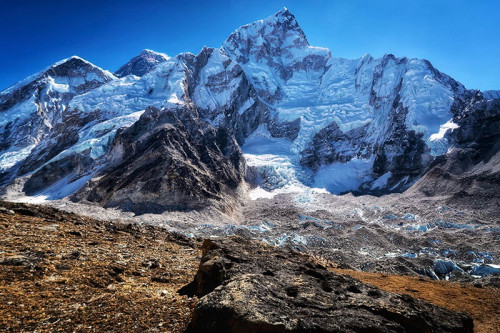
Top 15 Eight-Thousand Expeditions in the World — The Ultimate Challenge Above 8000 Meters
 Kedar Neupane
13th Oct, 2025
Kedar Neupane
13th Oct, 2025
Kedar Neupane
I am Kedar Neupane, a passionate traveler, entrepreneur, mentor, and social contributor, born and raised in a village near the Nepal-China border in Sindhupalchok, Nepal. With a Master’s degree in Business from Tribhuvan University and Level 2 proficiency in the German language, I have dedicated my life to tourism, trade, mentorship, and holistic well-being.
🌍 A Global Explorer with a Vision
Having explored 26+ countries, I have gained profound insights into diverse cultures, business landscapes, and global tourism. My travels have taken me to:
🇹🇭 Thailand | 🇧🇹 Bhutan | 🇲🇾 Malaysia | 🇸🇬 Singapore | 🇨🇳 China | 🇭🇰 Hong Kong | 🇩🇪 Germany | 🇵🇱 Poland | 🇦🇹 Austria | 🇨🇭 Switzerland | 🇭🇺 Hungary | 🇳🇱 Netherlands | 🇧🇪 Belgium | 🇫🇷 France | 🇦🇪 UAE | 🇬🇧 UK | 🇺🇸 USA | 🇹🇷 Turkey | 🇶🇦 Qatar | 🇮🇳 India | 🇮🇩 Indonesia | 🇨🇦 Canada
Through my journeys, I have developed a deep appreciation for cultural exchange, adventure tourism, and sustainable business practices.
🏔️ Entrepreneurial & Professional Journey
I am actively involved in tourism, trade, and mentorship, leading multiple ventures that promote sustainable travel, adventure tourism, and business development:
✔ Founder & MD – Actual Adventure Pvt. Ltd. (A leading adventure travel company in Nepal)
✔ CEO – Himalayas Destination Management Company (Creating premium travel experiences)
✔ MD – Nepal Export & Import Pvt. Ltd. (Promoting Nepalese products globally)
✔ MD – Actual Mentor Pvt. Ltd. (Empowering entrepreneurs and professionals)
✔ Chairman – World Expedition Nepal (Focusing on high-altitude expeditions and trekking)
Through my entrepreneurial journey, social contributions, global explorations, and commitment to lifelong learning, I strive to inspire others to pursue their passions while making a meaningful difference. My dream is to build a world where travel, business, and holistic well-being come together, fostering growth, sustainability, and happiness for all.
Climbing the world’s highest peaks is the ultimate dream for mountaineers. However, every 8000-meter expedition presents its own level of danger, beauty, and challenge. Below are answers to the most common questions climbers ask about these legendary mountains — ranked from the relatively attainable to the most extreme. Climbing an 8000-meter peak is the ultimate dream for mountaineers. The world has only 14 peaks above 8,000 meters — all located in the Himalayas and Karakoram. These giants demand exceptional skill, endurance, and mental strength. Below is a detailed overview of the 15 most popular and challenging 8000-meter expeditions, ranked and described for modern climbers.
Table of Contents
| # | Peak / Expedition | Height (m) | Region / Country | Difficulty | Notable hazards | Fact / Highlight |
|---|---|---|---|---|---|---|
| 1 | Mount Everest | 8,848.86 | Nepal / Tibet | 4 | Altitude, Khumbu Icefall, crowded routes | Highest point on Earth — the ultimate test of endurance and altitude management. |
| 2 | K2 | 8,611 | Pakistan / China | 5 | Steep rock & ice, avalanches, short windows | The “Savage Mountain” — widely considered the most technical 8000er. |
| 3 | Kangchenjunga | 8,586 | Nepal / India | 5 | Remoteness, avalanches, mixed terrain | A sacred, remote peak with constant objective hazards. |
| 4 | Lhotse | 8,516 | Nepal / Tibet | 4 | Steep summit couloir, rock/ice fall | Shares route with Everest — very exposed and technical near the top. |
| 5 | Makalu | 8,485 | Nepal / Tibet | 5 | Steep ridges, mixed rock & ice | A sharp pyramid — serious technical climbing at extreme altitude. |
| 6 | Cho Oyu | 8,188 | Nepal / Tibet | 2 | Altitude, weather | Often regarded as the most attainable 8000m peak — common first 8000er. |
| 7 | Dhaulagiri I | 8,167 | Nepal | 4 | Avalanche risk, remote access | White, remote mountain — serious objective avalanche hazard. |
| 8 | Manaslu | 8,163 | Nepal | 3 | Crevasses, avalanches | Popular training 8000er with growing guided logistics and permit demand. |
| 9 | Nanga Parbat | 8,126 | Pakistan | 5 | Huge faces, avalanches | Historic “Killer Mountain” — Rupal Face is among the biggest mountaineering challenges. |
| 10 | Annapurna I | 8,091 | Nepal | 5 | Very avalanche-prone routes | One of the deadliest 8000ers by fatality-to-summit ratio — timing and luck critical. |
| 11 | Gasherbrum I (Hidden Peak) | 8,080 | Pakistan / China | 4 | Steep ice slopes, remoteness | Steeper and technically tougher than GII — serious Karakoram objective. |
| 12 | Broad Peak | 8,051 | Pakistan / China | 3 | Long exposed ridges, weather | Extensive summit ridge — endurance test more than technical cruxes. |
| 13 | Gasherbrum II | 8,035 | Pakistan / China | 3 | Remote logistics, storms | A balanced Karakoram climb — attractive for experienced teams seeking fewer objective hazards. |
| 14 | Shishapangma | 8,027 | Tibet (China) | 2–3 | Access rules, weather | Lowest 8000er — useful for gaining true summit experience in Tibet. |
| 15 | Ama Dablam | 6,812 | Nepal (Khumbu) | 3–4 | Technical rock/ice pitches, cornices | Iconic alpine wall — technical, aesthetic, and excellent for practicing high-altitude technical skills. |
1. Cho Oyu Expedition (8,188m) – The Easiest 8000-Meter Peak
Highlights: Cho Oyu expedition, Cho Oyu climb from Tibet, 8000m peak for beginners
Cho Oyu, the sixth-highest mountain in the world, sits on the Nepal-Tibet border. Known as the most “approachable” 8000-meter peak, its northwest ridge route is relatively non-technical, making it a popular choice for climbers seeking their first 8000-meter experience before Everest. Despite its moderate gradient, climbers face extreme altitude, icy winds, and sub-zero temperatures. The approach from Tibet is smooth, and the base camp is easily accessible by vehicle, adding to its appeal.
2. Shishapangma Expedition (8,027m) – Tibet’s Hidden Giant
Highlights: Shishapangma expedition, Tibet climbing permit, 8000m peak in Tibet
Located entirely within Tibet, Shishapangma is the lowest of all 8000ers but offers a rewarding climb. The standard north ridge route is less technical but still demanding due to high altitude and unpredictable weather. Its remote location and strict Chinese climbing regulations make logistics challenging. Many expeditions stop at the false central summit (8,013m), so reaching the true summit at 8,027m adds prestige.
3. Gasherbrum II Expedition (8,035m) – Gateway to Karakoram 8000ers
Highlights: Gasherbrum II expedition, Pakistan Karakoram climbing, easy 8000m peak
Gasherbrum II is one of the most attainable 8000-meter peaks in Pakistan’s Karakoram range. The ascent is technically moderate, with fewer objective dangers than nearby peaks like K2 or Broad Peak. However, the remote access through the Baltoro Glacier and volatile weather make it a serious expedition. It’s a great choice for mountaineers seeking their first Karakoram 8000er.
4. Gasherbrum I Expedition (8,080m) – Hidden Peak of Pakistan
Highlights: Gasherbrum I expedition, Hidden Peak Pakistan, Karakoram 8000m climbs
Also known as Hidden Peak, Gasherbrum I stands proudly near Gasherbrum II. The climb involves steep snow slopes, mixed climbing, and exposure to avalanches. Although not as treacherous as K2, the remoteness of the Karakoram and severe weather make it a formidable challenge. Its breathtaking surroundings and isolation attract serious mountaineers every season.
5. Manaslu Expedition (8,163m) – The Mountain of the Spirit
Highlights: Manaslu expedition, 8000m climbing in Nepal, Manaslu 8163m climb
Located in Nepal, Manaslu is often considered the best “training” 8000er for Everest aspirants. The northeast route is less technical but requires strong acclimatization due to deep snow and avalanche-prone slopes. Its scenic approach trek through the Manaslu Conservation Area adds cultural richness to the adventure. Despite its reputation as a moderate climb, changing weather and snow conditions can make it unexpectedly tough.
6. Broad Peak Expedition (8,051m) – The Long Summit Ridge Challenge
Highlights: Broad Peak expedition, Karakoram 8000m climb, Pakistan mountaineering
Situated near K2, Broad Peak is known for its long and exhausting summit ridge stretching over 2 kilometers. Though technically moderate, the climb demands extreme endurance and stable weather conditions. The route includes mixed rock and snow, requiring solid mountaineering skills. Its proximity to K2 often allows climbers to attempt both peaks in a single expedition season.
7. Dhaulagiri I Expedition (8,167m) – The White Mountain of Nepal
Highlights: Dhaulagiri expedition, 8000m peak in Nepal, western Nepal climbing
Dhaulagiri, meaning “White Mountain,” is the seventh-highest peak in the world and one of Nepal’s most dramatic mountains. The route involves steep ice walls and high avalanche danger, making it significantly more challenging than Manaslu or Cho Oyu. Its remote location in western Nepal adds to logistical complexity, requiring strong endurance, teamwork, and mental fortitude.
8. Nanga Parbat Expedition (8,126m) – The Killer Mountain
Highlights: Nanga Parbat expedition, Diamir Face climb, Pakistan 8000m peak
Nanga Parbat’s legendary reputation stems from its tragic history and extreme difficulty. The Diamir Face route is the most popular but still one of the most dangerous due to avalanches and rockfall. The Rupal Face, rising 4,600 meters, is the world’s highest mountain wall — a test for elite alpinists. Only the most experienced climbers attempt this giant known as the “Killer Mountain.”
9. Annapurna I Expedition (8,091m) – The Most Dangerous 8000er
Highlights: Annapurna expedition, dangerous 8000m peak, Annapurna south face
Annapurna I has one of the highest fatality rates among all 8000ers. Its steep faces, unpredictable avalanches, and unstable snow conditions make it deadly. The north face route, though safer than the south, still demands perfect timing and skill. Despite the danger, Annapurna’s grandeur and mountaineering prestige continue to draw top climbers seeking the ultimate test.
10. Makalu Expedition (8,485m) – The Pyramid of Power
Highlights: Makalu expedition, Makalu climb Nepal, fifth highest mountain climb
Makalu, the fifth-highest mountain in the world, lies just east of Everest. The climb is technically demanding with steep rock and ice sections near the summit. Fierce winds and exposure at high altitude challenge even seasoned mountaineers. Its isolated position and stunning pyramid shape make it one of Nepal’s most admired but least climbed 8000ers.
11. Lhotse Expedition (8,516m) – Everest’s Tough Neighbor
Highlights: Lhotse expedition, Lhotse climb Nepal, Everest and Lhotse expedition
Sharing its route with Everest up to Camp 3, Lhotse is known for its steep and narrow couloir leading to the summit. The climb demands technical precision and endurance. Although slightly overshadowed by Everest, it offers a similarly intense high-altitude experience with fewer crowds. Many climbers attempt both Everest and Lhotse in a single expedition season.
12. Kangchenjunga Expedition (8,586m) – The Sacred Third-Highest Peak
Highlights: Kangchenjunga expedition, eastern Nepal climbing, remote 8000m expedition
Kangchenjunga, the third-highest mountain in the world, straddles the Nepal-India border. It is revered as a sacred mountain, and many climbers traditionally stop short of the summit out of respect. The climb is technically difficult, with dangerous seracs, crevasses, and constant weather shifts. Its remoteness and isolation make it one of the least attempted but most respected 8000ers.
13. K2 Expedition (8,611m) – The Savage Mountain
Highlights: K2 expedition, world’s hardest mountain, Pakistan Karakoram climbing
K2, the world’s second-highest peak, is the most technically challenging of all 8000ers. Steep mixed climbing, exposure to rock and ice fall, and unpredictable weather make it extremely dangerous. The Bottleneck section and narrow summit ridge have claimed many lives. K2’s difficulty and isolation mean that summiting it is often considered a greater accomplishment than Everest itself.
 14. Mount Everest Expedition (8,848.86m) – The Roof of the World
Highlights: Everest expedition, Mount Everest climb Nepal, world’s highest mountain expedition
Everest, the highest peak on Earth, may not be the most technical, but its extreme altitude and harsh conditions make it a true test of human endurance. The South Col route from Nepal involves crossing the Khumbu Icefall, the Lhotse Face, and battling the “death zone.” The North Ridge route from Tibet poses equal challenges with strong winds and the daunting Second Step. Every climber dreams of standing on the top of the world.
15. Lhotse Middle Peak (8,414m) – The Unclimbed 8000er
Highlights: Lhotse Middle unclimbed, 8000m unclimbed peaks, rare Himalayan climbs
Lhotse Middle Peak, located between Lhotse Main and Lhotse Shar, remains officially unclimbed. Although lower than its main summit, it presents steep technical sections and extreme exposure. Its unclimbed status continues to fascinate elite climbers, symbolizing the last great challenges left in the 8000-meter world.
1. What makes Cho Oyu the easiest 8000-meter expedition?
Cho Oyu (8,188m) on the Nepal–Tibet border is considered the most straightforward 8000er. The normal northwest ridge route offers gradual snow slopes with minimal technical climbing. Good logistics from the Tibetan side and moderate objective hazards make it an ideal first 8000-meter peak for aspiring mountaineers. However, “easy” is relative — climbers still face thin air, freezing temperatures, and unpredictable weather.
2. Why is Shishapangma often chosen as a training peak for Everest?
At 8,027m, Shishapangma is the lowest of the 8000ers but still highly challenging. It provides an excellent opportunity to gain experience at extreme altitude. Its northern route involves moderate slopes and fewer technical obstacles, though the final ridge to the main summit requires precision and stamina. Restricted access in Tibet adds to the logistical hurdles.
3. What makes Gasherbrum II a popular choice for experienced climbers?
Gasherbrum II (8,035m), located in Pakistan’s Karakoram Range, is favored for its balance of challenge and attainability. It demands solid climbing skills but has fewer objective dangers like avalanches compared to nearby peaks. The remote setting, however, makes weather changes and rescue operations complicated, adding an element of adventure to the ascent.
4. Is Manaslu really a “beginner-friendly” 8000er?
Manaslu (8,163m), known as the “Mountain of the Spirit,” is one of Nepal’s most climbed 8000-meter peaks. The northeast route is non-technical but involves glacier crossings and potential avalanche zones. Many climbers attempt Manaslu to prepare for Everest, though its high altitude and heavy snowfall can make it more dangerous than it appears.
5. Why is Broad Peak considered deceptively difficult?
Broad Peak (8,051m), close to K2, is technically moderate but extremely physically demanding. The summit ridge stretches over two kilometers, testing a climber’s endurance and patience. Harsh winds and the Karakoram’s volatile weather often make the final summit push grueling and uncertain.
6. What challenges does Dhaulagiri I pose to climbers?
Dhaulagiri I (8,167m) in western Nepal is nicknamed the “White Mountain.” Its steep slopes, avalanche risk, and isolation make it far more complex than peaks of similar height. The approach trek is long and remote, meaning evacuation or rescue can be nearly impossible in bad weather. Dhaulagiri demands both technical skill and psychological strength.
7. Why is Nanga Parbat called the “Killer Mountain”?
Nanga Parbat (8,126m) in Pakistan earned its grim nickname due to its deadly early climbing history. The Rupal Face — the world’s tallest mountain face — and frequent avalanches make it one of the toughest ascents. Although modern routes like the Diamir Face are safer, Nanga Parbat still requires elite-level mountaineering expertise.
8. What makes Annapurna I the most dangerous 8000-meter peak?
Annapurna I (8,091m) in Nepal has one of the highest fatality-to-summit ratios of all 8000ers. The routes are avalanche-prone and technically steep, especially on the south face. Even the “standard” north route involves crossing unstable snowfields and crevasses. Despite its deadly reputation, its beauty and allure continue to draw top climbers every year.
9. How difficult is the Makalu Expedition?
Makalu (8,485m), the fifth-highest mountain in the world, is a serious technical challenge. Its steep ridges and exposed summit pyramid require ice and rock climbing skills at extreme altitude. The final section to the summit involves climbing narrow ridges under high winds, testing every aspect of a climber’s endurance and focus.
10. Why is Lhotse often climbed along with Everest?
Lhotse (8,516m) shares the same route as Everest up to Camp 3 before branching off into its own steep, narrow couloir. The climb is extremely demanding, with icy walls and potential rockfall hazards. Climbers often attempt Lhotse after Everest to take advantage of acclimatization and shared logistics.
11. What makes Kangchenjunga a sacred and difficult climb?
Kangchenjunga (8,586m), the third-highest mountain in the world, straddles the Nepal–India border. The climb is technically demanding with no easy sections and constant exposure to avalanches. Climbers traditionally stop a few meters short of the true summit out of respect for local spiritual beliefs, making this peak both a physical and cultural challenge.
12. Why is K2 considered more difficult than Everest?
K2 (8,611m), the second-highest peak on Earth, is widely regarded as the most technically difficult and dangerous of all 8000ers. It features near-vertical rock, unstable ice, and no easy descent. Weather windows are extremely short, and rescue above 8,000m is nearly impossible. Known as the “Savage Mountain,” K2 has claimed many of the world’s best climbers.
13. Is Mount Everest still the ultimate expedition?
Yes. Despite not being the most technical, Mount Everest (8,848.86m) is still the ultimate test of endurance, mental strength, and high-altitude survival. The climb challenges human limits with extreme cold, the death zone above 8,000m, and potential hazards like the Khumbu Icefall. Whether climbing from Nepal’s South Col or Tibet’s North Ridge, Everest remains a life-changing expedition for all who attempt it.
14. Which lesser-known 8000ers offer rewarding challenges?
Gasherbrum I (8,080m) and Lhotse Middle are often overlooked but provide serious tests for experienced climbers. Gasherbrum I’s steep ice slopes and avalanche-prone sections make it tougher than Gasherbrum II. Meanwhile, Lhotse Middle remains unclimbed officially for years due to its sharp ridges and unstable terrain.
15. Which is the best 8000-meter peak for first-time expedition climbers?
For first-time 8000-meter climbers, Cho Oyu and Manaslu are the most recommended options. Both offer good logistical support, moderate technical difficulty, and reliable summit success rates. These expeditions build the necessary experience for future climbs of Everest, K2, or Annapurna.
Conclusion: The True Measure of Difficulty
No 8000-meter peak is truly “easy.” Every climb above 8,000 meters demands exceptional physical fitness, mental resilience, proper acclimatization, and respect for nature.
While Cho Oyu and Manaslu are often entry points for high-altitude mountaineering, K2, Annapurna, and Kangchenjunga represent the extreme edge of human capability. Each expedition offers its own blend of adventure, danger, and glory—reminding climbers why the call of the mountains remains eternal.
Recent Posts

8th Feb, 2026

6th Feb, 2026