
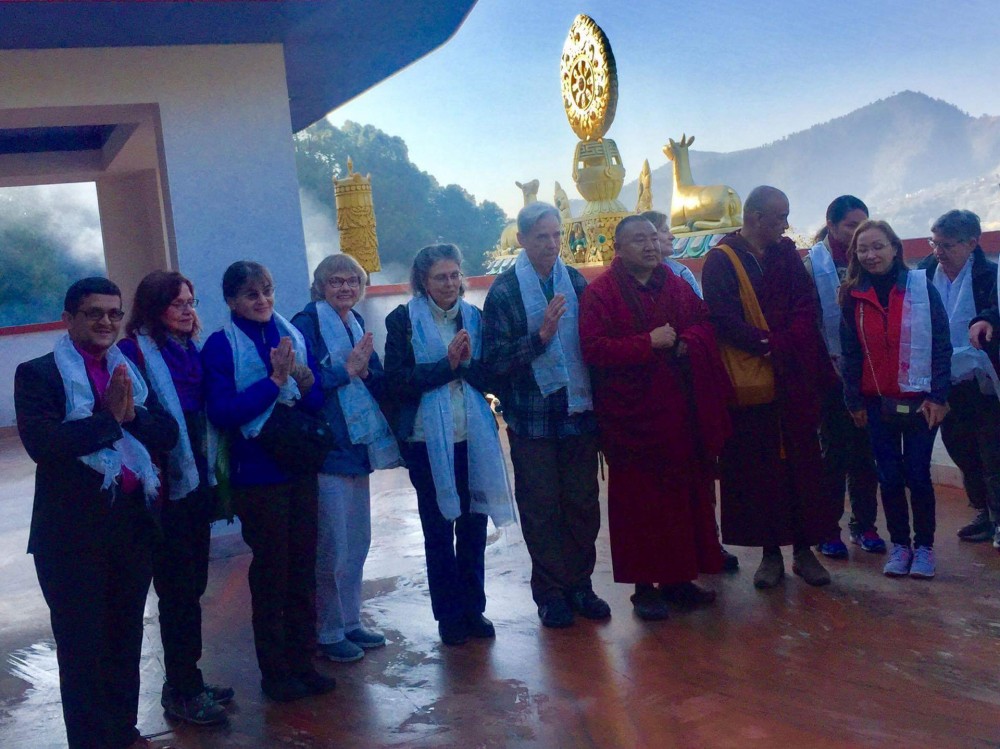
Kailash Mansarovar, nestled in the remote corners of western Tibet, is one of the most sacred and spiritually powerful pilgrimage sites in the world. Every year, thousands of devotees and adventure seekers undertake the Kailash Mansarovar Yatra to circumambulate the holy Mount Kailash and take a holy dip in Lake Mansarovar. But planning a trip to this high-altitude region requires careful consideration of timing, weather, and terrain.
In this guide, we will discuss the best time for Kailash Mansarovar tour, seasonal highlights, weather conditions, and tips for choosing the ideal month for your Mount Kailash pilgrimage.
Table of contents Show
Why Timing Matters for the Kailash Mansarovar Tour
The Kailash Mansarovar Yatra involves traveling to high-altitude terrains (above 4,500 meters), where unpredictable weather can affect safety and accessibility. Therefore, choosing the right time not only enhances your experience but ensures better health, visibility, and smoother logistics.
Best Time to Visit Kailash Mansarovar: May to September
The ideal time to visit Kailash Mansarovar is from May to September, when the weather is relatively pleasant, the skies are clear, and roads are accessible. Let’s break down each month:
🌸 May – Beginning of the Yatra Season
Weather: Cool and dry, with snow still present in some areas.
Highlights:
Start of the Kailash Mansarovar Yatra.
Fewer crowds and good visibility of Mount Kailash.
Pilgrims from India and around the world begin their spiritual journey.
Temperature: Daytime 8°C to 15°C, nighttime can drop to -5°C.
Keyword Focus: Kailash Mansarovar Yatra in May, best time to visit Mount Kailash
☀️ June – Ideal Weather and Visibility
Weather: Mild temperatures and clear skies.
Highlights:
Excellent time for trekking and parikrama (kora).
Lake Mansarovar looks stunning with crystal-clear reflections.
Tibetan Saga Dawa Festival is celebrated (full moon of the fourth month).
Temperature: 10°C to 18°C during the day, cold at night.
Keyword Focus: Saga Dawa festival Kailash, June Kailash tour package
🌞 July – Peak Pilgrimage Season
Weather: Warmer temperatures, but slight chance of monsoon showers in lower regions.
Highlights:
High pilgrimage traffic from India, Nepal, and Tibet.
Kailash Parikrama is busy but spiritually charged.
Temperature: 12°C to 20°C daytime; nights around 0°C.
Keyword Focus: Mount Kailash pilgrimage July, Kailash Mansarovar weather in July
🌿 August – Spiritual and Scenic Month
Weather: Green valleys in Nepal and Tibet regions; light rain possible.
Highlights:
Amazing views after the rain—clean atmosphere and lush surroundings.
Great time for photographers and spiritual seekers.
Temperature: 10°C to 18°C during the day.
Keyword Focus: August Kailash Yatra, Kailash tour August weather
🍁 September – End of Season with Clear Views
Weather: Clear skies with less wind and precipitation.
Highlights:
Less crowd; peaceful environment for spiritual reflection.
Best time to witness golden hues over Mount Kailash.
Temperature: Daytime 5°C to 15°C, chilly nights.
Keyword Focus: Kailash Mansarovar tour September, off-season Kailash pilgrimage
Not Recommended Months for Kailash Mansarovar Tour
❄️ October to April – Harsh Winter Conditions
Weather: Freezing temperatures, heavy snowfall, and blocked mountain passes.
Conditions:
Dangerous for travel due to snow and closed routes.
Chinese authorities usually close permits during this period.
Temperature: -10°C to -25°C in winter months.
Avoid keywords like Kailash Yatra in December or Mount Kailash winter trek, unless you’re writing about challenges or risks.
Summary Table – Best Time to Visit Kailash Mansarovar
| Month | Weather | Highlights | Crowd Level |
|---|---|---|---|
| May | Cold, dry | Start of yatra, clear views | Low |
| June | Mild, clear | Saga Dawa Festival, best weather | Medium |
| July | Warm, busy | Peak pilgrimage season | High |
| August | Wet, green | Beautiful post-rain scenery | Medium |
| September | Cool, clear | Peaceful end-of-season experience | Low |
Full Moon Dates – A Special Time for Pilgrimage
Many pilgrims prefer visiting during the full moon (Purnima) for its heightened spiritual significance. Full moon dates from May to September are considered highly auspicious for Lake Mansarovar holy dip and Mount Kailash Kora.
Popular Keyword: Kailash Mansarovar full moon departure, Kailash Yatra on Purnima
Final Tips for Choosing the Best Time
For Spiritual Seekers: Choose June for the Saga Dawa Festival or full moon dates.
For Fewer Crowds: Opt for May or September.
For Comfortable Trekking: June and July offer ideal weather.
For Photography: August and September provide stunning backdrops and reflections.
Avoid Winter Months: October to April are closed for general travel.
Related Keywords to Include for SEO
Kailash Mansarovar Yatra 2025
Best time to visit Kailash Mansarovar from India
Kailash Mansarovar weather by month
Mount Kailash tour package cost
How to plan Kailash Mansarovar Yatra
Lake Mansarovar spiritual journey
Tibet pilgrimage season
Nepal to Kailash Mansarovar tour
Conclusion
Choosing the best time to visit Kailash Mansarovar is crucial for a safe, smooth, and spiritually fulfilling journey. The months of May to September provide the perfect window to experience the magic of Mount Kailash and Lake Mansarovar. Whether you're embarking on a spiritual Kailash pilgrimage or an adventurous trek, planning your travel in the right season will elevate your experience.
For customized Kailash Mansarovar Yatra packages, full moon departures, and travel updates, contact Actual Adventure Pvt. Ltd., your trusted tour operator for Himalayan spiritual journeys.


.jpeg)

