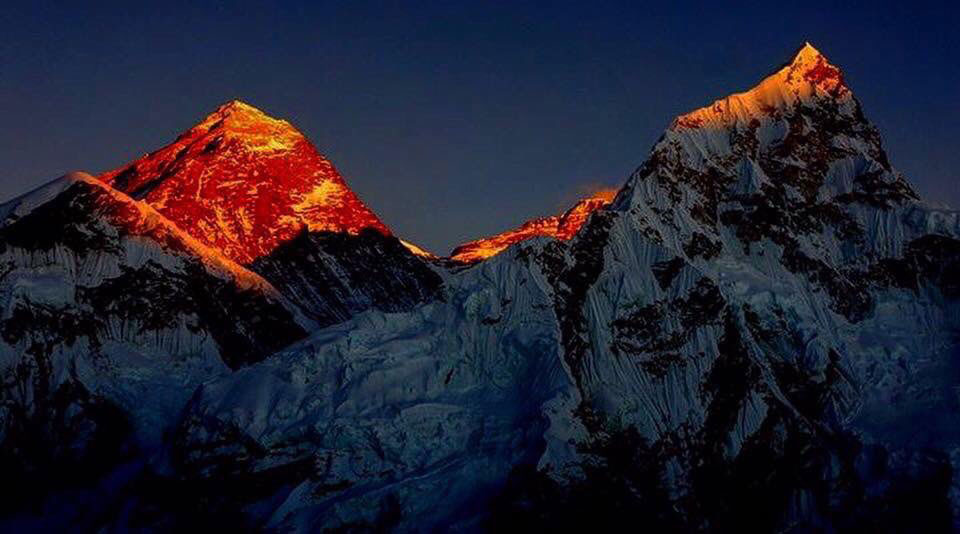

Nepal is home to some of the world's most spectacular and challenging mountains, especially those in the 7000-meter range. For climbers eager to take on serious mountaineering challenges without jumping directly into the extreme altitudes of the 8000m giants, Nepal's 7000m peaks offer the perfect balance of adventure, technical challenge, and breathtaking views.
In this detailed guide, we cover everything you need to know about planning a successful Nepal 7000m expedition — from the best mountains to climb, expected costs, detailed itineraries, to why booking a guided 7000m expedition in Nepal is crucial for your safety and success.
Table of contents Show
What is a Nepal 7000m Expedition?
A Nepal 7000m expedition involves climbing mountains between approximately 7000 and 7500 meters above sea level. These peaks present significant challenges including technical climbing, glacier travel, and require thorough acclimatization.
Why choose a 7000m peak expedition?
- Intermediate stepping stone for climbers preparing for 8000m giants like Everest and Annapurna.
- Technical climbing experience including ice climbing, crevasse navigation, and mixed routes.
- Less crowded routes offer more personal and authentic Himalayan experience.
- Spectacular panoramic views of the Himalayan range.
Top 7000m Peaks in Nepal
Below are some of Nepal's most popular and rewarding 7000m expeditions, suitable for different skill levels and preferences.
| Peak Name | Height (m) | Difficulty | Best Season | Duration | Approximate Cost (USD) | Highlights |
|---|---|---|---|---|---|---|
| Baruntse | 7129 | Moderate to Technical | Apr-May, Sep-Oct | 35-40 days | $6000 - $8500 | Glacier travel, mixed climbing, less crowded, stunning Makalu views |
| Mera Peak | 6476 | Moderate | Mar-May, Sep-Nov | 18-20 days | $1500 - $2500 | Highest trekking peak, panoramic views of 5x 8000m peaks |
| Island Peak (Imja Tse) | 6189 | Moderate Technical | Mar-May, Sep-Nov | 18-22 days | $1800 - $2700 | Glacier crossings, fixed ropes, near Everest Base Camp |
| Lobuche East | 6119 | Technical | Spring, Autumn | 18-21 days | $2000 - $3000 | Challenging ridge climb, technical rock and ice |
| Cholatse | 6440 | Very Technical | Pre/Post Monsoon | 30-35 days | $6000+ | Steep ice and rock, expert climbers only |
| Thamserku | 6608 | Technical | Spring and Autumn | 30-35 days | $7000 - $9000 | Less commercial, mixed climbing routes |
Skills and Preparation for Nepal Mountain Climbing 7000 Meters
Climbing any 7000m peak requires not only strong physical fitness but also essential technical and mental skills.
Physical Fitness
- Cardiovascular endurance (running, swimming, cycling)
- Strength training focusing on legs and core stability
- Long hikes with weighted backpacks to simulate expedition conditions
Technical Skills
- Proficiency in ice axe and crampon use
- Rope management and fixed line climbing techniques
- Crevasse rescue and glacier travel skills
- Basic rock climbing for mixed terrain
Mental Preparation
- High altitude acclimatization and sickness awareness
- Stress and decision-making under extreme conditions
- Teamwork and communication in expedition settings
Gear Essentials
- Mountaineering boots compatible with crampons
- Technical climbing gear: harness, helmet, ice axes, carabiners
- Insulated, layered clothing and down jackets
- Sleeping bags rated for extreme cold (-20°C or lower)
- High-altitude tents or accommodations at base/high camps
7000m Peak Climbing Cost Nepal: What to Expect
The cost of climbing a 7000m peak in Nepal depends on the peak's difficulty, expedition duration, and support level. Below is a detailed breakdown:
| Cost Component | Estimated Range (USD) | Details |
|---|---|---|
| Climbing Permits | $500 - $3500+ | Varies by peak; trekking peaks cost less, technical peaks cost more |
| Guide and Sherpa Fees | $1500 - $5000 | Includes lead guide, Sherpa climbing support, and base camp staff |
| Equipment Rental | $300 - $700 | Ice axes, crampons, harnesses, ropes if not owned |
| Food and Accommodation | $15 - $30 per day | Meals during trek and at base camps or tea houses |
| Transportation & Logistics | $150 - $500 | Domestic flights (e.g., Kathmandu-Lukla), porters, helicopter insurance |
| Miscellaneous | Varies | Insurance, tips, emergency funds |
Sample 7000m Climbing Itinerary in Nepal
Here’s an example itinerary for a 7000m peak expedition (e.g., Baruntse 7129m):
| Day | Activity | Notes |
|---|---|---|
| 1-2 | Arrival in Kathmandu | Gear check, expedition briefing, rest |
| 3 | Fly to Lukla, trek to Phakding | Start trekking through Sagarmatha National Park |
| 4-8 | Trek to Base Camp | Gradual ascent for acclimatization |
| 9-11 | Acclimatization hikes and preparation | Practice climbing skills and rest |
| 12-18 | Climb to Advanced Base Camp and Higher Camps | Establish camps, prepare for summit push |
| 19-25 | Summit Attempt and Descent | Weather-dependent; critical expedition phase |
| 26-28 | Trek back to Lukla | Safe descent and recovery |
| 29 | Fly back to Kathmandu | Rest and celebrate |
| 30 | Departure or Optional Trekking | Additional activities or rest day |
Why Choose a Guided 7000m Expedition in Nepal?
Climbing any 7000m peak involves inherent risks and complex logistics. Booking a guided 7000m expedition in Nepal with a reputable operator like Actual Adventure offers many benefits:
- Experienced guides and Sherpa support: Certified professionals ensure your safety and success.
- Permit and logistical management: We handle complex paperwork and transportation.
- Proper acclimatization schedules: To reduce altitude sickness risk and improve summit chances.
- High-quality gear and equipment rental: Access to the best mountaineering tools.
- Emergency preparedness: Rescue plans, medical support, and insurance assistance.
- Customized expedition plans: Tailored to your experience, fitness, and goals.
Essential Tips for a Successful 7000m Climbing Expedition in Nepal
- Train rigorously before the expedition focusing on endurance, strength, and altitude fitness.
- Invest in proper mountaineering gear suitable for extreme cold and technical climbing.
- Acclimatize slowly and never rush altitude gains to avoid acute mountain sickness.
- Stay well-hydrated and consume enough calories daily.
- Follow your guide’s instructions carefully and prioritize safety over summit ambition.
- Purchase comprehensive travel and evacuation insurance before the trip.
- Be mentally prepared for unpredictable weather and potential delays.
Easiest 7000m Peaks — FAQ
Easiest 7000m Peaks — FAQ
Clear, practical answers about 7000m and high-altitude climbing in Nepal. Use this as a quick reference or copy the HTML for your site.
What is the easiest 7000-meter peak to climb? ▾
There is no single universally accepted "easiest" 7000‑metre peak. Most 7000‑metre mountains are serious expedition objectives with objective hazards (glaciers, crevasses, seracs and technical sections). Climbers commonly build experience on non‑technical 6000–6500 m peaks before stepping up to a 7000 m expedition.
Which is the easiest 7000m peak in Nepal? ▾
There isn't a clear single choice in Nepal. Instead, climbers are advised to progress through well‑known non‑technical 6000‑metre objectives (e.g., Mera Peak, Island Peak, Lobuche East) and then attempt a 7000‑metre mountain with a reputable operator. Many Nepalese 7000ers require expedition logistics and technical experience.
Where is the best 7000‑metre mountain to climb? ▾
“Best” depends on your goal. If you want the least technical 7000 m experience choose a peak with an established commercial route, good local logistics, and a strong guiding company. Many climbers prefer to gain experience in the Everest/Khumbu region (Mera/Island) and then choose a 7000 m peak in a region known for stable logistics.
Which is the easiest peak to climb in Nepal? ▾
For novice mountaineers seeking a summit feel without complex technical climbing, common beginner objectives are Pokalde (5,806 m), Lobuche East (6,119 m), Island Peak / Imja Tse (6,189 m) and Mera Peak (~6,470 m). These are well‑guided and suitable as progression climbs.
Which peak is difficult to climb? ▾
Difficulty can mean technical difficulty, objective danger or logistical complexity. Among the most difficult and dangerous mountains are K2 (very technical, severe weather), Nanga Parbat (difficult faces) and in Nepal, Annapurna I (avalanche‑prone and high fatality rate). Technical routes on Kanchenjunga and Makalu are also highly demanding.
What is the easiest 8000 m peak to climb? ▾
Among the 8000 m peaks, Cho Oyu (8,188 m) is widely regarded as the least technical on its standard route. That said, an 8000 m mountain remains a major expedition with significant risk from altitude, weather and logistics.
Which is the easiest peak to climb? ▾
In general, the easiest summits are short trekking peaks and lower 6000‑metre objectives (Pokalde, Lobuche East, Island Peak, Mera). These are appropriate for beginners who want to learn crampon/ice‑axe skills and acclimatization before moving to higher/technical peaks.
How many 7000 metre peaks are there in Nepal? ▾
Counts vary by definition (prominence, independent summit, open vs closed to climbers). A commonly cited figure for Nepalese peaks above 7000 m is roughly 70–75 peaks, but different lists and databases may report slightly different counts.
Which mountain climb has the highest death rate? ▾
By documented fatality rate (deaths divided by successful summits or attempts), Annapurna I (8,091 m) has historically had one of the highest fatality rates among the 8000 m peaks. K2 is also extremely dangerous (especially in absolute death counts), but Annapurna’s rate is notable because of unpredictable avalanches and objective hazards.
Want this converted into a collapsible JavaScript accordion, styled cards for each peak, or a printer‑friendly version? Tell me which format you prefer and I’ll update it.
Start Your Nepal 7000m Expedition with Actual Adventure Today!
Whether you want to climb the popular trekking peak Mera or challenge yourself on the technical Baruntse or Cholatse, Actual Adventure is your trusted partner in Nepal. With over 15 years of experience, our expert team provides full support — from permits, equipment, guides, and logistics — ensuring your expedition is safe, well-organized, and unforgettable.