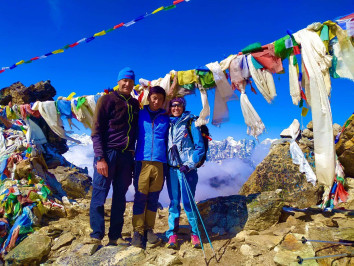
Ama Yangri (3,771 m / 12,372 ft) is one of the best short treks in Nepal: a sacred summit in Helambu that you can reach from Kathmandu in two to four days, with no flights and no technical climbing. You drive to the Hyolmo village of Tarkeghyang, climb through rhododendron and pine forest before dawn, and watch the sun light up a wall of peaks from Langtang to Gaurishankar beside a small hilltop monastery strung with prayer flags.
Often described as the highest peak closest to Kathmandu, Ama Yangri gives you a real Himalayan sunrise for the time and budget of a long weekend. This guide covers everything you need to plan it: the route, itinerary options, permits and guide rules, costs, seasons, altitude, gear and the culture you will walk through.
Table of contents Show
Ama Yangri Trek at a Glance
Fact | Detail |
|---|---|
Location | Helambu region, Sindhupalchok District, about 85–90 km north-east of Kathmandu |
Highest point | Ama Yangri summit, 3,771 m (12,372 ft) |
Gateway village | Tarkeghyang, 2,600 m |
Overnight stops | Tarkeghyang (2,600 m) or Ama Yangri Base Camp at Chomothang (about 3,200 m) |
Duration | 2–5 days, Kathmandu to Kathmandu |
Grade | Easy to moderate; no technical climbing |
Drive from Kathmandu | 5–6 hours each way via Melamchi |
Best seasons | Autumn (Sep–Nov) and spring (Mar–May) |
Permits | Langtang National Park entry permit; licensed guide required for foreign trekkers |
Accommodation | Teahouses, lodges and Hyolmo homestays |
Where Is Ama Yangri, and Why Is It Sacred?
Ama Yangri rises directly above Tarkeghyang in the Helambu region of Sindhupalchok, north-east of Kathmandu and on the southern edge of Langtang National Park. Helambu is the homeland of the Hyolmo (Yolmo) people, a Tibetan Buddhist community with its own language, stone villages and monasteries.
The name means "Mother Yangri." For the Hyolmo, Ama Yangri is the guardian deity of the whole valley, often described as a dakini (a female protector spirit). Local stories say she is the female counterpart of Langtang Lirung and has sister peaks nearby. Guru Rinpoche (Padmasambhava) is believed to have visited Tarkeghyang and meditated in caves in the area, which is why the summit is a pilgrimage site as well as a viewpoint.
On top you will find a small monastery, Ama Yangri Zangdo Palri Gumba, surrounded by prayer flags. Treat it as a place of worship: walk clockwise around shrines and chortens, do not sit on or climb altars, and ask before photographing people at prayer.
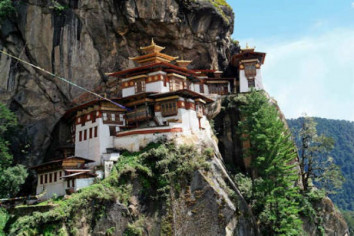
Tarkeghyang itself is worth the trip. It is a Hyolmo settlement said to date back to the early 1700s, with stone-paved lanes, carved wooden windows, apple orchards and an old monastery at its heart. If you stay in a homestay, expect to be welcomed with salty butter tea and a khata (ceremonial scarf).
Highlights of the Ama Yangri Trek
The summit panorama is the headline. On a clear morning the northern horizon is filled by the Langtang range (Langtang Lirung, Dorje Lakpa), Jugal Himal, Shishapangma across the border in Tibet, Ganesh Himal to the north-west and Gaurishankar to the east. On exceptionally clear days some trekkers report seeing as far as Manaslu and the Everest region, but treat that as a bonus, not a promise. Many people compare the view to Poon Hill in the Annapurna region, with far fewer crowds.
- Sunrise from 3,771 m: the classic plan is a pre-dawn start so you reach the top as the light hits the snow peaks.
- Forest walking: the trail climbs through rhododendron, pine and oak forest, blazing red and pink in spring.
- Hyolmo culture: stone villages, monasteries, butter tea and apple orchards in Tarkeghyang and Sermathang.
- Spiritual summit: a hilltop gompa, prayer flags and a mountain that locals still worship.
- Close to Kathmandu: no domestic flight and no long walk-in, so it fits into a weekend or the end of a longer Nepal trip.
- Quiet trails: far less traffic than Langtang, Annapurna or Everest routes.
Ama Yangri Trek Itinerary Options
The 3-day itinerary suits most people: it gives you a night at 2,600 m before the summit and a relaxed return. Choose 2 days if you are fit and short on time, or 4–5 days to walk in and see more villages.
Option | Route | Best for |
|---|---|---|
2 days | Kathmandu → Tarkeghyang → walk to Base Camp (3,200 m); pre-dawn summit, descend and drive back the same day | Fit weekend trekkers with a private jeep |
3 days | Kathmandu → Tarkeghyang; summit and return to Tarkeghyang; drive back | Most trekkers, families, first-timers |
4–5 days | Drive to Timbu and walk to Tarkeghyang; summit day; walk on to Sermathang; descend and drive back | Slower pace, more culture, better acclimatisation |
Recommended 3-Day Itinerary
Day 1: Kathmandu (1,400 m) to Tarkeghyang (2,600 m), 5–6 hours by road
Leave Kathmandu around 7–8 am and drive via Sankhu and the Melamchi valley, usually stopping for lunch in Melamchi. You reach Tarkeghyang in the early afternoon. Spend the rest of the day wandering the stone lanes, visiting the monastery and resting. Drink plenty of water and get to bed early.
Day 2: Summit Ama Yangri (3,771 m) and return to Tarkeghyang, 6–8 hours
Start by headlamp around 4–5 am. The trail climbs steadily through rhododendron and pine forest, passes the base camp area at Chomothang (about 3,200 m), then follows an open ridge to the prayer-flagged summit. Spend 20–30 minutes on top for sunrise and photos, then descend the same way. The descent is rocky in places, so trekking poles help. Afternoon free in Tarkeghyang.
Day 3: Drive back to Kathmandu, 5–6 hours
After breakfast, drive back down the Melamchi valley, arriving in Kathmandu by mid to late afternoon.
2-Day Express Version
Day 1: Drive to Tarkeghyang (arrive around 1:30–2 pm), then walk about 2 hours and 600 m up to Ama Yangri Base Camp (about 3,200 m). Walk rather than drive this stretch, even though a rough jeep track exists: it helps you acclimatise before sleeping at altitude.
Day 2: Wake around 4 am, leave by 5 am and reach the summit in roughly 1.5–2.5 hours for sunrise. Descend to base camp, walk down to Tarkeghyang by about noon and drive back to Kathmandu, arriving around 5:30–6 pm.
4–5 Day Version
Drive to Timbu (about 1,580 m) and walk 4–5 hours up to Tarkeghyang. Add a summit day, then walk to Sermathang (about 2,620 m), a Hyolmo village known for its monastery and orchards. Finish by descending towards Melamchi and driving back to Kathmandu. Some itineraries add a night at Ama Yangri Base Camp for a shorter summit morning.
How to Get to Ama Yangri from Kathmandu
A private jeep is the easiest and most flexible way to reach Tarkeghyang, and it is the only practical option for the 2-day itinerary. The road runs from Kathmandu via Gokarneshwor, Sankhu and Melamchi, then climbs through the Helambu hills. Allow 5–6 hours each way, including a lunch stop.
- Private jeep: door-to-door, flexible timing, and it lets you return the same afternoon after the summit. One operator quotes around USD 300 for a Kathmandu–Tarkeghyang–Kathmandu round trip; rates vary with season and group size.
- Shared jeep: roughly NPR 2,000–3,000 per seat, depending on season and availability.
- Public bus: an early bus (around 6 am) leaves from the Jorpati area for roughly NPR 650. There is no afternoon return from Tarkeghyang, so buses only suit 3-day or longer trips. Public transport fares rose in 2026, so check current prices.
The Melamchi valley road is rough in places and prone to landslides and flood damage during the monsoon. In the rainy season buses may only reach Timbu, which adds a walk of around five hours to Tarkeghyang.
How Difficult Is the Ama Yangri Trek?
Ama Yangri is an easy-to-moderate trek that anyone with basic fitness and some hiking experience can do. There are no technical sections, ropes or exposed ledges. The challenge is a steady climb of about 1,170 m from Tarkeghyang to the summit, much of it in the dark on a summit morning, followed by a rocky descent that is hard on the knees.
To prepare, take a few long walks or stair sessions in the weeks before, ideally with a light daypack. Good footwear with ankle support and a pair of trekking poles make the descent much more comfortable.
Altitude and Acclimatisation
At 3,771 m, Ama Yangri is high enough for altitude sickness (AMS) to be possible, especially on the 2-day plan, which takes you from 1,400 m to sleeping at 3,200 m in a single day. A few simple habits lower the risk:
- Walk from Tarkeghyang to base camp rather than driving, so your body adjusts gradually.
- Drink at least 3 litres of water on the first day, eat well and skip alcohol.
- Climb at a slow, steady pace you can talk at.
- Watch for headache, nausea, dizziness, unusual tiredness or breathlessness at rest. If symptoms get worse, go down; descending even a few hundred metres usually helps quickly.
- If you are considering acetazolamide (Diamox), talk to a doctor before your trip.
Best Time to Do the Ama Yangri Trek
Autumn (September–November) is the best season for clear mountain views, and spring (March–May) is best for rhododendron forests in bloom. Winter is possible with the right gear; the monsoon is best avoided.
Season | Months | What to expect | Verdict |
|---|---|---|---|
Autumn | Sep–Nov | Stable weather, crisp air and the clearest summit views; pre-dawn temperatures near freezing | Best overall |
Spring | Mar–May | Rhododendrons in bloom, milder days; haze and afternoon cloud build towards May | Excellent |
Winter | Dec–Feb | Quiet trails and sharp views, but summit mornings can drop to around −10 °C and snow is likely above 3,000 m | Good for well-equipped trekkers |
Monsoon | Jun–Aug | Heavy rain, leeches, slippery trails, landslide-prone roads and cloud-covered peaks | Not recommended |
Whatever the season, the clearest views are usually early in the morning, which is why the summit push starts in the dark.
Permits, Guide Rules and Insurance
You need a Langtang National Park entry permit, and foreign trekkers must go with a licensed guide arranged through a government-registered trekking agency.
Permit | Fee |
|---|---|
Langtang National Park entry permit (foreign nationals) | NPR 3,000 |
Langtang National Park entry permit (SAARC nationals) | NPR 1,500 |
Langtang National Park entry permit (Nepali citizens) | NPR 100 |
Licensed guide: since 1 April 2023, foreign trekkers in Nepal's national parks and conservation areas, including Langtang and Helambu, must be accompanied by a licensed guide booked through a registered agency. Permits are processed through these agencies. Nepali citizens are not covered by this rule.
TIMS / e-TIMS: the trekker registration system has changed several times. Some 2026 sources say the digital e-TIMS card is now mandatory in Helambu, while others say no TIMS card is needed for guided trekkers. Your agency will know the current requirement, so confirm it when you book.
Insurance: carry travel insurance that covers trekking to at least 4,000 m, emergency medical care and helicopter evacuation. Many agencies ask to see proof before they process permits.
How Much Does the Ama Yangri Trek Cost?
A 3-day Ama Yangri trek costs a foreign trekker roughly NPR 18,000–25,000 (about USD 135–190) when arranged piece by piece with a shared guide, or around USD 105–500 per person as an agency package, depending on group size and inclusions.
Item | Approximate cost (NPR) |
|---|---|
Langtang National Park permit (foreign) | 3,000 |
e-TIMS processing, where required | 2,000–3,000 |
Licensed guide, shared basis | 6,000–9,000 |
Shared jeep seat | 2,000–3,000 |
Teahouse rooms, 2 nights | 2,000–3,000 |
Meals and drinks | 3,000–4,500 |
Personal extras (snacks, hot showers, charging) | 1,500–2,500 |
Guide tip (customary) | 1,000–2,000 |
Agency packages usually bundle transport, guide, permits, accommodation and most meals. Solo travellers pay the most per person because the jeep and guide are not shared; groups of five or more get the best rates. There are no ATMs on the trail, so bring enough cash from Kathmandu.
Accommodation, Food and Connectivity
Where you sleep: Tarkeghyang has a good choice of simple lodges, teahouses and Hyolmo homestays. Higher up, a basic lodge at Ama Yangri Base Camp (Chomothang, about 3,200 m) offers clean twin rooms with blankets. Rooms are unheated, so nights are cold outside summer.
What you eat: dal bhat (rice, lentils and vegetable curry) is the staple and usually comes with refills. Menus also offer noodles, fried rice, soups, eggs, Tibetan bread and porridge. Try local specialities such as butter tea, dhindo and Helambu apples. Buy snacks in Kathmandu: there are no shops above Tarkeghyang.
Phone and power: NTC has 4G coverage in Tarkeghyang, while Ncell is patchy. Expect no signal above base camp. Base camp runs on solar power, so charge your phone and power bank before you leave and keep batteries warm inside your jacket on summit morning.
Water: carry at least 1.5 litres for the summit push. Use purification tablets or a filter rather than buying plastic bottles.
Ama Yangri Trek Packing List
Pack light: this is a short teahouse trek, and blankets are provided, so you can leave the tent, stove and (in most seasons) the sleeping bag at home.
Clothing
- Down or synthetic insulated jacket for the pre-dawn summit
- Fleece or warm mid-layer
- Waterproof and windproof shell
- Moisture-wicking base layers and trekking trousers
- Warm hat, gloves and buff or neck gaiter
- Wool hiking socks plus a spare pair
Footwear and gear
- Hiking boots or trail shoes with good grip and ankle support
- Trekking poles for the rocky descent
- Headlamp with spare batteries (essential for the summit start)
- Daypack of 20–30 litres
- Water bottles (1.5 litres or more) and purification tablets
- Microspikes in winter if snow is reported above 3,000 m
Personal items
- Passport copies, permits and insurance details
- Cash in small notes (no ATMs on the trail)
- Sunscreen, sunglasses and lip balm
- Basic first-aid kit and personal medication
- Power bank, phone and camera
- Snacks and energy bars from Kathmandu
- Light sleeping bag or liner for winter or extra comfort
Tips for a Great Ama Yangri Trek
- Start early on summit day. Leave by 4–5 am; clouds often roll in by mid-morning.
- Book through a registered agency. It is required for foreign trekkers, and your guide handles permits, lodging and emergencies.
- Check the weather and road before you go, especially in late spring, early autumn and winter.
- Respect local customs. Walk clockwise around chortens and mani walls, remove shoes in monasteries, dress modestly and ask before photographing people.
- Leave no trace. Carry your rubbish back to Kathmandu and avoid single-use plastic bottles.
- Keep warm and charged. Layer up for the summit and keep phone batteries inside your jacket.
- Add a day if you can. The 3-day plan is more relaxed and safer for acclimatisation than the 2-day dash.
Frequently Asked Questions
How high is Ama Yangri? The summit stands at 3,771 m (12,372 ft) above sea level.
How long is the Ama Yangri trek? Most people do it in 2–3 days from Kathmandu; longer 4–5 day versions walk in from Timbu and out via Sermathang.
Is the Ama Yangri trek suitable for beginners? Yes. It has no technical sections, and a reasonably fit beginner can do it, especially on the 3-day itinerary.
Can I trek Ama Yangri without a guide? Foreign trekkers are required to hire a licensed guide through a registered agency. Nepali citizens can trek independently.
Can children or older trekkers do it? Fit families and older hikers regularly complete it. Choose the 3-day plan, go at a slow pace and watch for altitude symptoms.
Can I see Mount Everest from Ama Yangri? On exceptionally clear days some trekkers report seeing the Everest region far to the east. The reliable views are Langtang, Jugal, Ganesh Himal, Shishapangma and Gaurishankar.
Can I do it in winter? Yes, with warm layers and possibly microspikes. Expect temperatures around −10 °C before dawn and snow on the upper trail.
Final Word
Ama Yangri packs the best of a Himalayan trek into a few days: forest trails, a living Hyolmo culture, a sacred summit and a sunrise over the high peaks, all within a day's drive of Kathmandu. Go in autumn or spring, give yourself three days if you can, travel with a licensed local guide, and you will come home with one of the most rewarding short adventures Nepal has to offer.

Kedar Neupane
Mr Kedar Neupane is a Founder and managing director of this Company which was founded on March 2010. On the Age of 19thwith his single effort, he established this company with vision to provide young leadership in the tourism industries. He worked as manager in different trekking company before establishing this company.
He was born and grown up nearly to the Tibet boarder called “Sindhupalchok” northern from Kathmandu valley. After his school level studies, he came to Kathmandu on 2005 for further higher education and he completed his Master in business studies including Travel and tourism Management from Tribhuvan university on 2013.
Published by Actual Adventure