Mount Everest Temperature, Weather & Climate: Complete Guide for Trekkers and Climbers

 Kedar Neupane
5th Nov, 2025
Kedar Neupane
5th Nov, 2025
Kedar Neupane
I am Kedar Neupane, a passionate traveler, entrepreneur, mentor, and social contributor, born and raised in a village near the Nepal-China border in Sindhupalchok, Nepal. With a Master’s degree in Business from Tribhuvan University and Level 2 proficiency in the German language, I have dedicated my life to tourism, trade, mentorship, and holistic well-being.
🌍 A Global Explorer with a Vision
Having explored 26+ countries, I have gained profound insights into diverse cultures, business landscapes, and global tourism. My travels have taken me to:
🇹🇭 Thailand | 🇧🇹 Bhutan | 🇲🇾 Malaysia | 🇸🇬 Singapore | 🇨🇳 China | 🇭🇰 Hong Kong | 🇩🇪 Germany | 🇵🇱 Poland | 🇦🇹 Austria | 🇨🇭 Switzerland | 🇭🇺 Hungary | 🇳🇱 Netherlands | 🇧🇪 Belgium | 🇫🇷 France | 🇦🇪 UAE | 🇬🇧 UK | 🇺🇸 USA | 🇹🇷 Turkey | 🇶🇦 Qatar | 🇮🇳 India | 🇮🇩 Indonesia | 🇨🇦 Canada
Through my journeys, I have developed a deep appreciation for cultural exchange, adventure tourism, and sustainable business practices.
🏔️ Entrepreneurial & Professional Journey
I am actively involved in tourism, trade, and mentorship, leading multiple ventures that promote sustainable travel, adventure tourism, and business development:
✔ Founder & MD – Actual Adventure Pvt. Ltd. (A leading adventure travel company in Nepal)
✔ CEO – Himalayas Destination Management Company (Creating premium travel experiences)
✔ MD – Nepal Export & Import Pvt. Ltd. (Promoting Nepalese products globally)
✔ MD – Actual Mentor Pvt. Ltd. (Empowering entrepreneurs and professionals)
✔ Chairman – World Expedition Nepal (Focusing on high-altitude expeditions and trekking)
Through my entrepreneurial journey, social contributions, global explorations, and commitment to lifelong learning, I strive to inspire others to pursue their passions while making a meaningful difference. My dream is to build a world where travel, business, and holistic well-being come together, fostering growth, sustainability, and happiness for all.
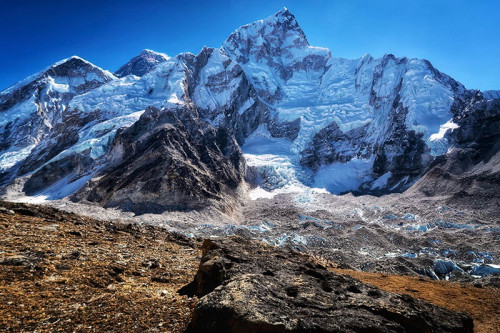
Mount Everest — the highest peak on Earth — offers breathtaking beauty but extreme and unpredictable conditions. Whether you’re trekking to Everest Base Camp or preparing for the Mount Everest Expedition, understanding the mountain’s temperature, weather, and climate is crucial for safety and success. Below, we explore each key topic in detail to help you plan the perfect Himalayan journey.
Table of Contents
Mount Everest Temperature
Mount Everest’s temperature depends heavily on altitude and season. The higher you go, the colder it gets—dropping nearly 0.6°C for every 100 meters climbed.
- At Everest Base Camp (5,364 m), daytime temperatures can reach +10°C, while nights may fall to -15°C.
- On the Everest Summit (8,848 m), temperatures average -36°C, plunging to -60°C in winter.
Even in summer, the summit rarely rises above -20°C. Wind chill makes it feel much colder, so climbers must use high-altitude insulated gear.
Everest Base Camp Weather
Everest Base Camp (EBC) experiences dry, cold winters and relatively mild, sunny springs and autumns.
- Spring (March–May): Clear skies, bright sunshine, and temperatures from -10°C to +10°C.
- Autumn (September–November): Stable weather with great visibility, ranging from -5°C to +5°C.
- Winter (December–February): Harsh and freezing; Base Camp can drop to -20°C.
Trekkers in spring and autumn enjoy comfortable days and crisp, star-filled nights—ideal for photography and hiking.
Everest Climate
The Everest region has a polar tundra climate, marked by low humidity, strong winds, and freezing temperatures most of the year. The climate is influenced by:
- Altitude: The higher elevations have extremely low oxygen and subzero temperatures.
- Jet streams: High-speed winds dominate above 8,000 m during winter.
- Seasonal monsoon: Brings moisture from the Bay of Bengal in summer, creating rain below 4,000 m and snow above 5,000 m.
Despite its cold reputation, the lower valleys like Lukla and Namche Bazaar can feel pleasant, with lush greenery in summer and clear skies in autumn.
Mount Everest Temperature in May
May is one of the most popular months for Everest climbers and trekkers. It’s the main climbing season before the monsoon arrives.
- Base Camp: Around 0°C to +10°C during the day, dropping to -10°C at night.
- Summit: Around -25°C to -30°C, with lower wind speeds (20–40 km/h).
This short “weather window” in May provides the calmest, most stable conditions of the year—perfect for summit pushes.
Everest Summit Temperature
The Everest summit remains below freezing all year.
- Average: Around -36°C annually.
- Coldest months: January–February, dropping to -60°C.
- Warmest period: May and October, when it rises to -20°C or -25°C.
At this altitude, oxygen is only about 33% of sea level, and combined with freezing temperatures, climbers face risks like frostbite and hypothermia. Specialized high-altitude gear, oxygen masks, and layered clothing are mandatory.
Mount Everest Expedition Weather
For those joining the Everest Expedition, understanding the weather patterns between Camps I–IV is vital.
| Camp | Altitude (m) | Temperature Range (°C) |
|---|---|---|
| Base Camp | 5,364 | -10°C to +10°C |
| Camp I | 6,065 | -15°C to -5°C |
| Camp II | 6,400 | -20°C to -10°C |
| Camp III | 7,200 | -25°C to -15°C |
| Camp IV | 8,000 | -30°C to -25°C |
The main challenge is the jet stream winds, which can blow over 160 km/h. Climbers wait for short weather windows in late April and May when winds calm and skies clear.
Best Time to Trek Everest Base Camp
The best seasons for trekking to Everest Base Camp are spring (March–May) and autumn (September–November).
- Spring: Warm days, blooming rhododendrons, and clear mornings.
- Autumn: Crisp air, stable temperatures, and crystal-clear mountain views.
Avoid: Summer (June–August) due to heavy monsoon rains, and Winter (December–February) due to extreme cold and icy trails.
Mount Everest Temperature by Month
| Month | Base Camp (°C) | Summit (°C) | Conditions |
|---|---|---|---|
| January | -17 / -20 | -60 | Coldest month, heavy winds |
| February | -15 / -18 | -55 | Dry and frigid |
| March | -10 / -12 | -45 | Trekking season starts |
| April | -5 / -10 | -35 | Stable, clear, warm days |
| May | 0 / -10 | -25 | Best for expeditions |
| June | +5 / -5 | -30 | Monsoon begins |
| July | +8 / 0 | -28 | Cloudy, wet conditions |
| August | +8 / 0 | -28 | Rainy, poor visibility |
| September | +5 / -5 | -30 | Clear after monsoon |
| October | 0 / -8 | -25 | Best trekking weather |
| November | -5 / -10 | -35 | Cold nights, clear days |
| December | -10 / -15 | -50 | Harsh winter winds |
Everest Region Climate
The broader Everest region (Khumbu Valley) ranges from lush sub-tropical forests at 2,800 m to icy glaciers above 5,000 m.
- Lower zone (Lukla–Namche): Mild, with temperatures between +5°C and +20°C in spring.
- Middle zone (Tengboche–Dingboche): Cool, dry air with rare rainfall.
- Upper zone (Lobuche–EBC): Arctic conditions and low oxygen levels.
This variety creates one of the most diverse mountain climates on Earth—lush greenery, rocky landscapes, and snowfields in one journey.
Mount Everest Weather Forecast
Modern expeditions rely heavily on satellite-based weather forecasts for summit planning. Meteorological experts provide:
- Wind speed at each camp level
- Snowfall and storm predictions
- Temperature variations and jet stream movement
Reliable forecasts are crucial for choosing safe summit windows. For trekkers, weather reports determine flight schedules to Lukla and visibility for scenic helicopter tours.
Conclusion
From the temperate valleys of Lukla to the icy winds at 8,848 meters, Mount Everest’s weather is both fascinating and formidable. Understanding its temperature, climate, and seasonal changes can make the difference between a safe, successful adventure and a dangerous miscalculation.
For the best experience, plan your Everest Base Camp Trek or Mount Everest Expedition with expert guidance from professional agencies like Actual Adventure Pvt. Ltd. — ensuring your journey to the world’s highest mountain is safe, well-timed, and unforgettable.
Highlight: Mount Everest temperature, Everest Base Camp weather, Everest climate, Mount Everest temperature in May, Everest summit temperature, Mount Everest expedition weather, best time to trek Everest Base Camp, Mount Everest temperature by month, Everest region climate, Mount Everest weather forecast.
Recent Posts

8th Feb, 2026

6th Feb, 2026