Table of contents Show
For most trekkers, the smartest choice is to rent a down sleeping bag in Kathmandu or Pokhara for about US$1–2.50 a day, rated to a comfort temperature of -10°C to -20°C depending on your route and season. This guide explains how to pick the right rating, what to pay, where to rent and how to check a bag before you hand over your deposit.
Why your sleeping bag matters in Nepal
Teahouse rooms in the mountains are not heated. In autumn, rooms in high villages typically sit between -2°C and 5°C at night, and the outside air at places like Lobuche or Thorong Phedi drops to -5°C to -10°C or lower. Lodges usually provide a blanket, but it is often thin, shared and not enough on its own above 3,500 m.
A warm night is not just about comfort. Good sleep helps your body acclimatise, keeps your energy up for long trail days and lowers your risk of getting run down at altitude. A properly rated sleeping bag is one of the most important pieces of kit you will use in Nepal.
Rent, buy or bring your own?
Renting is the best value for a one-off trek; buying makes sense only if you will trek several times, and bringing your own is best if you already own a good 4-season bag. A two-week rental costs roughly $14–35, while a comparable down bag costs $200–400 to buy abroad.
Option | Best for | Pros | Cons |
|---|---|---|---|
Rent in Nepal | First-time or occasional trekkers | Cheap ($1–2.50/day); no extra luggage on your flight; wide choice of ratings | Quality varies by shop; cash deposit needed; used by others before you |
Buy in Kathmandu | Trekkers planning more trips | Locally made down bags cost far less than abroad; yours to keep | Labels are often optimistic; bulk to carry home |
Bring your own | Trekkers who already own a 4-season bag | You know exactly how warm it is; hygienic | Heavy and bulky to fly with; counts toward the 15 kg Lukla flight limit either way |
Understanding temperature ratings
Always choose by the comfort rating, never the extreme rating. Most bags list several numbers, and the gap between them can be 10°C or more.
Rating | What it means | How to use it |
|---|---|---|
Comfort | The temperature at which an average person sleeps comfortably, relaxed | Match this to the coldest night of your trek |
Limit (lower limit) | The temperature at which you can sleep curled up without waking from cold | Fine as a back-up margin, not a target |
Extreme (survival) | The temperature at which you survive, cold and shivering | Ignore it when choosing a bag |
Rentals in Thamel are often hand-labelled "-20°C" or "-30°C" without a certified (ISO 23537 / EN 13537) test. A useful rule: treat a locally made bag's label as roughly 5–10°C warmer than it claims. A bag marked -20°C will often feel comfortable only to around -10°C. If you sleep cold, go one grade warmer than this guide suggests.
Which rating for which trek
The higher you sleep, the warmer your bag must be: aim for about 0°C comfort below 3,000 m, -10°C for mid-altitude treks and -15°C to -20°C for treks that sleep above 4,500 m. The ratings below are for spring and autumn; in winter (December–February), go about 5–10°C colder.
Trek | Highest point | Highest sleeping place | Recommended comfort rating (spring/autumn) |
|---|---|---|---|
Everest Three Passes | Kongma La, 5,535 m | Gorak Shep, 5,164 m | -15°C to -20°C |
Everest Base Camp | Kala Patthar, 5,545 m | Gorak Shep, 5,164 m | -15°C to -20°C |
Kanchenjunga Base Camp | North Base Camp, 5,143 m | Pangpema / Lhonak, ~4,800 m | -15°C to -20°C |
Gokyo Lakes & Gokyo Ri | Gokyo Ri, 5,357 m | Gokyo, 4,790 m | -15°C |
Annapurna Circuit | Thorong La, 5,416 m | Thorong Phedi / High Camp, 4,450–4,880 m | -15°C |
Manaslu Circuit | Larkya La, 5,106 m | Dharamsala, 4,460 m | -15°C |
Makalu Base Camp | Base camp, 4,870 m | Base camp, 4,870 m | -15°C |
Langtang Valley | Tserko Ri, 4,984 m | Kyanjin Gompa, 3,870 m | -10°C |
Gosainkunda | Lauribina Pass, 4,610 m | Gosainkunda, 4,380 m | -10°C |
Annapurna Base Camp | ABC, 4,130 m | ABC, 4,130 m | -10°C |
Upper Mustang | ~4,000 m passes | Lo Manthang, 3,840 m | -10°C |
Mardi Himal | Viewpoint, ~4,500 m | High Camp, 3,580 m | -5°C to -10°C |
Ghorepani Poon Hill | Poon Hill, 3,210 m | Ghorepani, 2,874 m | 0°C to -5°C, or a liner and blankets |
Altitudes are approximate and vary by source and itinerary.
Season-by-season guide
Winter needs the warmest bag; the monsoon needs the best moisture care. Use this table with the trek ratings above.
Season | Months | High-altitude nights | Sleeping bag advice |
|---|---|---|---|
Autumn | Late September–November | Around 0°C in villages above 3,000 m; -5°C to -12°C at high stops, colder late in November | The busiest season, so rent early. Use the ratings in the trek table |
Winter | December–February | Below freezing almost every night; Thorong Phedi can reach about -20°C | Rent the warmest grade (-20°C to -30°C labels) for high treks, plus a fleece liner |
Spring | March–May | Cold early in March, milder by May | Use the trek table; you may need one grade less in late April and May |
Monsoon | June–August | Milder, but damp | A -5°C to -10°C bag is usually enough; keep it in a waterproof bag and air it whenever the sun is out |
Temperatures here come from trekking-operator reports and vary year to year; check a recent forecast before you leave.
Down vs synthetic, and features to look for
Rent down for Nepal teahouse treks: it is warmer for its weight and packs smaller. Synthetic only makes sense for very wet monsoon trips or if you are allergic to down.
| Down | Synthetic |
|---|---|---|
Warmth for weight | Excellent | Fair; heavier for the same warmth |
Packed size | Small | Bulky |
When wet | Loses warmth until dried | Keeps some warmth when damp |
Typical rental price | Slightly higher | Slightly lower |
Best for | Most treks, especially above 4,000 m | Monsoon or low, damp routes |
Features that make a real difference:
- Mummy shape: tapers at the feet, so there is less air for your body to heat.
- Hood with drawcord: you lose a lot of heat through your head; the hood should cinch snugly around your face.
- Draft collar and zip baffle: insulated tubes around the neck and along the zip stop cold air leaking in.
- Full-length, two-way zip: easier to get in and out, and lets you vent your feet on warmer nights.
- Fill weight and fill power: for high treks look for roughly 800 g or more of down at 600+ fill power. Most shops can tell you this if you ask.
- Weight: 1.5–2.5 kg is normal for rental bags. Remember it goes in your duffel, which porters carry and which counts toward the 15 kg Lukla flight limit.
- Compression sack: ask for one; it saves a lot of space in your duffel.
Rental prices and deposits
Expect to pay US$1–2.50 a day in Kathmandu or Pokhara, plus a refundable cash deposit. Prices on the trail are about double.
Grade (as labelled in shops) | Typical comfort range | Price per day (Kathmandu / Pokhara) | 14-day trek cost |
|---|---|---|---|
Normal | -5°C to -10°C | about $1 (NPR 130–150) | about $14 |
Medium | -10°C to -15°C | about $1.50 (NPR 200) | about $21 |
High quality / expedition (water-resistant shell, fleece lining) | -15°C to -20°C and colder labels | $2–2.50 (NPR 270–350) | $28–35 |
Sleeping bag liner | Adds a few degrees | $0.50–1 | $7–14 |
Rental in Namche Bazaar | Limited choice | about $5 | — |
NPR figures are approximate and move with the exchange rate.
What to know before you pay:
- Deposit: usually a cash deposit of roughly $50–200, returned when you bring the bag back. Get a written receipt showing the deposit, daily rate and pick-up date.
- Do not leave your original passport as a deposit. A photocopy plus cash is normal.
- Day count: most shops charge from the day you collect to the day you return. Collect the day before your trek starts, not earlier.
- Bargaining: fixed-price shops will not move, but smaller shops will often lower the daily rate for rentals of 10 days or more.
- Damage and loss: ask what you will be charged for a torn shell, broken zip or lost bag before you sign.
Where to rent
Rent in Kathmandu (Thamel) or Pokhara (Lakeside) before you leave for the trailhead; choice is poor and prices are higher on the trail.
Place | Best for | What to expect |
|---|---|---|
Thamel, Kathmandu | All treks, especially Everest, Langtang, Manaslu, Kanchenjunga, Makalu and Mustang | Dozens of shops, the widest range of grades, easy to compare and return |
Lakeside, Pokhara | Annapurna Circuit, ABC, Poon Hill, Mardi Himal | Good range; convenient if your trek starts and ends in Pokhara |
Namche Bazaar | Emergency top-up on Everest treks | A few shops; limited choice at around $5 a day |
Lukla and other trailheads | Last-minute needs only | Very limited stock; do not rely on it |
Tips for choosing a shop:
- Visit two or three shops and compare the same grade side by side.
- Prefer shops that clean bags between rentals and store them uncompressed.
- Make sure the shop will be open on your return date, and note its phone number.
- For remote treks (Manaslu, Kanchenjunga, Makalu, Upper Mustang), rent in Kathmandu: the trailheads have little or nothing.
How to inspect a rental bag before you pay
Take five minutes in the shop to check the bag; it is far easier to swap it now than to discover a problem at 4,500 m.
- Unroll it fully and look for tears, burn holes or patches along the shell and seams.
- Smell it. A musty or mildew smell means it was packed damp. Reject it and ask for another.
- Check the loft. Shake the bag and let it rest for a minute. It should puff up evenly. Flat, thin areas mean the down has clumped or leaked.
- Feel for cold spots. Hold sections up to the light: bright patches show where there is little insulation.
- Test the zip from top to bottom and back, including the two-way slider. It should run smoothly without catching the fabric.
- Check the hood drawcord and draft collar work and cinch properly.
- Get inside it. Lie down and zip it up. You should have room to move your shoulders, but not so much empty space that you have to heat it.
- Ask for the real rating and whether the bag is down or synthetic. Then compare it with the trek table above.
- Note any existing damage on your receipt, or photograph it with the shop owner watching, so you are not charged for it later.
- Ask for a stuff or compression sack and a waterproof liner bag if they have one.
Liners, hygiene and staying warm at night
Bring or buy your own sleeping bag liner: it keeps a rented bag clean, adds a few degrees of warmth and costs only $15–20 to buy in Thamel.
Liner type | Warmth added | Best for |
|---|---|---|
Silk | Small (about 2–3°C) | Hygiene, light packing, warm lower nights |
Cotton | Small | Hygiene on a budget; heavier and slow to dry |
Fleece or thermal | Larger (about 5°C or more) | High treks, winter, or anyone who sleeps cold |
Warmth figures are typical manufacturer claims and vary by product.
How to sleep warmer in a teahouse:
- Eat a proper dinner and drink something hot before bed; your body needs fuel to make heat.
- Change into dry base layers, a warm hat and dry socks. Never sleep in the clothes you sweated in.
- Fill a water bottle with boiling water (ask the lodge), close it tightly and put it in the bag near your core or feet.
- Put the lodge blanket on top of your sleeping bag, not underneath it.
- Use the hood and draft collar; cinch them so only your face is open.
- Wear your down jacket inside the bag or lay it over your legs on the coldest nights.
- Go to the toilet before bed; your body wastes heat keeping a full bladder warm.
- Keep batteries, phone and water filter inside the bag so they do not freeze.
Caring for the bag on the trail and returning it
Keep the bag dry and lofted, and you will sleep warmer and get your full deposit back.
On the trail:
- Pack it inside a waterproof bag or bin liner within your duffel; porters' loads can get wet in rain or snow.
- Unpack it as soon as you reach the lodge so the down can loft before bedtime.
- On sunny mornings or rest days, air it in the sun for an hour, inside out, to dry the moisture from your body.
- Do not eat, drink or use stoves near it, and keep it away from heaters and fires.
- Do not sit or stand on it with boots on.
Returning it:
- Return it on the agreed date; late days are charged at the daily rate.
- Shake it out and air it the day before, so it does not come back damp.
- Return the stuff sack and any extras listed on your receipt.
- Check the bag with the shop staff, then collect your deposit and receipt before you leave.
How Nepal Trekking Trail helps with sleeping bag hire
When you trek with Nepal Trekking Trail, a product of Actual Adventure Pvt. Ltd., you do not have to sort out your sleeping bag alone.
- Quality hire, arranged for you: we help you hire a quality sleeping bag and down jacket rated for your route and season, and we stand behind the quality of the gear.
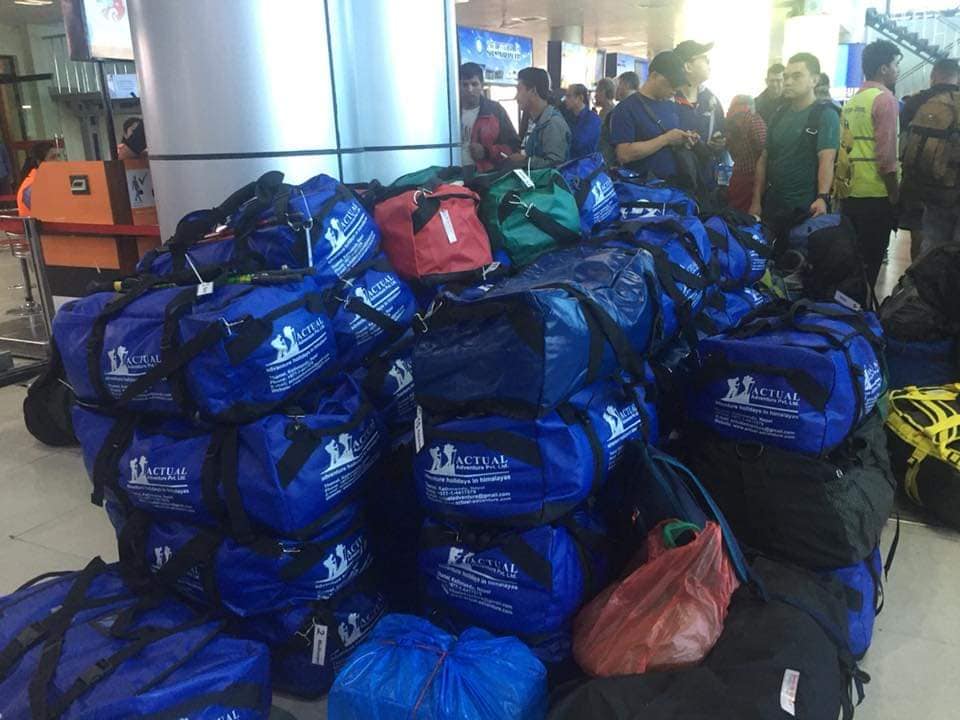
- Free duffel bag: every trekker receives a complimentary duffel bag for the porter to carry your sleeping bag and kit.
- Expert advice: our guides check that your bag suits the highest place you will sleep, and help you stay warm on the trail.
- Easy return: tell us before the trek if you need a bag, and we will help you collect and return it in Kathmandu.
Tell us your trek and dates when you book, and we will advise on the right bag.
Frequently asked questions
Do I really need a sleeping bag if teahouses give blankets? Below about 3,000 m, a liner plus the lodge blanket is often enough. Above that, and on every high trek, you need a proper sleeping bag. In peak season, blankets can also run out.
Is a -10°C bag enough for Everest Base Camp? It can work in spring or early autumn if it is a genuine, certified -10°C comfort bag and you sleep warm. Most trekkers are more comfortable with a -15°C to -20°C labelled rental, because local labels tend to be optimistic.
How much does it cost to rent a sleeping bag for a 12–14 day trek? About $12–35 in Kathmandu or Pokhara, depending on grade, plus a refundable deposit.
Are rental bags clean? Good shops clean bags between rentals, but standards vary. Use the smell test in the inspection checklist and always sleep in your own liner.
Can I rent a sleeping bag on the trail? Only in a few places, such as Namche Bazaar, with limited choice at about double the Kathmandu price. Rent before you leave the city.
Do I need a sleeping mat? No. Teahouses provide a bed with a mattress.
Can I buy instead of renting? Yes. Thamel shops sell locally made down bags far cheaper than abroad, which is good value if you plan more treks. Expect optimistic temperature labels.
What if I get cold even in my rented bag? Add a fleece liner, wear your down jacket inside, use a hot-water bottle and put the lodge blanket on top. Your guide can also help you swap to a warmer room or ask for an extra blanket.